May 13, 2026
Asia markets falter as hot US inflation, shaky Iran ceasefire weigh
MSCI Asia-Pacific index outside Japan falls 0.6% for second straight session, while South Korean shares drop as much as 3.2%, Japan’s Nikkei slips 0.2% and S&P 500 futures edge 0.1% lower
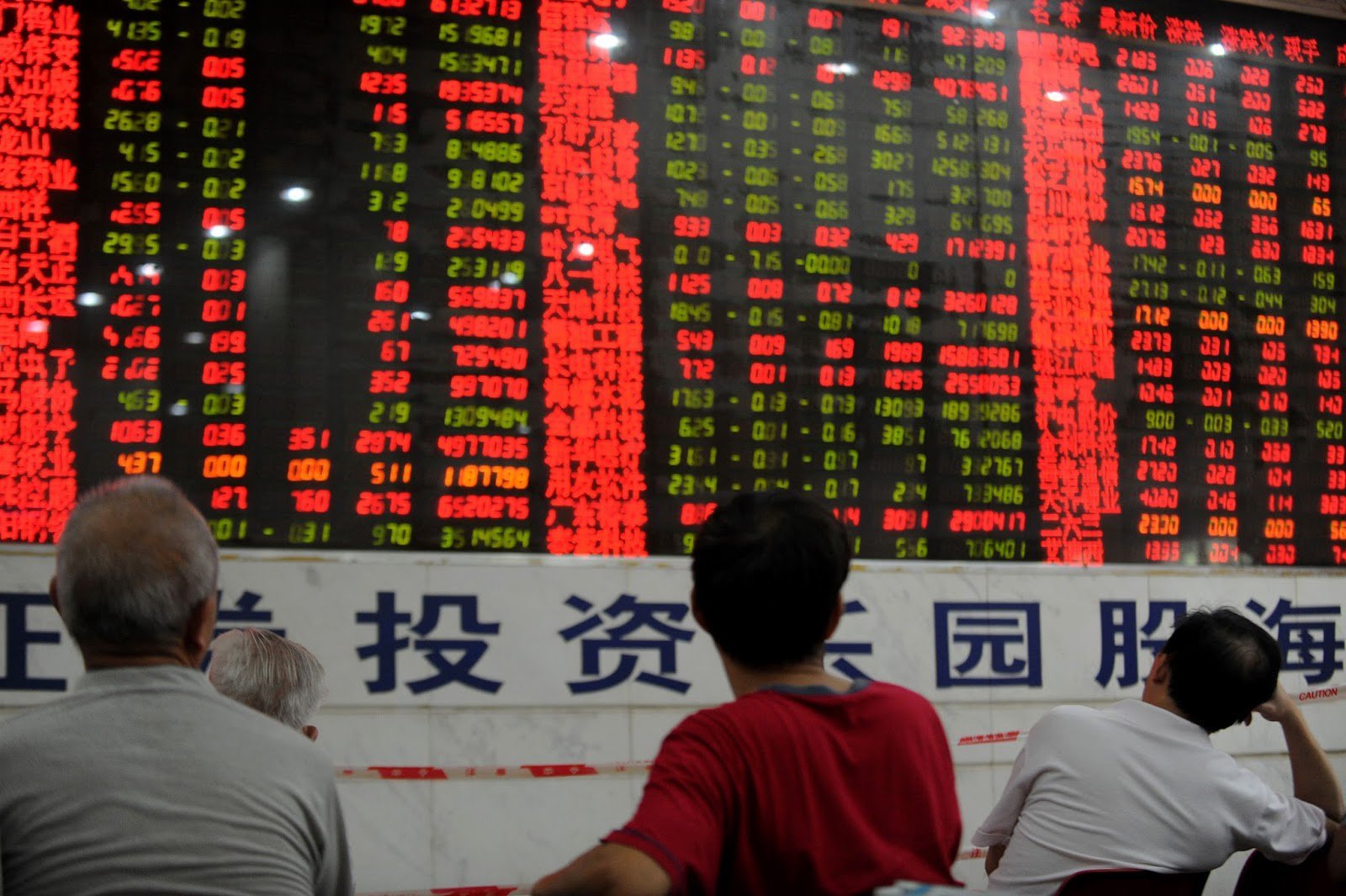
SINGAPORE: Stocks started the Asian session on the back foot on Wednesday, with talks between Washington and Tehran at a standstill as hotter-than-expected U.S. inflation underscored the growing economic toll of the Middle East conflict.
MSCI's broadest index of Asia-Pacific shares outside Japan slipped 0.6%, down for a second day as Korean shares fell as much as 3.2% before rebounding. The Korean market has been on a tear in recent weeks, breaching records regularly on an AI-led rally that some traders say was ripe for a pullback.
Japan's Nikkei 225 was down 0.2%, while S&P 500 e-mini futures nudged 0.1% lower.
"A hotter-than-expected inflation report and persistent geopolitical tensions reminded investors that sticky prices and elevated energy costs are not going away anytime soon," said Tony Sycamore, market analyst at IG in Sydney.
The conflict in the Middle East remained in a stalemate, as U.S. President Donald Trump said on Tuesday he does not think he will need China's help to end the war with Iran, ahead of his meeting with Chinese President Xi Jinping later this week.
"We’ve seen this movie before, and we know it doesn’t end with a breakthrough agreement that resets the U.S.-China relationship," said Phillip Wool, chief research officer and head of portfolio management at Rayliant Investment Research.
"That creates a pretty low bar for success: As long as Trump and Xi can get along and the trade détente continues, that should be enough to count this meeting as a win for both sides."
Brent crude slipped 0.6% to $107.13. Oil prices have held at or above $100 a barrel since late February, when U.S. and Israeli strikes on Iran and Tehran's effective closure of the Strait of Hormuz rattled supply.
In Seoul, Samsung Electronics shares plunged 5.7% after the electronics behemoth failed to reach a pay deal with its South Korean labour union on Wednesday, setting the stage for more than 50,000 workers to go ahead with a full strike that threatens to disrupt production of AI and other chips.
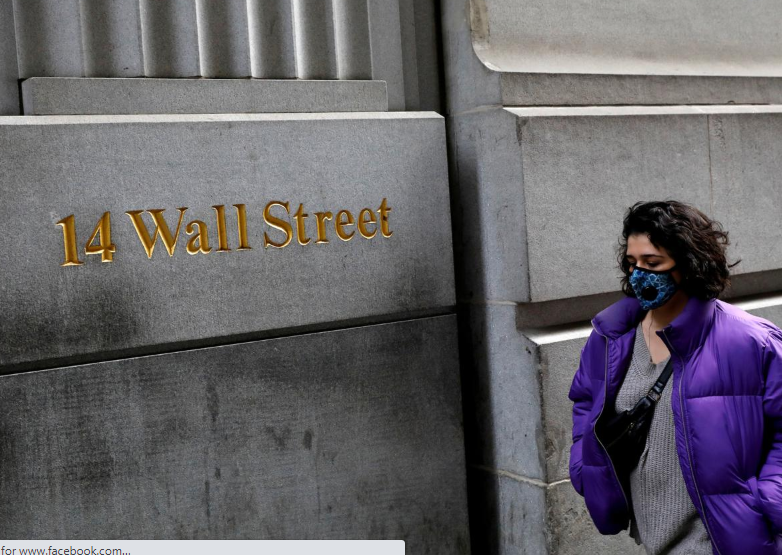
Stocks on Wall Street fell overnight, with the S&P 500 0.2% lower and the Nasdaq Composite down 0.7% after U.S. consumer inflation increased by the most in three years in April, raising the risk the Federal Reserve will be forced to raise rates earlier than expected.
Markets have largely priced out any chance of a rate cut from the Fed this year, while expectations for a hike of at least 25 basis points at the December meeting have risen to over 35% from below 22% earlier in the week, according to CME's FedWatch Tool.
The yield on the U.S. 10-year Treasury bond was unchanged at 4.469%, the highest level since July.
The U.S. dollar index , which measures the greenback's strength against a basket of six major peers, held steady at 98.322, marking its third consecutive day of gains.
Against the yen , the dollar traded 0.1% firmer at 157.77 after the Japanese currency briefly spiked Tuesday on "rate check" speculation, often seen as a precursor to intervention.
Markets are on edge for any action by Tokyo after sources said authorities had intervened in the past two weeks to arrest the yen's decline.
Elsewhere, gold was up 0.1% at $4,718.4805, while bitcoin was 0.2% lower at $80,508.37 and ether slid 0.4% to $2,275.36.
0 Comments
No comments yet. Be the first to join the discussion!