Petrol drops by Rs 4/litre, diesel by Rs 2/litre
Pakistan’s government reduced motor spirit by Rs 4/litre and high speed diesel by Rs 2/litre in the June 13, 2026 weekly revision, citing international prices and import parity. The change offers partial relief to consumers and transporters.

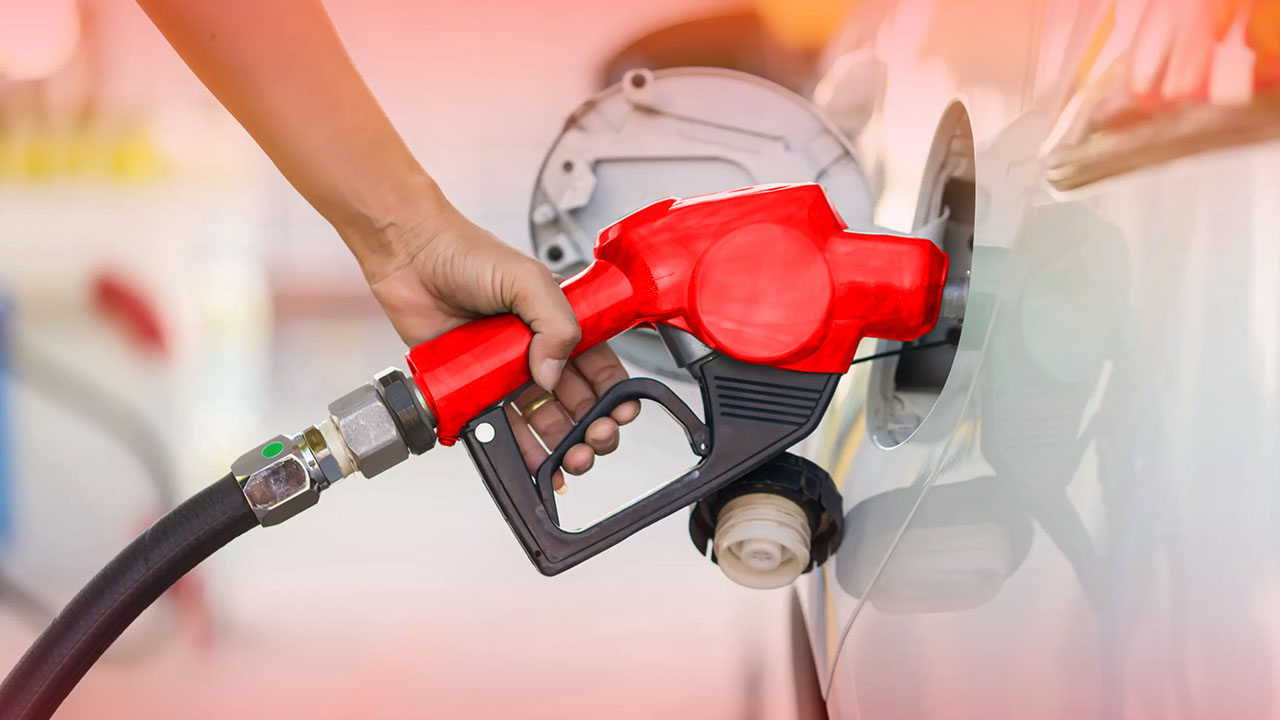
ISLAMABAD: The government has reduced petroleum product prices, cutting motor spirit by 4 rupees per litre and high speed diesel by 2 rupees per litre in the latest revision effective June 13, 2026.
According to an official notification, the price of motor spirit has been reduced by 4 rupees per litre. The new revised price has been set at 373 rupees and 78 paisa per litre compared to the earlier price of 377 rupees and 78 paisa per litre.
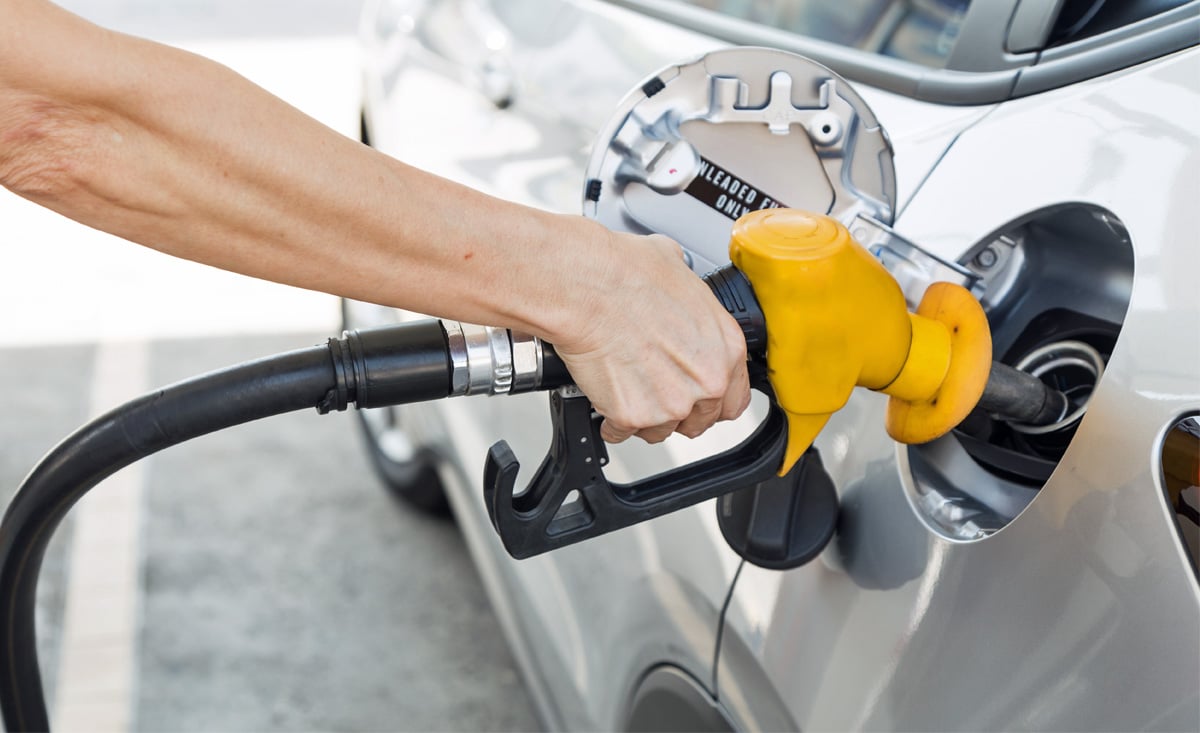
High speed diesel has also witnessed a decrease of 2 rupees per litre. The revised rate now stands at 378 rupees and 78 paisa per litre against the previous price of 380 rupees and 78 paisa per litre.
The revised prices will come into effect from June 13, 2026, as part of the government’s regular fortnightly review mechanism that adjusts petroleum rates in line with international market trends and domestic pricing dynamics.
The latest reduction is expected to provide partial relief to transporters, agriculture sector stakeholders, and general consumers who remain sensitive to fuel cost movements due to their direct impact on inflation and commodity prices.
Industry sources said the adjustment reflects recent changes in international oil prices and import parity calculations that influence domestic fuel pricing.
Petrol (motor spirit) is primarily used for private transport, motorcycles, small cars, and rickshaws, making it the most widely consumed refined fuel in urban mobility. Its demand is closely linked to household transportation needs, rising vehicle ownership, and commuting patterns in cities where public transport remains limited. Seasonal factors such as holidays, inflation-driven travel shifts, and changes in economic activity also influence petrol consumption trends, while price adjustments directly impact demand sensitivity among middle and lower-income users.
High-speed diesel (HSD), on the other hand, plays a more critical role in the country’s economic supply chain, as it is mainly used in heavy transport, freight movement, agriculture machinery, and public sector logistics. Trucks, buses, and tractors account for a significant portion of HSD consumption, making it directly tied to trade activity, crop harvesting cycles, and industrial production. Any fluctuation in HSD demand is often viewed as a broader indicator of economic momentum, as it reflects the movement of goods across the country and the pace of agricultural operations.

The author is an investigative journalist. He can be reached at [email protected].
View all articles →Comments
No comments yet. Be the first to join the discussion!