May 15, 2026
Govt. cuts petrol, diesel prices by Rs5/litre
Relief for consumers and transport sector as new rates take effect May 16, but high fuel costs continue to weigh on inflation and household budgets across Pakistan.

May 15, 2026
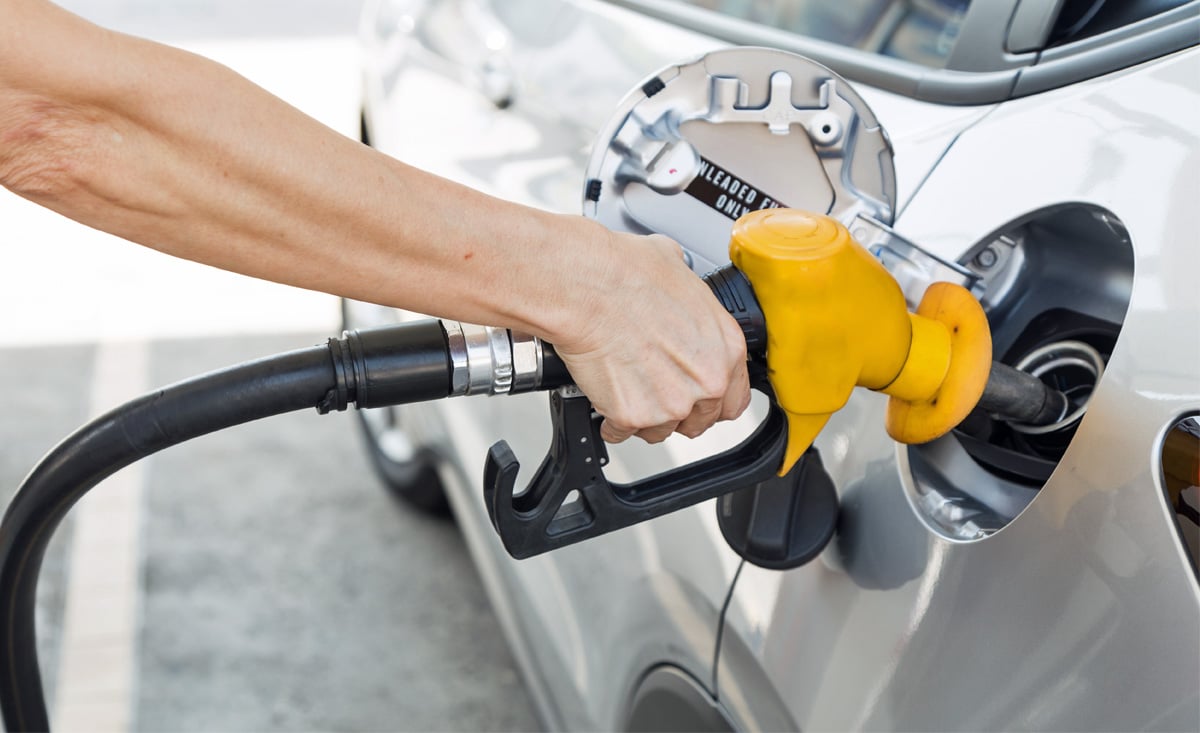
ISLAMABAD: In a much-awaited relief for inflation-hit consumers, the government on Friday reduced the prices of petrol and high-speed diesel (HSD) by Rs5 per litre each, offering some breathing space to transporters, commuters, farmers and industries battling persistently high fuel costs.
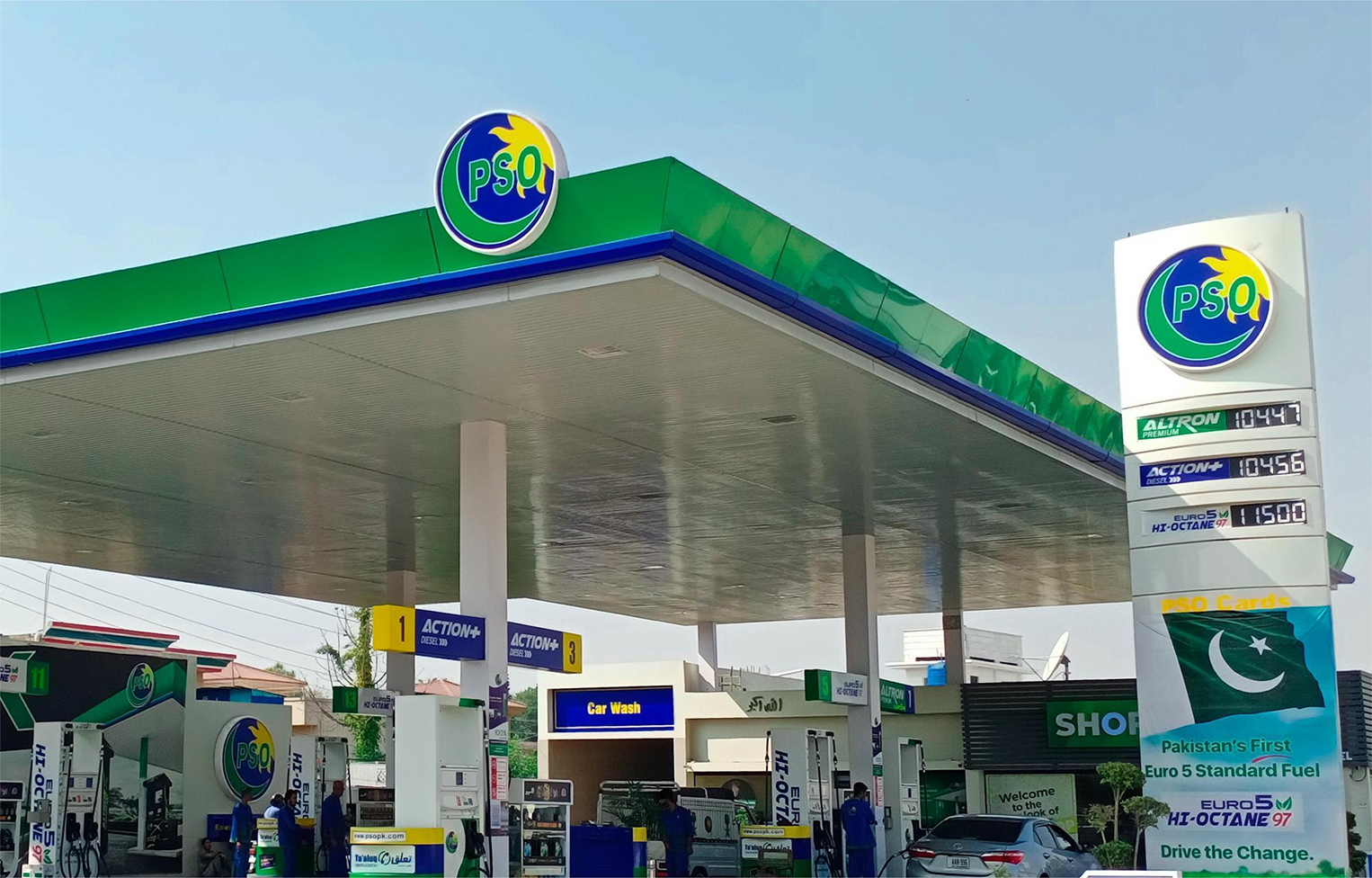
According to a notification issued by the Ministry of Energy (Petroleum Division), the price of petrol (Motor Spirit) has been reduced from Rs414.78 per litre to Rs409.78 per litre, while High-Speed Diesel (HSD) has been slashed from Rs414.58 per litre to Rs409.58 per litre with effect from May 16, 2026.
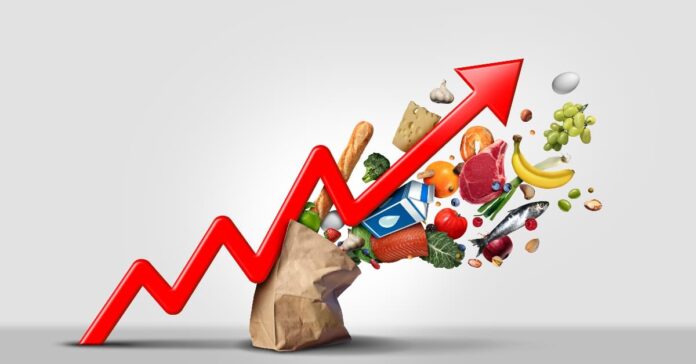
The reduction comes at a time when consumers across Pakistan have been struggling with elevated transportation expenses, high food prices and increased logistics costs that have pushed inflationary pressure across the economy.
The latest cut is expected to provide partial relief to motorcycle riders, car owners, ride-hailing users and public transport operators, though many consumers believe the impact on household expenses may remain limited unless transport fares and commodity prices also decline.
The government revises petroleum prices in line with fluctuations in the international oil market and exchange rate adjustments.
Transporters and consumers are now expecting corresponding reductions in fares of public transport, intercity buses and goods transportation charges following the decrease in fuel prices.
Industry sources believed lower diesel prices could slightly ease supply-chain costs because HSD is the primary fuel used in heavy transport vehicles carrying food items, vegetables and industrial goods across the country.
However, industry sources argued that despite the Rs5 per litre cut, petroleum prices in Pakistan remain historically high, continuing to burden middle and lower-income households already coping with expensive electricity and food.
Petrol, commonly known as Motor Spirit (MS), is the most widely consumed fuel for private transportation in Pakistan. It is mainly used in motorcycles, cars, rickshaws and small commercial vehicles.
Pakistan has one of the world’s largest motorcycle user bases, making petrol prices politically and economically sensitive. Even a small increase or decrease directly affects millions of daily commuters, salaried individuals and small businesses.
Ride-hailing services, delivery networks, private schooling transport and urban mobility systems are heavily dependent on petrol consumption. Therefore, changes in petrol prices often have an immediate psychological and financial impact on consumers.
High-Speed Diesel plays a far bigger role in Pakistan’s broader economy because it powers heavy transport vehicles, trucks, buses, trains and agricultural machinery.
The agriculture sector extensively uses diesel in tractors, tube wells, harvesters and water pumps, especially during harvesting and sowing seasons. As a result, changes in diesel prices directly influence food production costs and agricultural operations.
HSD is also critical for long-haul transportation of goods from ports to markets across the country. Any increase in diesel prices typically raises freight charges, eventually impacting prices of vegetables, flour, sugar, cement and other essential commodities.
Industries and backup power generators in several sectors also rely on diesel, making HSD prices a key component in overall economic activity and inflation trends. The current prices are only applicable for one week and are subject to review next Friday.
The author is a an investigative journalist at Profit. He can be reached at [email protected].
View all articles →0 Comments
No comments yet. Be the first to join the discussion!