May 15, 2026
IMF says Pakistan’s economic recovery remains on track but Middle East war poses risks
Fund says inflation stayed contained, reserves exceeded projections and current account remained broadly balanced amid continued reform implementation

May 15, 2026
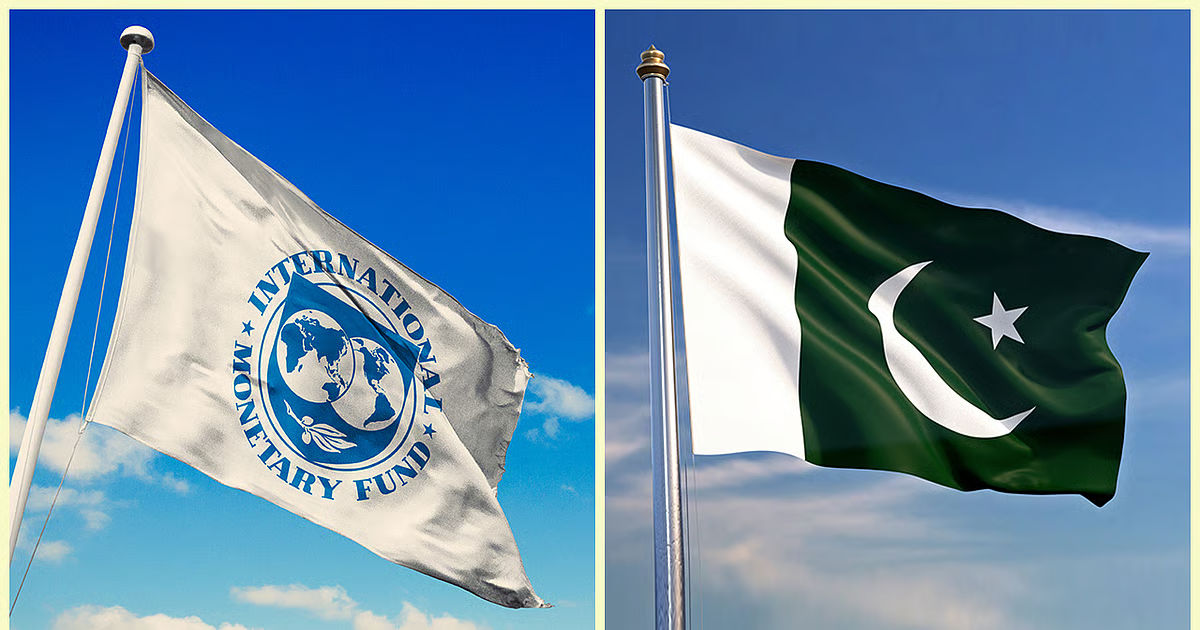
The International Monetary Fund (IMF) said Pakistan’s economic recovery remained on track due to continued policy implementation, although the ongoing conflict in the Middle East had increased risks to the country’s near-term economic outlook.
In its latest report, the IMF said GDP growth accelerated during the first half of FY26, inflation remained contained, the current account stayed broadly balanced and foreign exchange reserve accumulation exceeded earlier projections.
However, the Fund warned that the war in the Middle East had created uncertainty over Pakistan’s economic outlook and could place additional pressure on inflation, growth and the balance of payments.
According to the IMF’s baseline assessment, the overall impact of the conflict is expected to remain manageable, although downside risks remain elevated.
The Fund said Pakistan’s 37-month Extended Fund Facility programme, approved on September 25, 2024, continued to perform strongly.
According to the report, all seven quantitative performance criteria and six out of eight indicative targets for end-December had been achieved, while most structural benchmarks and continuous targets were also met.
The IMF said Pakistan’s authorities remained committed to fiscal consolidation and broader structural reforms aimed at strengthening economic stability and supporting sustainable growth.
The report noted that the government planned to continue broadening the tax base to create fiscal space for higher social and development spending while improving public financial management and spending efficiency.
The IMF also emphasised the importance of maintaining tight monetary policy to keep inflation expectations anchored amid volatile global commodity prices.
The Fund reiterated support for a flexible exchange rate regime to help absorb external shocks and support reserve accumulation.
It also stressed the need to maintain fuel and energy tariffs at cost-recovery levels to avoid fiscal pressures from subsidies while continuing targeted support for vulnerable consumers.
According to the report, Pakistan would also continue reforms linked to state-owned enterprises, privatisation, anti-corruption measures and economic governance reforms aimed at reducing regulatory distortions and improving long-term growth prospects.
The IMF added that reforms under the Resilience and Sustainability Facility would help reduce Pakistan’s exposure to climate-related economic shocks and support climate-focused investment initiatives.
Our monitoring team diligently searches the vast expanse of the web to carefully handpick and distill top-tier business and economic news stories and articles, presenting them to you in a concise and informative manner.
View all articles →0 Comments
No comments yet. Be the first to join the discussion!