May 15, 2026
SIFC says refinery tax distortion to be removed in FY27 budget
Sales tax changes under Brownfield Refinery Upgradation Policy expected after talks with FBR, Finance Ministry and Petroleum Division

May 15, 2026
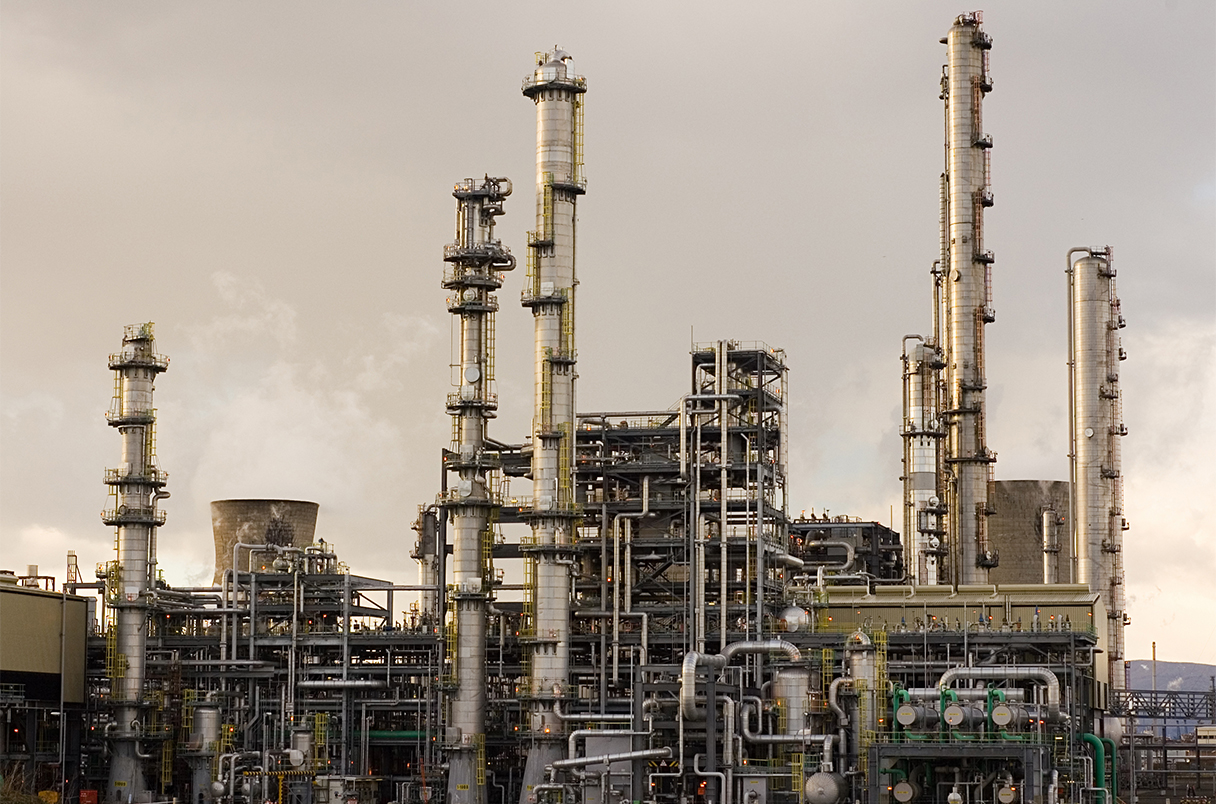
The Special Investment Facilitation Council (SIFC) said a major tax distortion affecting Pakistan’s oil refinery sector would be addressed in the upcoming FY2026-27 budget to support refinery upgradation and investment, Business Recorder reported.
The development was shared by Additional Secretary SIFC Sajid Mahmood Qazi during a question-and-answer session at the CFO Conference 2026 organised by the Institute of Chartered Accountants of Pakistan.
Qazi said the council had prepared proposals to resolve sales tax and operational issues linked to the Brownfield Refinery Upgradation Policy after changes in tax laws created difficulties for the refinery sector.
According to him, discussions with the Federal Board of Revenue, Ministry of Finance and Petroleum Division had led to an agreement to resolve the sales tax issue through the next federal budget. He said resolution of the issue would allow refineries to accelerate implementation of upgradation projects.
Qazi acknowledged that Pakistan remained a difficult destination for investment because of challenges including energy pricing and policy inconsistency.
He said investors required stable and predictable tax policies to support expansion, upgradation and long-term business planning.
According to the SIFC official, energy pricing continued to remain one of the major concerns for investors and businesses operating in Pakistan.
He also noted that several new initial public offerings had recently entered the market, which he said reflected improving investor confidence despite broader economic challenges.
Speaking during the conference, former minister of state Ashfaq Tola said Pakistan needed structural reforms and a locally designed economic strategy to attract investment instead of relying on external policy models.
He questioned the effectiveness of repeated IMF programmes, stating that Pakistan had entered 23 IMF programmes and was now preparing for another one without achieving significant structural reforms.
Tola also said successive governments had failed to effectively tax agriculture, retailers and exporters.
Economist Haroon Sharif said foreign investors were more likely to invest when local businesses expanded operations and increased domestic investment.
He added that geopolitical risks continued to negatively affect foreign investment flows into Pakistan.
Our monitoring team diligently searches the vast expanse of the web to carefully handpick and distill top-tier business and economic news stories and articles, presenting them to you in a concise and informative manner.
View all articles →0 Comments
No comments yet. Be the first to join the discussion!