May 18, 2026
Textile sector seeks tax cuts, lower energy tariffs and refund clearance in FY27 budget
Industry asks govt to discuss proposals with IMF, including restoration of export incentives, abolition of super tax and clearance of ₨327 billion pending refunds

May 18, 2026
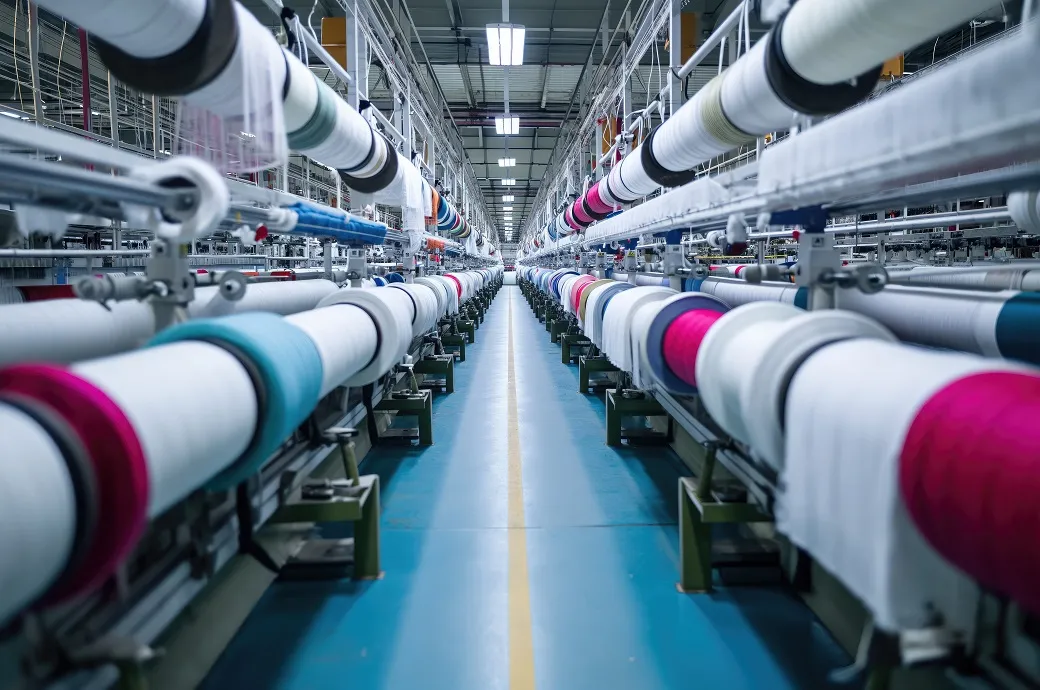
Pakistan’s textile industry has urged the government to introduce broad tax, energy and export policy reforms in the FY2026-27 budget, warning that rising costs and liquidity pressures are eroding the sector’s regional competitiveness.
According to sources, a joint delegation representing major textile bodies held two meetings with the government’s economic team, including the petroleum minister, to discuss budget proposals ahead of negotiations with the International Monetary Fund mission.
Government officials assured the industry that the proposals would be shared with the IMF for consideration, although no commitment was made regarding their inclusion in the budget.
In a joint submission by the All Pakistan Textile Mills Association, Pakistan Textile Exporters Association and Pakistan Hosiery Manufacturers and Exporters Association, the sector stated that exporters in Pakistan faced an effective tax burden exceeding 68%, compared to around 20% in Vietnam and 22% to 27% in Bangladesh.
The industry demanded restoration of the Final Tax Regime at 1% for exporters or an option to choose between the Final Tax Regime and Normal Tax Regime with reduced income tax rates.
It also called for abolition of super tax, minimum turnover tax and advance tax on exporters to improve liquidity and profitability.
According to the industry, more than ₨327 billion in refunds remained pending, locking up around 35% to 40% of exporters’ working capital.
The sector urged immediate payment of outstanding sales tax refunds, income tax refunds and duty drawbacks, some of which have remained unpaid for over a decade.
On sales tax reforms, the industry proposed reducing GST to 5% on raw materials and 10% on finished goods, while increasing the exporter refund threshold from 12% to 14%.
It also recommended that automated refunds should be processed within 72 hours to maintain stable cash flows.
Energy pricing remained another major concern raised during the meetings.
The textile sector stated that industrial electricity tariffs in Pakistan stood at around 11.5 cents per kWh compared to 6.3 cents in India and 8 cents in Vietnam.
The industry proposed a uniform electricity tariff of 8 cents per kWh, removal of peak-hour charges and elimination of surcharges.
It also sought reduction in gas tariffs to $7 per MMBtu and withdrawal of levies imposed on captive power generation.
The delegation further demanded restoration of export support schemes, including the Drawback of Local Taxes and Levies at 5%, the Technology Upgradation Fund and the Regional Competitiveness Enhancement of Textile programme.
Industry representatives said Pakistan was the only regional competitor to withdraw major export incentives without introducing alternatives.
The submission also called for restoration of the Export Facilitation Scheme to its original 2021 structure, revision of SME definitions to reflect inflation and extension of the export proceeds realisation period from 120 days to 180 days.
The textile bodies also highlighted tariff barriers on polyester staple fibre, stating that cumulative duties exceeding 20% were restricting Pakistan’s shift toward higher-value man-made fibre exports.
They recommended removal of anti-dumping duties and reduction in customs tariffs to support export diversification.
According to the industry, Pakistan lagged behind Bangladesh, India, Vietnam and China in taxation, energy pricing, export incentives and labour competitiveness.
Stakeholders urged the government to adopt a stable three-to-five-year policy framework to support long-term investment and export growth.
Our monitoring team diligently searches the vast expanse of the web to carefully handpick and distill top-tier business and economic news stories and articles, presenting them to you in a concise and informative manner.
View all articles →0 Comments
No comments yet. Be the first to join the discussion!