S&P warns Pakistan faces highest macro-financial risk from prolonged Middle East conflict
Report projects FY27 growth at 3.2% as rising oil prices, financing pressures, weaker remittances and external debt risks threaten economic stability
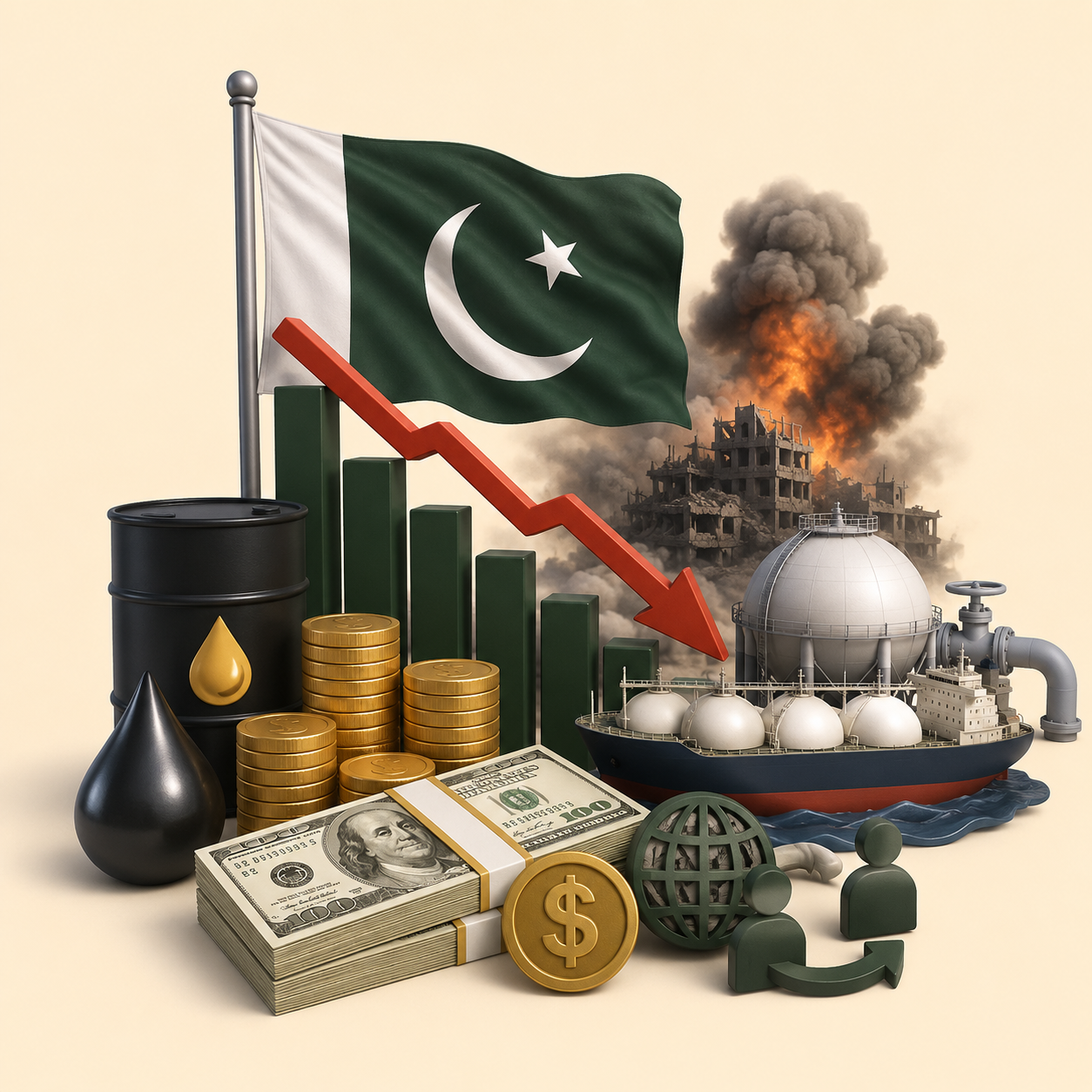
S&P Global Market Intelligence has identified Pakistan as the Asia-Pacific economy most vulnerable to macro-financial stress under a prolonged Middle East conflict scenario, citing the country’s dependence on Gulf energy imports, remittances and external financing.
In its latest assessment of major APAC economies, the agency projected Pakistan’s real GDP growth at 3.2% for FY2026-27, warning that risks remained tilted to the downside because of the ongoing conflict in the Middle East.
According to the report, Pakistan’s near-total reliance on Gulf crude oil supplies, dependence on remittances from Gulf Cooperation Council countries, large external financing requirements and limited fiscal space have increased the country’s exposure to regional instability.
Ahmad Mobeen, Principal Economist at S&P Global Market Intelligence, said higher energy prices were likely to reverse recent improvements in Pakistan’s current account position, increase pressure on the rupee and keep inflation elevated.
He stated that while initial policy measures had temporarily reduced the impact of supply shocks on households and businesses, policymakers now faced difficult trade-offs between maintaining economic stability, supporting growth and continuing fiscal consolidation under existing IMF programmes without additional bilateral and multilateral financing support.
The report warned that higher energy prices, supply chain disruptions and trade route constraints would weigh on manufacturing activity and export growth while increasing imported input costs.
It also highlighted risks of fertiliser shortages and slower remittance growth, both of which could affect agricultural output and farmers’ incomes.
According to the assessment, second-round inflationary effects from rising energy prices could weaken private consumption and pressure the services sector, particularly transport and retail businesses.
S&P Global Market Intelligence also warned that Pakistan’s external financing position remained vulnerable despite some recent improvement in reserves supported by a new Saudi deposit, expected rollovers and continued IMF-linked bilateral and multilateral financing.
The report noted that Pakistan’s recent repayment of $3.5 billion to the United Arab Emirates reflected the scale of upcoming debt obligations.
It projected Pakistan’s gross external financing needs at an average of around $24 billion annually during 2026-2030.

Our monitoring team diligently searches the vast expanse of the web to carefully handpick and distill top-tier business and economic news stories and articles, presenting them to you in a concise and informative manner.
View all articles →Comments
No comments yet. Be the first to join the discussion!