Construction and real estate sectors get a lifeline in the proposed budget
Both sectors have been suffering in recent years and the new proposals could reverse the downturn
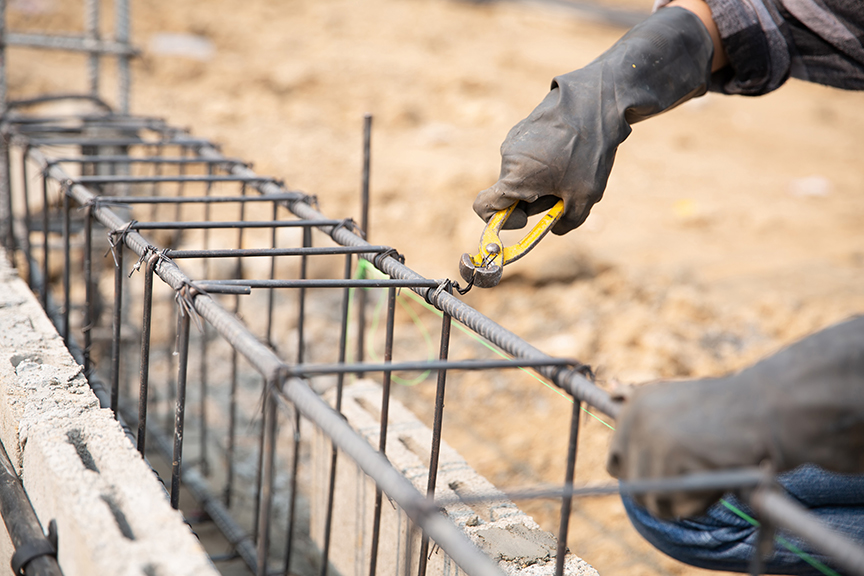
The last few budgets have been detrimental to the construction industry. Ever since the last amnesty scheme was announced in 2020 by the then-Prime Minister Imran Khan, there has been a downturn in the construction sector. With new taxes being put into place and the economy hitting a slump, the liquidity in the sector all but dried up. There is a new drive that is looking to turn the decline around.
The budget has proposed different policies and reforms which will look to provide targeted relief to the real estate and the construction sector. The reforms will restructure and lower property transaction taxes for active filers which will boost market activity and bring the sector into compliance with the tax codes. The aim of the measures is to make investment more affordable and tax-compliant.
There is a traditional thinking in the country that the construction and real estate sector provides employment and industrial development of the country as construction has many other segments of the economy attached to it.
The linkage to different industries:
Cement
Steel
Glass
Timber
Paints
Tiles
Hardware
Cable
The new tax regime looks to revise the tax rates as follows:
Old withholding tax applicable on buyer: 2.5%
New withholding tax applicable on buyer: 1.25%
Old withholding tax applicable to seller: 5.5%
New withholding tax applicable to seller: 2.75%
This measure also looks to eliminate the deemed income tax that was seen on immovable properties which was seen to be controversial in the past. Section 7E of the Finance Bill 2026 has been eliminated which previously used to tax unused or secondary immovable properties based on 5% deemed income. This was declared unconstitutional by the Federal Constitutional Court recently.
The Capital Value Tax on Foreign Assets has also been removed for properties held abroad. This was tax collected on properties that had been declared in foreign tax returns which is being proposed to be abolished. The aim is to encourage declaration of foreign wealth and to increase compliance. There is also a revision in how capital gains tax is calculated on property inherited by an individual. The cost of the property will now be equated to the fair market value of the asset when the death of the original owner took place. This reduces the tax expense collected from the inheritor based on historical valuations.
The theme of the new proposed budget is compliance and enforcement. In line with this, the budget is looking to increase tax compliance and generate additional revenues from the construction sector while reducing the burden on the tax payers who were being compliant.
The measures of the past seem to keep looping themselves into a downward spiral. First, an amnesty scheme would be carried out which was beneficial for the sector as investment was coming into the sector, however, the benefit in tax collection was underwhelming to say the least. In order to make up for the taxes, the government would increase taxes which would lead to another slump in the market. This would need another amnesty to kickstart the sector again.
The new approach is looking to stimulate the sector with small steps to start with hoping investors would bring in investment with these steps.

Zain is a business journalist at Profit, and can be reached at [email protected]
View all articles →Comments
No comments yet. Be the first to join the discussion!