Oil shocks, debt repayments, revenue shortfalls, SOE losses and natural disasters threaten FY27 budget, govt warns
Ministry of Finance’s fiscal risk statement assesses pressures from macroeconomic conditions, revenue collection, debt, state-owned enterprises, climate change, natural disasters and commodity financing

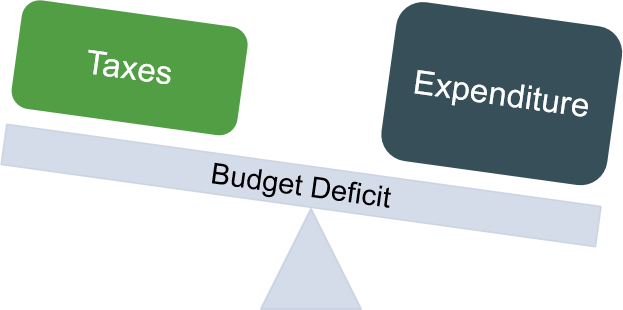
The rising global oil prices, slower economic growth, revenue shortfalls, increasing debt-servicing obligations, losses at state-owned enterprises and natural disasters are identified as key risks to Pakistan’s fiscal outlook for FY2026-27, according to a fiscal risk statement submitted to Parliament by Finance Minister Muhammad Aurangzeb and Finance Secretary Imdad Ullah Bosal.
The document, submitted under the Public Finance Management Act, 2019, assesses potential pressures under seven categories: macroeconomic conditions, revenue collection, debt, state-owned enterprises, climate change, natural disasters and commodity financing.
It also sets out measures aimed at maintaining fiscal discipline and limiting the impact on public finances if any of the identified risks materialise.
Oil price risk
The Finance Ministry said higher international oil prices, particularly amid the conflict in the Middle East, could reduce petroleum levy collections and increase the government’s subsidy requirements.
If the government does not pass the full rise in international prices on to domestic consumers, petroleum levy receipts could fall while additional subsidies may be required to protect low-income households.
A $40-per-barrel increase in global oil prices could widen the fiscal deficit by 0.8% of gross domestic product in FY27.
Finance Minister Muhammad Aurangzeb said a significant portion of more than Rs1.035 trillion in special grants obtained from the provinces had been set aside to manage the second- and third-round effects of the regional conflict.
Growth and inflation pressures
A slowdown in economic activity could weaken tax collections and increase demand for social protection.
The ministry estimated that a one-percentage-point decline in real GDP growth could widen the fiscal deficit by around 0.2% of GDP.
Under such a scenario, higher inflation and exchange-rate depreciation could place further pressure on government finances.
Revenue shortfalls
The government warned that revenue collection remained vulnerable to slower economic activity, weak tax responsiveness, lower non-tax receipts and continuing difficulties in narrowing the tax gap.
If tax revenue growth falls 10% below the budgeted target, the resulting shortfall could widen the deficit by 0.7% of GDP.
A 30% decline in the State Bank of Pakistan’s surplus profit could add another 0.3% of GDP to the deficit.
Similarly, a 20% shortfall in petroleum levy collections could increase the deficit by 0.2% of GDP.
Tax exemptions and concessions remain another structural risk. An expansion in tax expenditures could widen the fiscal deficit by as much as 1.3% of GDP.
Debt-servicing costs
The fiscal outlook is also exposed to changes in domestic and external interest rates, exchange-rate movements and refinancing requirements.
A 200-basis-point increase in domestic interest rates, combined with a 100-basis-point rise in external rates, could raise interest payments and widen the deficit by 0.4% of GDP.
Greater dependence on short-term borrowing and higher refinancing pressures could increase the deficit by up to 0.8% of GDP.
State-owned enterprises
State-owned enterprises pose fiscal risks through lower dividend payments and additional demands for government support.
A 6% shortfall in dividends from state-owned entities could widen the deficit by 0.02% of GDP.
If financial support for these entities reaches 1.5% of GDP, the net impact on the fiscal deficit could amount to 0.4% of GDP.
Climate and natural disasters
Under a climate-mitigation pathway aligned with the Representative Concentration Pathway 2.6 scenario, additional spending on adaptation and green infrastructure could widen the deficit by 0.2% of GDP.
Under the high-emission Representative Concentration Pathway 8.5 scenario, the immediate impact for FY27 is estimated at 0.01% of GDP, although the ministry warned that the fiscal cost could rise over time as climate-related shocks become more frequent.
Natural disasters represent one of the largest identified risks.
Without dedicated disaster-risk financing arrangements, an average disaster could widen the fiscal deficit by as much as 1.5% of GDP.
Commodity financing guarantees
Government guarantees issued for commodity financing operations also pose potential fiscal liabilities.
Assuming a 25% probability that such guarantees are called, the fiscal deficit could increase by around 0.1% of GDP.
The Finance Ministry said the proposed mitigation measures were intended to improve fiscal risk management and strengthen the government’s ability to absorb economic, financial and climate-related shocks.

Our monitoring team diligently searches the vast expanse of the web to carefully handpick and distill top-tier business and economic news stories and articles, presenting them to you in a concise and informative manner.
View all articles →Comments
No comments yet. Be the first to join the discussion!