Govt unveils second phase of tariff cuts, reduces used vehicle import duty, removes age limit, foregoes Rs143bn in revenue
Average tariff to fall from 16.56% to 13% in FY2026-27 under IMF-backed reforms
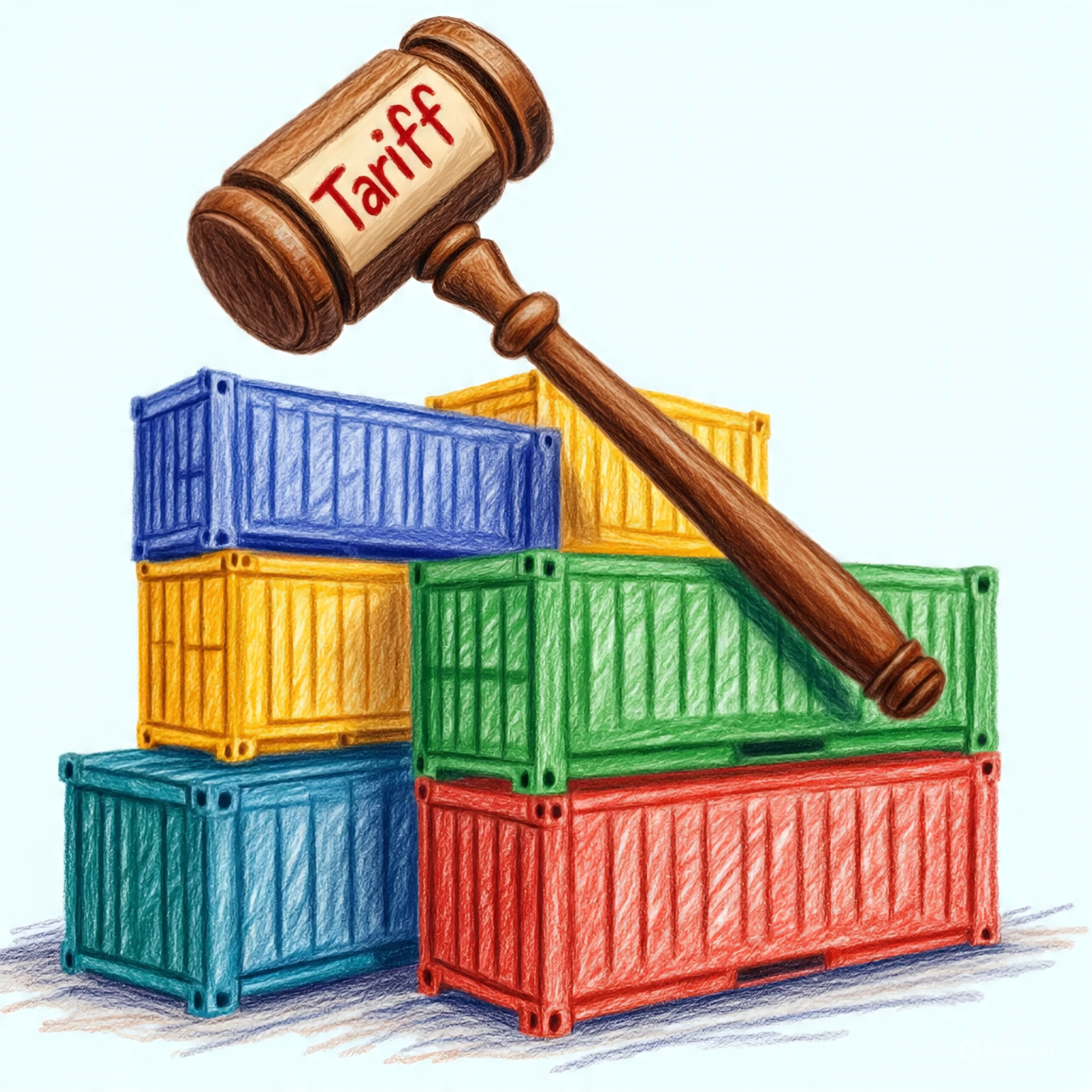
The federal government on Tuesday unveiled the second phase of its tariff rationalisation programme, proposing broad reductions in customs duties and regulatory levies that are expected to cost the national exchequer Rs143.4 billion in revenue during FY2026-27.
Under the second phase of reforms, the average tariff rate is projected to decline from 16.56% to 13% during FY2026-27.
While the maximum customs duty rate will remain unchanged at 50%, the government plans substantial reductions in Additional Customs Duties (ACD) and Regulatory Duties (RD) across many tariff lines.
The ACD structure will be streamlined through a phased reduction of rates. Existing duties of 6% will be reduced to 4%, 4% duties will fall to 2%, while 2% duties will be eliminated, subject to limited exceptions.
Similarly, all regulatory duties above 20% will be capped at 20%. Regulatory duties of 20% or below will be reduced by 20%, while lower slabs of one, two, and 2.5% will largely be abolished except in sectors considered important for exports or domestic manufacturing.
The measures were presented to the Senate Standing Committee on Finance and Revenue, chaired by Senator Saleem Mandviwalla, as part of the government's wider strategy to lower trade barriers, improve industrial competitiveness, and gradually open the economy to greater import competition.
Officials informed the committee that the reforms form part of the National Tariff Policy 2025-2030 and are aligned with commitments made under Pakistan's programme with the International Monetary Fund (IMF).
Briefing the committee, the Secretary of Commerce said the policy aims to simplify Pakistan's tariff structure, reduce the cost of industrial inputs and create a more competitive business environment to support exports, investment and long-term economic growth.
According to officials, the changes are intended to reduce anti-export bias, lower production costs and make Pakistan's tariff regime more transparent and predictable.
The committee was also informed of changes to the policy governing commercial imports of used vehicles.
The additional 40% regulatory duty currently imposed on imported used vehicles will be reduced to 30%. In addition, the existing five-year age restriction on commercial imports of used vehicles will be removed.
Officials said imported vehicles would still be required to comply with prescribed quality, safety, and environmental standards.
The automobile sector reforms were described as one of the most significant elements of the latest tariff package, reflecting the government's intention to gradually liberalise the market while maintaining regulatory oversight.

Our monitoring team diligently searches the vast expanse of the web to carefully handpick and distill top-tier business and economic news stories and articles, presenting them to you in a concise and informative manner.
View all articles →Comments
No comments yet. Be the first to join the discussion!