Tariff Policy Board approves second-year tariff cuts under National Tariff Policy
Maximum customs duty capped at 50%, additional customs duty cut to 4%, regulatory duty ceiling set at 20% before elimination by 2030
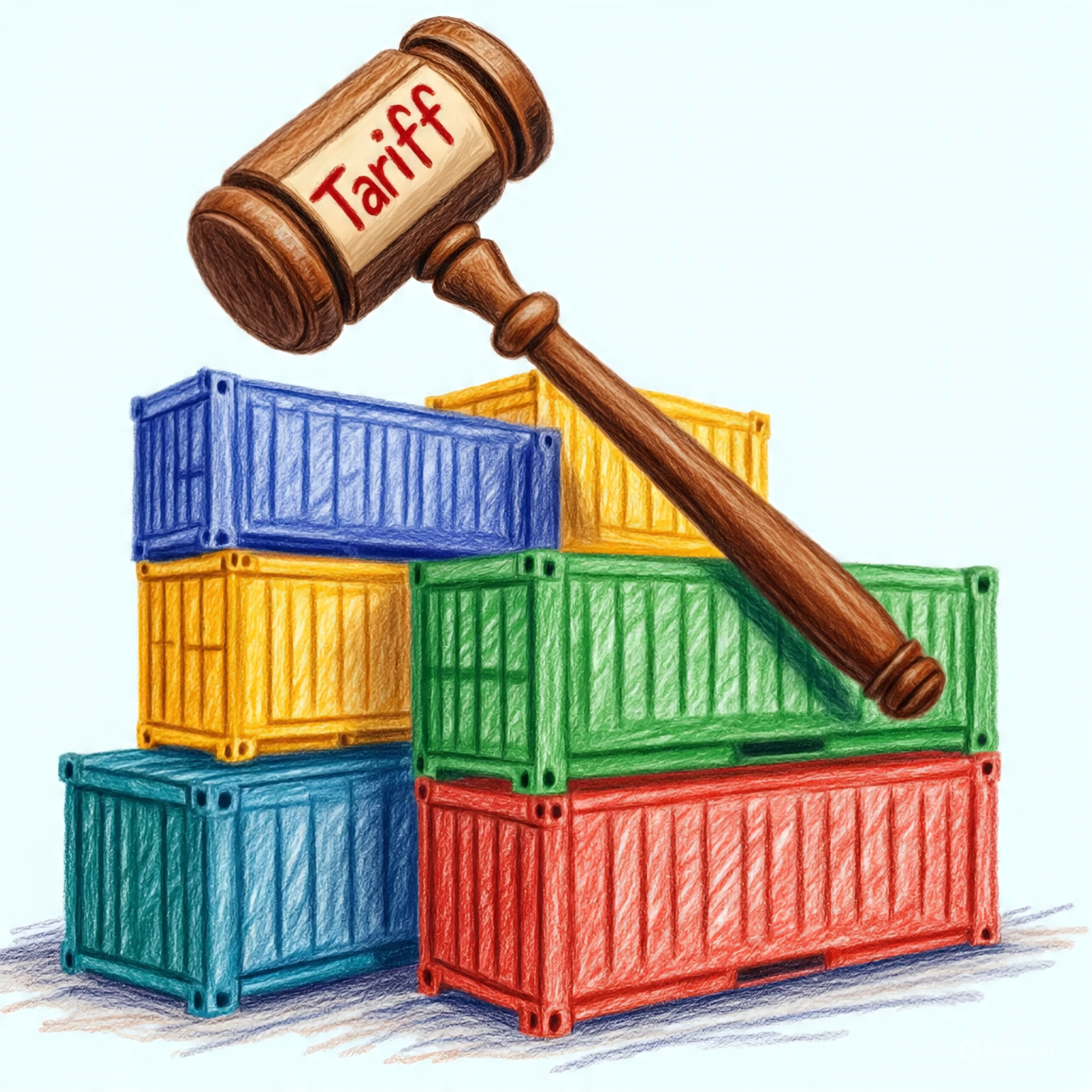
The Tariff Policy Board has reportedly approved the second-year tariff rationalisation plan under National Tariff Policy 2025-30, including revised regulatory duty rates of 1%, 2% and 2.5%, with the changes scheduled to take effect from July 1, 2026, Business Recorder reported, citing sources in the Ministry of Commerce.
The board finalised its recommendations on June 6, 2026, after Prime Minister Shehbaz Sharif approved the proposals on June 4. The recommendations were subsequently sent to the Federal Board of Revenue for implementation during fiscal year 2026-27.
Under the second-year targets of the National Tariff Policy, the maximum customs duty rate will be capped at 50%. Customs duty rates currently exceeding 50% will therefore be adjusted within the 20% to 50% range.
The maximum additional customs duty rate will be reduced to 4% during the second year of the policy.
To meet this target, additional customs duty rates may be reduced from 6% to 4%, from 4% to 2% and from 2% to zero.
National Tariff Policy also requires the elimination of regulatory duties by 2030, while the maximum regulatory duty rate during its second year has been set at 20%.
The National Tariff Commission Chairman presented an alternative proposal for implementing the second-year targets.
The commission agreed with most of the recommendations presented by the Ministry of Commerce but proposed changes concerning the 2% additional customs duty on edible oils, regulatory duties of 1%, 2% and 2.5%, and tariff rationalisation for the automobile sector.
The commission recommended removing the existing 2% additional customs duty on edible oils to provide relief to consumers and address food inflation. The estimated revenue loss resulting from the proposed withdrawal of the duty would be around Rs26 billion.
For goods carrying regulatory duties of 1%, 2% and 2.5%, the commission proposed linking the reduction to domestic manufacturing and export activity.
Where goods are either manufactured locally or exported from Pakistan, existing regulatory duty rates would be reduced by 20%.
Where goods are neither manufactured domestically nor exported, the regulatory duty would be removed, according to the proposed mechanism.
The existing 1% regulatory duty covers 105 tariff lines. Under the approved approach, the duty on 34 tariff lines would be reduced to zero, while the rate on the remaining 71 tariff lines would fall from 1% to 0.8%.
The 2% regulatory duty applies to three tariff lines. The rate on one tariff line would be reduced to 1.6%, while regulatory duty on the remaining two tariff lines would be abolished.
A regulatory duty of 2.5% currently applies to 105 tariff lines. The duty on 41 tariff lines would be removed, while the rate on the remaining 64 tariff lines would decline from 2.5% to 2%.
Secretary Commerce informed the board that three separate proposals had been submitted by the Ministry of Commerce, Rubina Athar and National Tariff Commission. He asked the board to decide the tariff reduction path for the second year of National Tariff Policy 2025-30.

Our monitoring team diligently searches the vast expanse of the web to carefully handpick and distill top-tier business and economic news stories and articles, presenting them to you in a concise and informative manner.
View all articles →Comments
No comments yet. Be the first to join the discussion!