Pakistan ranked 14th most water-stressed country as agriculture faces growing pressure
Research report says weak governance, poor implementation and inefficient farming practices have worsened climate-related risks
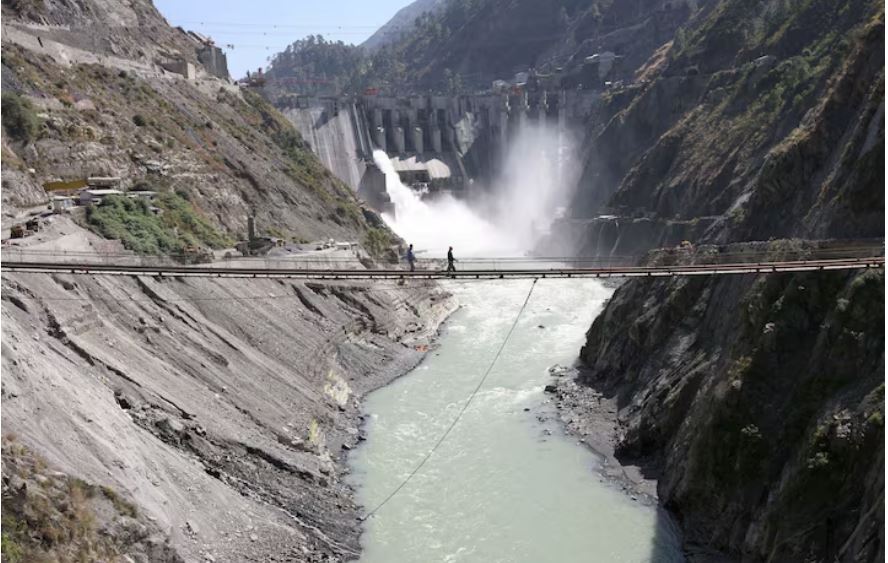
Pakistan has been ranked the 14th most water-stressed country in the world, with declining freshwater availability posing risks to agriculture, food security and economic stability, according to a new research report titled Sustainable Agriculture in Pakistan: Can Pakistan Meet Its Future Food Requirements?.
The report says climate change is not the only reason behind the country’s agricultural crisis. It argues that weak governance, policy failures and inefficient farming practices have increased the impact of floods, droughts and heatwaves on the agriculture sector.
Agriculture accounts for around 24 percent of Pakistan’s gross domestic product and employs more than 37 percent of the national workforce. The sector also supports the food and livelihood needs of a population of more than 240 million people.
The report says Pakistan’s renewable freshwater availability per person has fallen below 1,000 cubic metres, the threshold used to indicate severe water scarcity.
The pressure is higher because nearly 90 percent of the country’s agriculture depends on the Indus Basin irrigation system.
Rising temperatures, changing monsoon patterns, prolonged dry spells and repeated floods are reducing crop yields and increasing risks for farmers, the report says.
It also notes that changing weather patterns have contributed to higher pest attacks, adding to the financial burden on farmers.
The report identifies over-irrigation, continuous monocropping and heavy use of chemical fertilisers and pesticides as key practices damaging soil fertility and the wider environment.
Instead of calling for new laws, the report says Pakistan needs stronger implementation of existing frameworks, including the National Climate Change Policy, the National Food Security Policy, the Recharge Pakistan programme and the Green Taxonomy framework.
It recommends modernising irrigation infrastructure, restoring degraded land, expanding advisory services and introducing climate-smart financial facilities for farmers.
The report also calls for closer coordination among the government, academic institutions and the private sector, along with greater investment in agricultural extension services to provide farmers with improved technology and guidance.

Our monitoring team diligently searches the vast expanse of the web to carefully handpick and distill top-tier business and economic news stories and articles, presenting them to you in a concise and informative manner.
View all articles →Comments
No comments yet. Be the first to join the discussion!