
Asian shares fall as chipmakers retreat ahead of U.S. jobs data
MSCI Asia-Pacific index drops 0.8%, Nikkei loses 1.1% and Kospi sinks 2.7% as markets weigh rate hike risks and lower oil prices
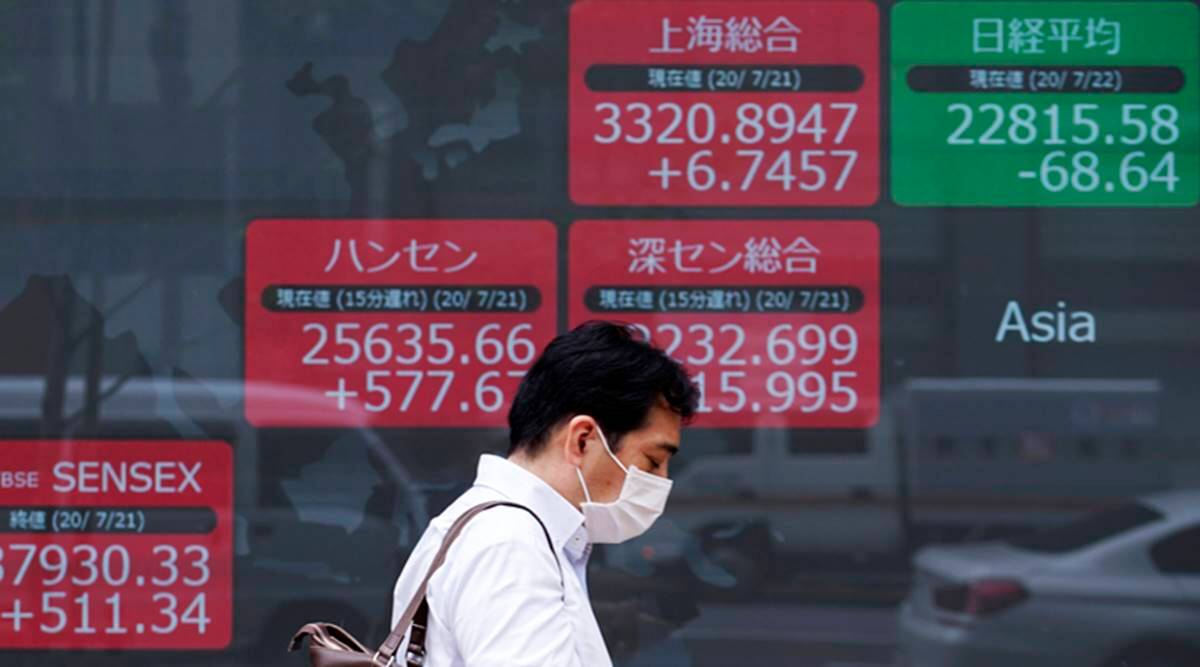
SYDNEY: Asian shares fell on Thursday as investors moved out of chipmakers after a strong second-quarter rally, while currency and bond markets awaited U.S. jobs data for signals on the Federal Reserve’s rate path.
MSCI’s broadest index of Asia-Pacific shares outside Japan dropped 0.8%, while Japan’s Nikkei fell 1.1%, extending losses from the first day of the quarter.
South Korea’s KOSPI declined 2.7%, after falling 2% on Wednesday. The index had surged 68% in the second quarter on strong artificial intelligence-related demand for memory chips.
SK Hynix fell 7.7%, while Samsung dropped 6.2%.
The decline followed a report that Meta Platforms is building a cloud business to sell excess AI computing capacity. Meta shares rose 8.8% overnight.
Hong Kong’s Hang Seng was the regional exception, gaining 1.8%.
Foreign investors sold Asian equities at the fastest pace in at least 16 years during the first half of 2026, as the AI-driven rally led them to reduce exposure to major winners in South Korea and Taiwan and look for cheaper markets.
Investors are now focused on U.S. non-farm payrolls data due on Thursday, ahead of the Independence Day holiday on Friday.
Economists polled by Reuters expect the U.S. economy to have added 110,000 jobs in June. Forecasts range from 25,000 to 200,000, leaving room for a market surprise. The unemployment rate is expected to remain at 4.3%.
Chris Weston, head of research at Pepperstone, said equity markets would prefer a balanced jobs report showing steady employment growth and a stable unemployment rate.
He said any outcome that avoids a sharp rise in expectations for near-term rate hikes would likely support equities.
At the Sintra Forum, Federal Reserve Chair Kevin Warsh said inflation risks had eased recently, but added that he would stick firmly to the 2% inflation target and disappoint anyone expecting loose monetary policy.
Markets are currently pricing in about an 80% chance of a Fed rate hike in September.
U.S. Treasury yields have climbed this week as traders prepared for the jobs report.
The two-year Treasury yield rose 1 basis point on Thursday to 4.1785%, taking its weekly increase to 9 basis points. The 10-year yield held at 4.4811% after rising 10 basis points this week.
Higher yields supported the U.S. dollar.
The euro was steady in Asian trading at $1.1379 after falling 0.4% overnight against the dollar. The decline came after European Central Bank President Christine Lagarde said inflation and growth risks were becoming more balanced.
The yen was little changed at 162.59 per dollar after touching a fresh 40-year low of 162.84 on Wednesday.
The yen’s decline has prompted fresh warnings of possible intervention from Tokyo. Japanese authorities spent nearly 12 trillion yen in April and May, but the impact of those interventions was short-lived.
Oil prices fell to fresh four-month lows, helping ease inflation concerns.
Brent crude slipped 0.8% to $71 a barrel after U.S. President Donald Trump said talks with Iran in Qatar had gone well, while more oil tankers moved through the Strait of Hormuz.
Gold recovered 0.5% to $4,050 an ounce after a weak quarter.

Reuters is a British news agency wholly owned by Thomson Reuters, a multinational information conglomerate. Its journalists operate across 200 locations in 165 countries and write in 16 languages, making it one of the largest news agencies in the world.
View all articles →Comments
No comments yet. Be the first to join the discussion!


