Dollar rises as renewed Middle East attacks and Hormuz closure lift rate hike bets
Brent crude gains more than 4% as higher energy prices revive inflation concerns ahead of US data and Kevin Warsh’s testimony

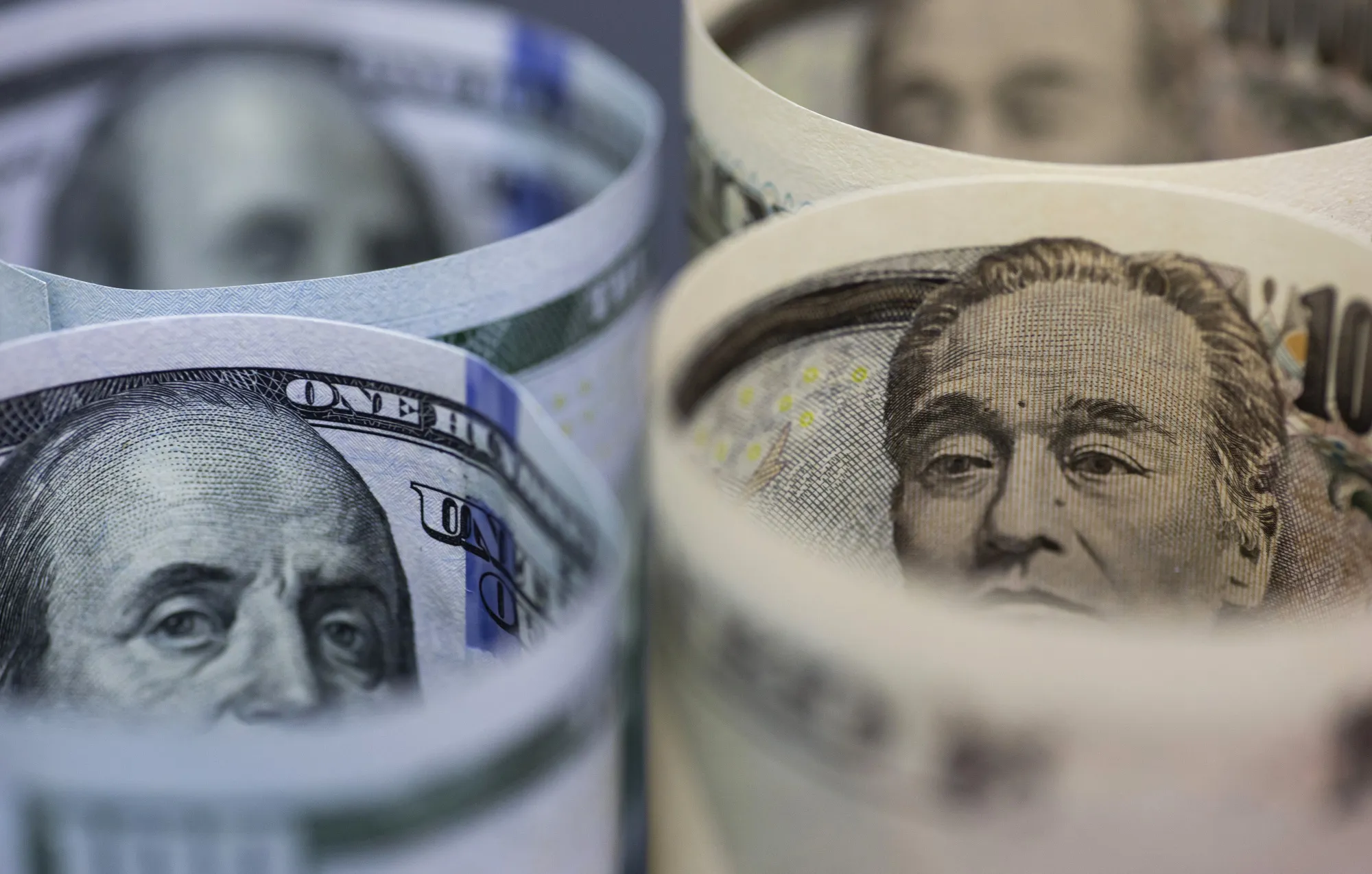
The US dollar strengthened against most major currencies on Monday after renewed fighting between the United States and Iran and Tehran’s claim that it had again closed the Strait of Hormuz pushed oil prices higher and revived inflation concerns.
The dollar rose 0.2% against the Japanese currency to 162.075 yen. The euro slipped 0.1% to $1.1397, while the British pound fell 0.2% to $1.3374.
The Australian dollar declined 0.3% to $0.6928, while the New Zealand dollar eased 0.1% to $0.5757.
US and Iranian forces exchanged missile and drone attacks over the weekend. Iran targeted US facilities across Gulf states on Sunday and said it had closed the Strait of Hormuz, a key route for global energy shipments.
Brent crude futures rose 4.1% to $79.11 per barrel in Asian trading, increasing expectations that higher energy costs could add to inflation and prompt central banks to raise interest rates sooner.
Fed funds futures showed a 50.9% probability of at least two rate increases by the US Federal Reserve’s December meeting, up from 47.6% on Friday, according to the CME Group’s FedWatch tool.
The US dollar index, which measures the currency against six major peers, rose 0.1% to 101.13 after earlier touching its highest level since July 8.
Tony Sycamore, market analyst at IG in Sydney, said the dollar’s rise was being driven by higher crude prices and concerns that a sustained increase in energy costs could bring forward interest rate increases.
Thomas Mathews, head of markets for Asia Pacific at Capital Economics in Wellington, said the dollar had already strengthened and markets had substantially repriced the Federal Reserve outlook, which could limit further gains even if the conflict worsened.
Investors are awaiting US consumer price data on Tuesday and producer price figures on Wednesday. Federal Reserve Chair Kevin Warsh is also due to testify before the House and Senate, which could provide further signals on the direction of monetary policy.
Separately, the Bank of Japan may raise its economic growth forecast for fiscal year 2026 and retain its focus on the risk of higher inflation as the weak yen and strong artificial intelligence-related demand offset some declines in oil prices, according to sources familiar with the central bank’s thinking.
In cryptocurrency markets, bitcoin fell 2.1% to $62,790.02, while ether declined 2.3% to $1,779.01.
Comments
No comments yet. Be the first to join the discussion!