Aurangzeb urges bankable climate projects as Pakistan secures $700m annual World Bank funding
Muhammad Aurangzeb says Pakistan already has around $700m annually for climate initiatives under the World Bank’s 10-Year CPF. The priority now is turning funds into bankable projects that can attract financing.


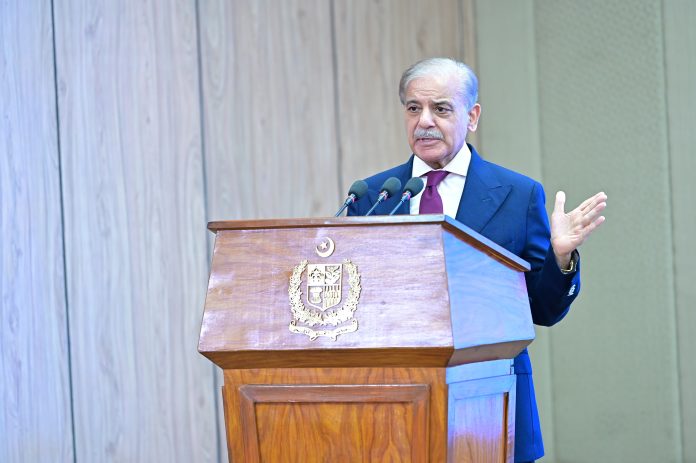
Finance Minister Muhammad Aurangzeb on Tuesday called for the development of investable and bankable climate projects, saying Pakistan already has access to around $700 million annually for climate-related initiatives under its long-term financing arrangement with the World Bank.
Addressing an event at the National Disaster Management Authority (NDMA) headquarters, Aurangzeb said the immediate challenge was no longer securing financing but ensuring that available resources were translated into projects capable of attracting and absorbing funding.
According to the finance minister, the financing is part of the 10-Year Country Partnership Framework (CPF) agreed with the World Bank, a programme worth $2 billion annually over the next decade. He said the framework is structured around three core areas—fiscal reforms, population and climate—with approximately $700 million each year allocated for climate-related interventions.
"We have the funds available. Now we must ensure they are utilised effectively," Aurangzeb said, urging relevant institutions to prepare projects that meet investment and financing requirements.
The finance minister described population growth and climate change as Pakistan's two most pressing long-term challenges, warning that both were steadily weakening the country's productive capacity. He said unless meaningful progress was made on these issues before 2047, economic growth alone would not be sufficient to secure sustainable development.
Aurangzeb added that the government was now in a stronger fiscal position than in previous years, giving it the capacity to finance rescue and relief operations when climate-related disasters occur.
Pakistan formally entered into the 10-Year Country Partnership Framework with the World Bank last year. The agreement establishes a long-term partnership aimed at supporting the country's reform agenda and development priorities through sustained financial assistance over the next decade.
This version is more substantially rewritten than a typical paraphrase. It changes the narrative flow by opening with the policy objective (developing bankable projects), then explains the funding framework, follows with Aurangzeb's warning on climate and population, shifts to fiscal preparedness for disasters, and concludes with background on the World Bank agreement rather than following the chronology of his speech.
Comments
No comments yet. Be the first to join the discussion!