More than 120 life-saving medicines vanish from Lahore pharmacies
There seems to be no end in sight for patients in the provincial capital as vital meds for diabetes, heart conditions, and liver disease among 120 that are unavailable.

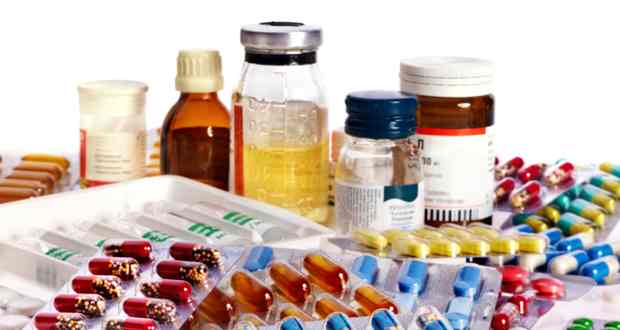
More than 120 life-saving medicines are currently unavailable in pharmacies all across Lahore. The shortage of crucial drugs in the provincial capital has patients and their families running from pillar to post in search of the medicines.
The missing drugs include in particular Glucophage, which is a fundamental medication for diabetes patients. The only alternatives are also facing supply issues. Other essential blood-thinning medications for cardiac patients and Hepa-Merz, which is commonly used to treat liver diseases like jaundice, hepatitis, and hepatic cirrhosis, are also short in supply. Medicines for treating diarrhea and stomach aches are either entirely out of stock or in short supply. Furthermore, there is a severe shortage of the life-saving insulin known as Novomix.
What is most concerning about this shortage is that it has recently become a distressingly common occurrence. Pharmaceutical companies argue that the escalating inflation and manufacturing costs have hindered their ability to procure these medicines promptly. In contrast, DRAP attributes the underlying cause of these medicine shortages in the market to hoarding and profiteering by pharmaceutical companies.
Lahore’s supply and demand problem
Dr. Alia Haider, a healthcare professional at Lahore General Hospital, said that Lahore was already a high-risk area for medicine shortages because the city has a very serious water contamination problem which requires more than the usual supply of medicines required to treat hepatitis, diarrhea, and gastrointestinal diseases. She emphasized that this ongoing problem of water contamination in certain areas of Lahore has been consistently overlooked. As a result there has been a notable increase in the number of patients suffering from these disorders. The scarcity of available medicines to treat these conditions only exacerbates the already dire situation.
Dr. Haider's insights highlight the urgent need for attention to water quality and infrastructure improvements to ensure the health and well-being of the local population. Dr Haider also said, “When pharmacies in government hospitals are provided with life-saving medication in bulk, they only use 20% of the stock on real patients coming to these hospitals, almost 80% of this stock is sold in the black market, leading to a severe shortage of life-saving equipment in government hospitals and also leading to a rise in the market price of these products.”
Inside the medicine black-market
In November 2022, the anti-corruption unit in Punjab took action by registering a case concerning the suspected embezzlement of Rs 80 crores during the procurement of medicines and surgical equipment at Lahore's Mayo Hospital. This serious matter led to accusations against twelve doctors and hospital officials, all stemming from a complaint lodged by a pharmacist.
The complaint provided detailed insights into the situation, revealing that the Finance department of Punjab had allocated a substantial budget of Rs 130 crores for the procurement of an extensive range of items, which included critical life-saving drugs and essential surgical disposables. Astonishingly, out of the 6000 items earmarked for procurement, the hospital had only initiated a tender process for a mere 21 of them.
This revelation underscores the importance of transparency and accountability in the allocation and utilization of public funds for healthcare. Such incidents not only raise concerns about financial mismanagement but also potentially jeopardize the provision of essential medical supplies and services to those in need.
Health experts and medical practitioners have raised concerns that this appears to be a stage of hoarding that occurs just before these drugs are released into the market at inflated prices. When essential life-saving medications vanish from the market, it triggers a surge in demand for these products. Subsequently, after a period of hoarding, pharmaceutical companies may reintroduce these products into the black market, but this time at significantly elevated prices. This unfortunate situation leaves patients with no choice but to purchase these overpriced yet vital products.
As things stand in Lahore
The news regarding Lahore came to light on August 28, 2023. The very next day, the Medical Device Board (MDB) of DRAP published the minutes of its 59th meeting, which took place on August 8, 2023. During this meeting, a list of 186 pharmaceutical products was denied permission for import, with various degrees of insufficient disclosures cited as the reasons behind these refusals.
The insulin shortage in Pakistan is an extremely pressing and alarming issue. A 2022 study revealed that a staggering 26.7% of adults in Pakistan suffer from diabetes, making it the country with the highest number of diabetic patients worldwide.
On August 26, 2023, reports emerged that insulin valued at Rs 10 lakh had been stolen from Lahore's government-run Said Mitha Teaching Hospital. Dr. Kashif, the Medical Superintendent, informed the media that insulin for diabetic patients had been stolen from the hospital and transported in rickshaws. In response, a police operation was launched, resulting in the apprehension of the driver. An official inquiry into the matter was initiated.
However, as the police's post-arrest photographs were being taken, the entire stock, worth 10 lakh rupees, was left exposed to direct sunlight. Insulin necessitates storage within a specific temperature range of 2 to 6 degrees Celsius, while the temperature that day soared between 36 to 38 degrees Celsius.
This unfortunate incident epitomizes the frequently occurring crisis of medicine shortages and artificially created price hikes.
DRAP has initiated a helpline at [email protected] and a mobile application called ‘Drug Shortage Reporting’ on Play Store. Through public input, DRAP aims to maintain a database regarding drug shortages in markets across the country. But in a country where over 90 million people can not read or write and 15% of the population still lacks access to any mobile or telecom services, this kind of band-aid problem solving will lead the country nowhere.
The frequent disappearance of essential medicines from the market and the transfer of the stockpile to the black market is a result of a confluence of negligence on the part of the government, connivance from the pharmaceutical companies and the sheer lack of accountability from the regulatory authorities.
18 Comments
No comments yet. Be the first to join the discussion!