SIFC orders tax audit of fertilizer companies amid price surge, subsidy concerns
Despite the government subsidizing two-thirds of fertilizer manufacturers, the benefits are reportedly not reaching the farmers

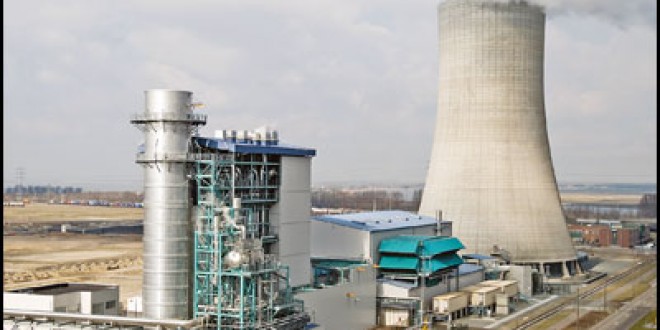
The Special Investment Facilitation Council (SIFC) has directed the Federal Board of Revenue (FBR) to conduct a comprehensive tax audit of urea and fertilizer companies.
This move aims to scrutinize the income tax returns about the quantity of urea sold or distributed, particularly focusing on the profits earned by urea sellers and dealers.
The decision comes at a time when urea prices have significantly increased nationwide, raising suspicions of collusion between dealers and local urea manufacturers.
A report by Muhammad Ali, the caretaker Minister for Power and Petroleum, highlighted that fertilizer companies are witnessing substantial profits due to constant gas prices.
For instance, the report projects Fauji Fertilizer Company's (FFC) profit after tax (PAT) to reach Rs 33.165 billion in FY 2023-24, a notable increase from the previous Rs 20.410 billion. Similarly, Engro Fertilizers (EFERT) and Fatima Fertilizer are expected to see considerable profit growth.
Muhammad Ali emphasized the need to end the practice of providing cheap gas and subsidies, citing the financial strain it places on the government and its role in facilitating smuggling and profiteering through informal channels.
This situation not only impacts the fiscal deficit but also aggravates the trade deficit.
The subsidy system is currently under scrutiny as well. Despite the government subsidizing two-thirds of fertilizer manufacturers, the benefits are reportedly not reaching the farmers.
Instead, an estimated Rs 90 billion in subsidies is being absorbed by informal channels, leading to a revenue loss of about Rs 30 billion for the government. Additionally, approximately 200,000 tons of urea are being smuggled from Pakistan, further complicating the issue.
In response to these challenges, General Syed Asim Munir, Chief of Army Staff, has urged provincial authorities to crack down on fertilizer hoarding and unethical sales practices. This directive is part of a broader effort to ensure transparency in the fertilizer industry and support local farmers.
The fertilizer industry, on the other hand, attributes the urea shortage to reduced production and delayed imports by the government. Key production units like Fatimafert in Sheikhupura and Agritech in Mianwali faced gas supply issues, leading to a significant drop in urea production.
Furthermore, the late start in urea imports by the government has been identified as a contributing factor to the market imbalance and price escalation.
The Economic Coordination Committee (ECC) of the Cabinet has recently approved an increase in the basket price of imported urea fertilizer, directing the Ministry of Industries and Production, along with its attached department NFML, to finalize the implementation details.
This decision is part of a broader strategy to address the financing costs charged by fertiliser manufacturers and the supply of gas to these industries.
The International Monetary Fund (IMF) has also recommended the government to reduce price disparities in the sector. This includes moving towards cost-recovery pricing for gas supplied to the fertilizer sector and equalizing rates between export and non-export industries.
2 Comments
No comments yet. Be the first to join the discussion!