Global markets plunge as Trump’s tariffs ignite worldwide economic turmoil
Trillions lost across global stock exchanges amid fears of recession, world leaders condemn tariff surge, warn of prolonged trade war with shares in Apple and Nike falling 9 and 14 percent
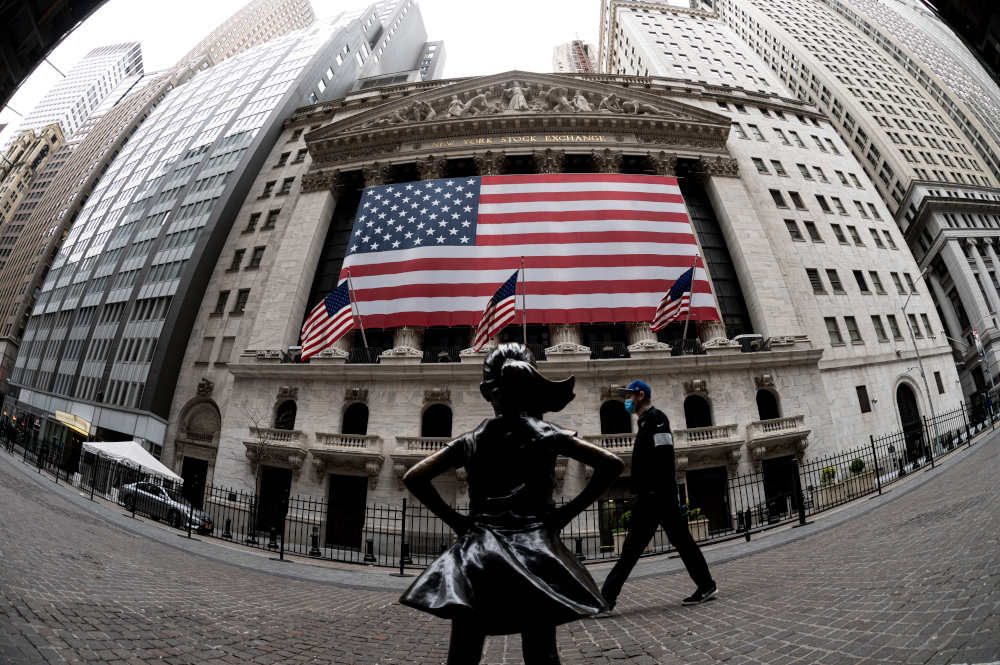
NEW YORK / LONDON / HONG KONG: Financial markets around the world were rocked Friday after President Donald Trump’s imposition of the most aggressive tariffs in over a century, sending stocks into a tailspin and sparking widespread concerns about global economic growth.
The S&P 500 plummeted by 4.8%, its largest drop since the height of the pandemic in 2020, wiping out more than $2.4 trillion in market value. The Nasdaq Composite followed suit, falling 6%, while the Cboe Volatility Index (VIX), a gauge of investor fear, surged to its highest level since August 2024.
Trump’s new tariffs include a 10% baseline levy on all imports, with specific increases on imports from China (54%), Vietnam (46%), Japan (24%), and Europe (20%). The unexpected scale of these tariffs sent shockwaves through global markets.
Major U.S. companies, especially in the tech sector, were hit hard, with shares in Apple falling more than 9%, with Amazon and Nvidia also losing market share Nike, a prominent consumer brand, saw its stock drop by 14% on Thursday amid heightened concerns over the impact of tariffs on the retail and manufacturing sectors.
The BBC reported significant declines across global stock indices, with the FTSE 100 in the UK falling by 1.5%, the ASX 200 in Australia dropping by 1.6%, and the Japanese Nikkei 225 plunging by 2.7%, highlighting the widespread international reverberations of the ongoing market turmoil.
Global leaders were quick to condemn the move, with Ursula von der Leyen, European Commission President, calling the tariffs a “major blow” to the world economy. She warned that the European Union was prepared to respond with countermeasures, signaling the potential for a global trade war.
Similarly, in Asia, major exporters like Toyota and Samsung saw their stocks plummet, reflecting growing concerns about the impact of a protracted trade war on global supply chains. The Stoxx Europe 600 dropped 2.6% on Thursday, and shares in major European banks like HSBC and Deutsche Bank suffered notable declines.
Investors, seeking refuge from the growing uncertainty, flocked to safer assets. U.S. Treasury bonds rallied, pushing yields to their lowest levels since October 2024, while gold surged by more than 19% in the first quarter of the year on Thursday, its biggest rise since 1986.
Meanwhile, the U.S. dollar weakened against all major currencies, including the Japanese yen and Swiss franc, as investors sought safe-haven assets.
Despite the market carnage, President Trump remained defiant, asserting that the tariffs would eventually benefit the U.S. economy by bringing jobs back home and boosting manufacturing.
He stated, “I think it’s going very well,” adding that “markets are going to boom” eventually.
However, many economists and analysts have voiced concerns that the aggressive trade policies could spark a global recession. Hugh Gimber of J.P. Morgan warned that the U.S. may suffer as much as its trading partners, with the tariffs complicating the economic outlook.
The World Trade Organization has also expressed concern, estimating that global trade volumes could shrink by 1% this year due to the tariffs.
As tensions rise and retaliation looms, investors remain uncertain about the future trajectory of the economy. Mandy Xu, Head of Derivatives Market Intelligence at Cboe, remarked that “investors now see tariffs as an ongoing risk rather than a temporary event,” suggesting that volatility is likely to persist for the foreseeable future.
2 Comments
No comments yet. Be the first to join the discussion!