
Brace for impact: The grid is in a nose dive
Short-term tariff relief masks the long-term challenge
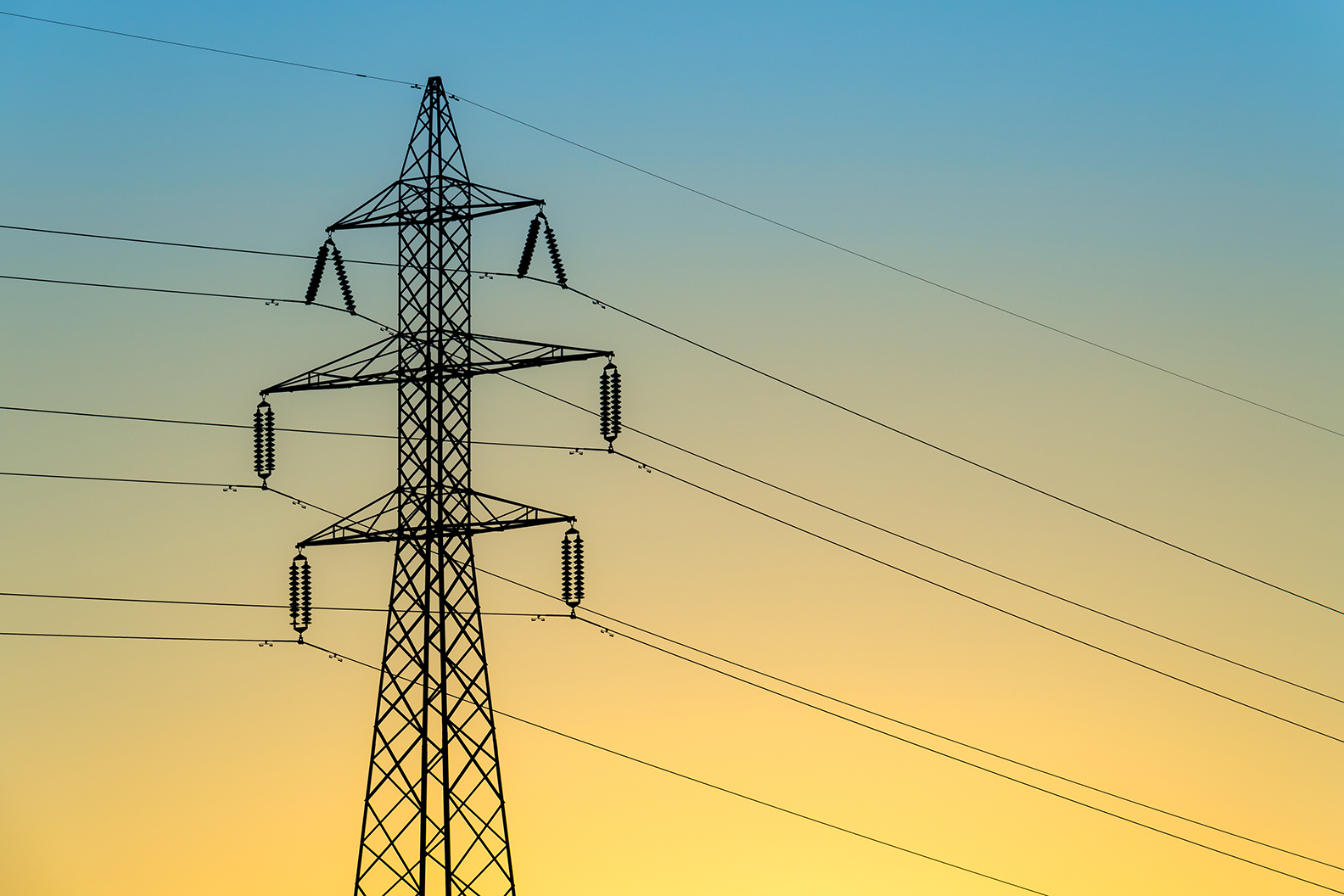
Pakistan's power sector stands as a stark testament to the consequences of years of mismanagement and flawed planning. What began as policy missteps has evolved into a crisis so complex that even the country's brightest minds struggle to untangle the web of interconnected problems.
Like a patient surviving only on life support, the sector depends entirely on massive government subsidies and temporary fixes to function, leading renowned economist Dr. Atif Mian to aptly describe it as a "zombie sector" – one that continues to drain national resources while showing little sign of genuine recovery.
The current crisis didn't emerge overnight but represents the culmination of systematic failures spanning decades. At its heart lies a fundamental mismatch between supply and demand, compounded by a series of shortsighted policy decisions that consistently favored quick remedies over sustainable, long-term solutions. Today, Pakistan's installed power generation capacity reaches approximately 46,000 megawatts, dramatically exceeding the peak national demand of around 30,000 MW. This glaring disparity perfectly encapsulates the sector's core inefficiency and highlights how far removed planning has become from actual needs.
This supply-demand imbalance has created what industry experts term a "capacity trap," where fixed costs for underutilized power plants – many with payments denominated in US dollars – continue accumulating regardless of actual electricity production. The government's historical strategy of attracting private investment through comprehensive risk transfer mechanisms has resulted in generation costs that are 87-140% higher than those in neighboring countries, making Pakistani electricity among the most expensive in the region.
The challenges extend well beyond generation capacity to encompass fundamental inadequacies in transmission infrastructure. Pakistan's aging electrical grid struggles with what experts call the "south-north barrier," referring to geographical constraints that prevent efficient power distribution across regions. These transmission bottlenecks create the paradoxical situation where the country simultaneously curtails cheaper renewable energy sources due to grid limitations while maintaining expensive thermal plants to meet demand. The result is a system where some areas experience power shortages while others possess surplus capacity that cannot be effectively distributed.
Subscribe to Continue Reading
The rest of this article is available exclusively to subscribers.

The author works as an Editorial Consultant at Profit and can be reached at [email protected]
View all articles →1 Comment
No comments yet. Be the first to join the discussion!


