Pakistan pledges 60% renewable energy by 2030, joins ECO in regional clean power push
At CECECO’s inaugural board meeting, Energy Minister Awais Leghari highlights Pakistan’s clean energy progress, calls for deeper cooperation on financing, technology transfer, and capacity building.
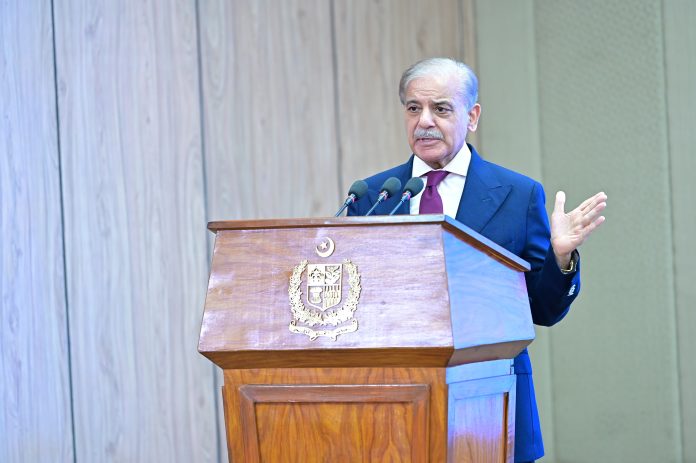
Pakistan reaffirmed its target of achieving 60 percent renewable energy in its national power mix by 2030, with Federal Minister for Energy Sardar Awais Ahmad Khan Leghari stressing that regional collaboration is vital for sustainable growth and energy security.
Speaking via video link at the inaugural Board of Governors meeting of the ECO Clean Energy Centre (CECECO), Leghari praised the Economic Cooperation Organization (ECO) and Azerbaijan’s leadership for establishing what he called a “timely and essential” institution to address climate change, clean energy transition, and regional integration.
Leghari noted that Pakistan has already made significant headway in harnessing its hydro, wind, and solar resources. More than 42 percent of the country’s grid-connected capacity now comes from renewables, he said, while over half of electricity generated last year was from clean energy. He added that 35 percent of installed capacity is already utility-scale renewable power, and an additional 5.8 gigawatts of solar energy have been integrated through net metering at homes and businesses.
The minister stressed that almost all new power projects under Pakistan’s expansion plans are based on clean technologies. He highlighted policies encouraging private sector investment, decentralized systems, and microgrids to expand access in rural areas. However, he cautioned that scaling up requires major investment in grid modernization, large-scale renewables, and energy efficiency, alongside technology transfer and workforce training.
“Through CECECO’s technical committees and thematic hubs, we can bring together the region’s brightest minds to tackle shared challenges and build a resilient energy architecture,” Leghari said.
The minister also extended appreciation to Parviz Shahbazov, Energy Minister of Azerbaijan and Chair of the CECECO Board, and to Dr Asad M. Khan, ECO Secretary General, for their roles in steering the initiative. He underlined that the Charter signed by all member states sets out an ambitious agenda, including regional coordination, project development, mobilizing finance for low-carbon ventures, and serving as a hub for data and best practices.
Leghari reaffirmed Pakistan’s readiness to share its experience and actively contribute to CECECO’s mission. “We are confident that CECECO will become a dynamic engine of progress, advancing clean energy across the region and building a sustainable future for generations to come,” he said.
The session, attended virtually by senior energy officials, ministers, and delegations from ECO member states, marked a pivotal step toward regional energy cooperation and clean transition.

Our monitoring team diligently searches the vast expanse of the web to carefully handpick and distill top-tier business and economic news stories and articles, presenting them to you in a concise and informative manner.
View all articles →Comments
No comments yet. Be the first to join the discussion!