EU-India trade pact may erode Pakistan’s textile edge in European markets: report
India becomes more competitive in EU market, effectively neutralising, and in several product segments overtaking Pakistan’s GSP+ advantage, warns APTMA

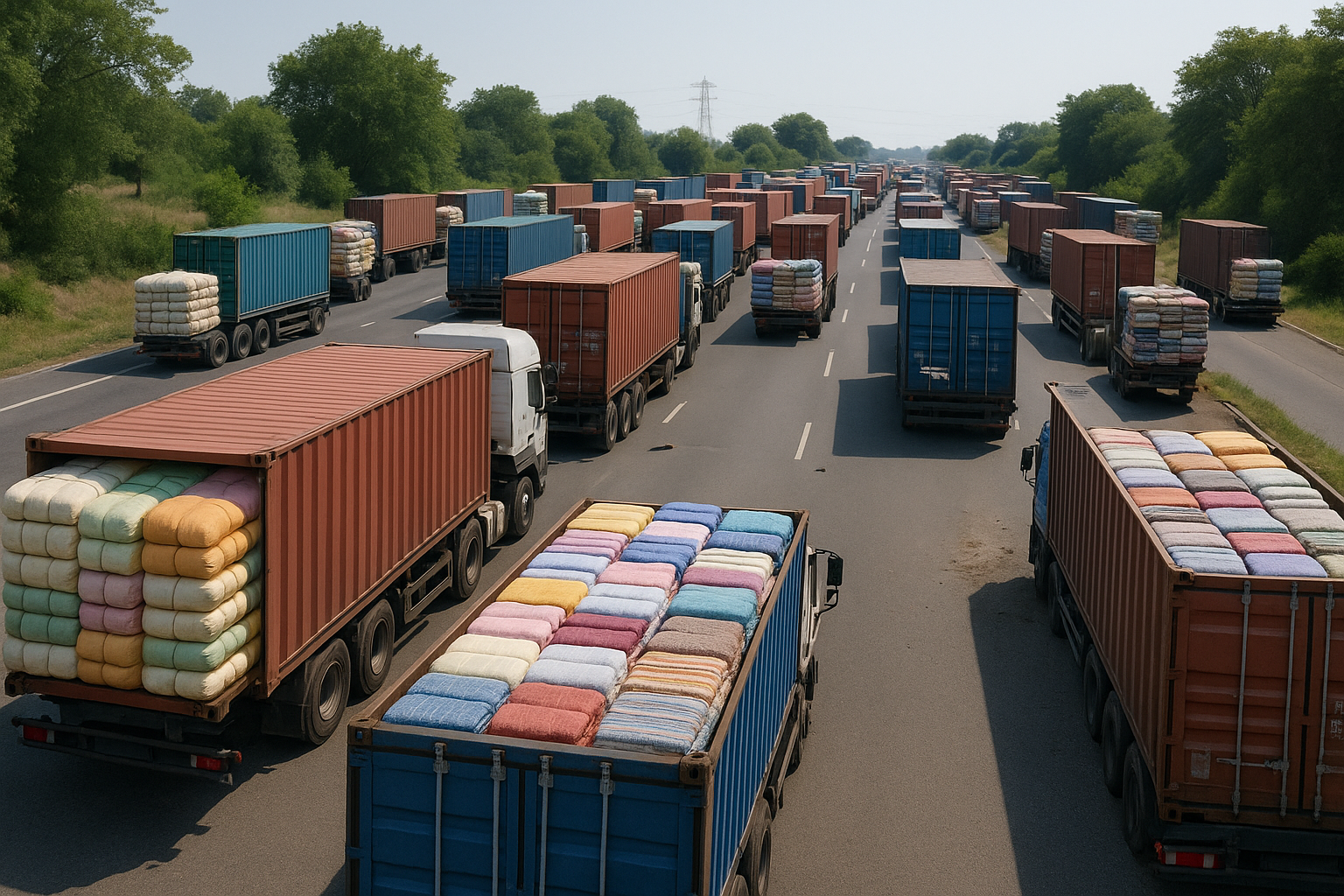
The signing of a long-awaited Free Trade Agreement (FTA) between the European Union (EU) and India is expected to intensify pressure on Pakistan’s textile exports, as Indian manufacturers gain tariff-free access to a market that accounts for nearly a quarter of Pakistan’s total exports.
According to a research note by JS Global, the EU and India finalised the agreement on January 27 after almost two decades of negotiations, paving the way for the reduction or elimination of tariffs on Indian textile and garment exports across EU member states.
Under the existing regime, Indian textile exports were subject to tariffs of 8 to 12% under the Generalised System of Preferences (GSP), while Pakistan benefited from zero-duty access under GSP+ status. With the FTA now in force, analysts say Pakistan’s comparative advantage in the EU market is likely to narrow, particularly as India benefits from higher value addition and stronger vertical integration.
In a related development, the All Pakistan Textile Mills Association (APTMA) has also warned that India has now become significantly more competitive in the EU market, effectively neutralising, and in several product segments overtaking, Pakistan’s GSP+ advantage.
Former caretaker commerce minister Gohar Ijaz said Pakistan’s period of exclusive zero-duty access to the EU had ended, as comparable concessions were now available to major regional competitors, noting that Pakistan exported goods worth around $9 billion to the EU last year.
He urged the government to address structural cost disadvantages faced by exporters, including energy, taxation, and financing costs, warning that exports worth billions of dollars and millions of jobs were at risk if competitiveness was not restored.
APTMA noted that the EU remains one of Pakistan’s most critical export destinations. About 27.2% of Pakistan’s total exports, valued at roughly $8.8 billion in FY2025, were shipped to the EU-27. Nearly 39% of total textile exports, amounting to around $7 billion, were absorbed by the European market.
Pakistan’s GSP+ status has been central to this access, providing zero-duty entry on 66% of EU tariff lines. At present, around 89% of Pakistan’s textile and apparel exports to the EU enter duty-free under GSP+ preferences.
Pakistan and India are direct competitors in the EU textile market, each exporting close to $7 billion worth of textile and apparel products. Both countries compete across similar categories, including garments, home textiles, and cotton-based products.
Before the EU–India agreement, Pakistan enjoyed a relatively favourable position due to deeper tariff concessions and more flexible rules of origin compared with India, which was exporting under the standard GSP framework and facing duties of up to 12% on several textile items. India’s GSP preferences were also suspended in January 2026 after it exceeded EU export thresholds.
However, under the EU–India Free Trade Agreement concluded this month, India has secured immediate duty-free access on 100% of textile and apparel tariff lines. Pakistan, by contrast, will continue to export duty-free on only 66% of tariff lines under GSP+.
The agreement covers all major textile and apparel categories, including yarn, cotton yarn, man-made fibre apparel, ready-made garments, men’s and women’s clothing, and home textiles.
JS Global estimates that around 24% of Pakistan’s exports are directed to the EU, making the textile sector particularly exposed. Among listed companies, Gul Ahmed Textile Mills, Interloop Limited, and Nishat Mills have the highest revenue exposure to the EU market.
Analysts caution that unless Pakistan undertakes cost reforms, upgrades value addition, or diversifies export markets, the EU–India FTA could lead to intensified competition and potential loss of market share for Pakistani textile exporters in the years ahead.
Comments
No comments yet. Be the first to join the discussion!