February 3, 2026
Venezuela’s oil shipments rebound in January as US licences ease export logjam
Exports jump to around 800,000 bpd after December collapse, with traders and US refiners driving recovery
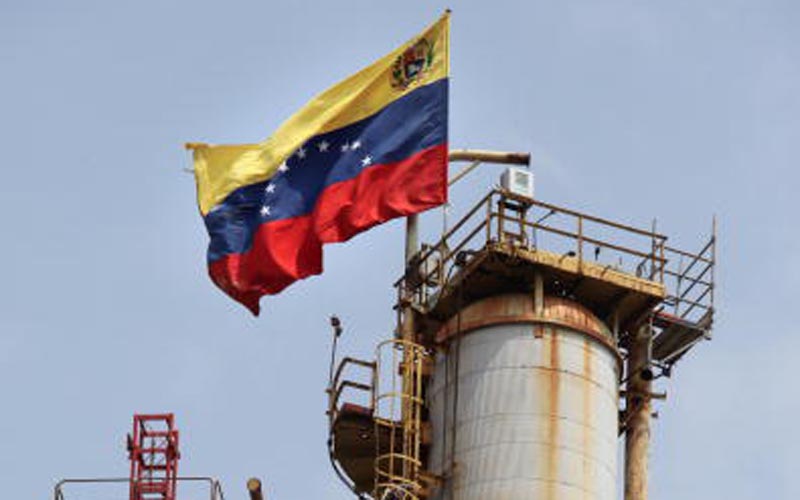
Venezuela’s oil exports surged in January to about 800,000 barrels per day (bpd), rebounding sharply from roughly 498,000 bpd in December, as eased US restrictions and new export licences allowed traders to begin clearing large stockpiles of crude and fuel, shipping data showed.
The recovery followed a brief US-imposed oil blockade in December, when Washington tightened pressure on President Nicolas Maduro and seized seven tankers, effectively halting most exports. The disruption left more than 40 million barrels of crude and refined products stranded in storage tanks and vessels, forcing state oil company PDVSA to curb output in early January.
Export activity accelerated after the US Treasury Department granted licences in January to trading houses Trafigura and Vitol, allowing them to lift and market Venezuelan oil stocks. Tanker-tracking data shows that oil production, processing and shipments picked up soon after the permits were issued.
January’s export volumes were close to Venezuela’s 2025 average of about 847,000 bpd, though still slightly below the 867,000 bpd shipped in the same month last year. Analysts note that PDVSA and its partners will need to maintain a faster export pace to drain remaining inventories and fully reverse recent output cuts.
The United States reclaimed its position as the single largest destination for Venezuelan crude in January, importing around 284,000 bpd. Of that total, approximately 220,000 bpd was shipped by Chevron, up from 99,000 bpd in December. China, previously Venezuela’s top buyer with more than 70% of exports, received about 156,000 bpd, while no cargoes were sent to political ally Cuba.
Vitol and Trafigura together exported roughly 12 million barrels of Venezuelan crude and fuel in January, equivalent to about 392,000 bpd, mostly to Caribbean storage hubs. From there, cargoes were marketed onward to buyers in the United States, Europe and India.
Last week, the US Treasury issued a broader licence authorising US companies to export, store, transport and refine Venezuelan oil, further easing trade constraints. However, PDVSA’s joint-venture partners, including Chevron, are still awaiting individual permits to expand operations.
Under a flagship $2 billion supply agreement reached between Caracas and Washington following Maduro’s capture, between 18 million and 38 million additional barrels remain to be exported, with proceeds earmarked for a US-supervised fund.
Venezuela also shipped its first cargo of liquefied petroleum gas (LPG) in nearly three years on Sunday, departing from the Jose port aboard the Trafigura-chartered Chrysopigi Lady. In addition, Chevron and Vitol delivered several cargoes of heavy naphtha to PDVSA and its joint ventures in January, a key input used to dilute Venezuela’s extra-heavy crude and sustain export-grade production.
0 Comments
No comments yet. Be the first to join the discussion!