After India deal, Pakistan Textile Council urges govt to seek US tariff cut to 10%
Industry body flags competitiveness risks after India secures lower US tariff

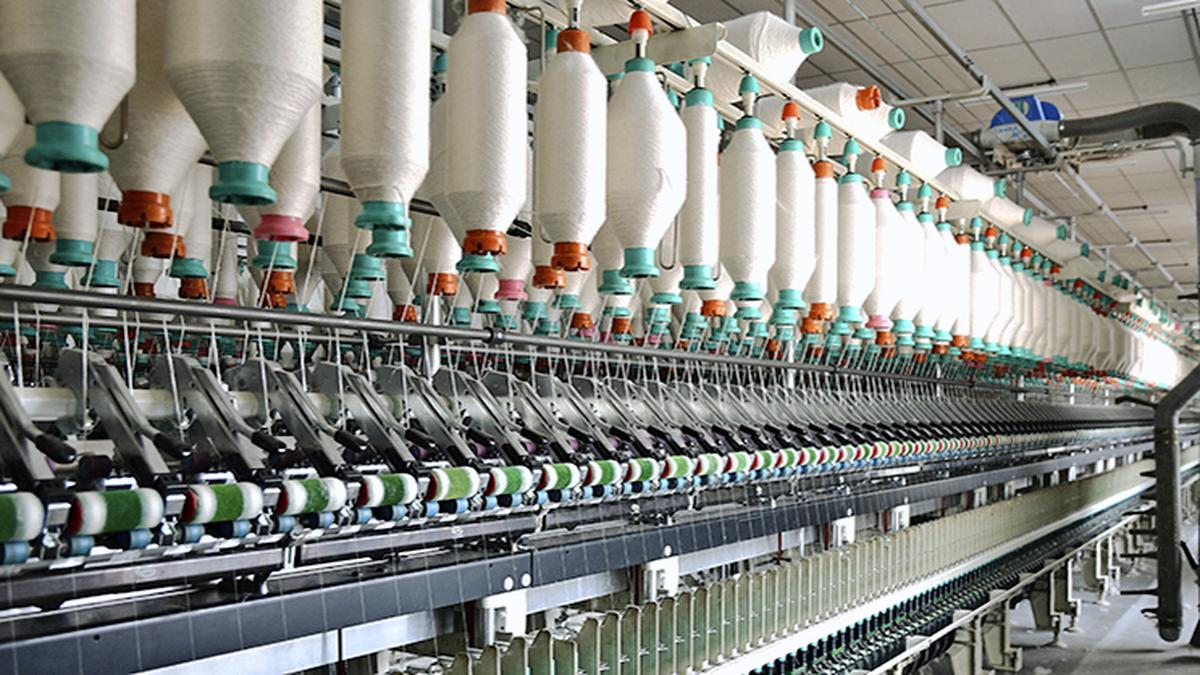
Pakistan Textile Council (PTC) has asked Prime Minister Shehbaz Sharif to urgently engage the United States administration to seek a reduction in Pakistan’s reciprocal tariff to around 10%, citing rising competitive pressures in key export markets.
In a communication to the prime minister, the council acknowledged recent policy steps, including lower electricity tariffs for industry and a timely reduction in Export Refinance Facility rates, saying these measures signal intent to support exports and employment amid tight macroeconomic conditions.
The council recalled earlier high-level engagement with the US following the imposition of reciprocal tariffs on several trading partners, including Pakistan, and said recent international developments have heightened the urgency of renewed talks.
It noted that after months of negotiations, the US and India reached a trade understanding that reduced India’s reciprocal tariff to 18% from 50%, alongside broader trade and strategic commitments, giving India a tariff edge in the US market.
The council said the differential, while limited in isolation, is magnified by Pakistan’s higher cost structure, particularly in taxation, energy and input efficiency, with implications for labour-intensive sectors such as textiles and apparel.
It added that India’s approved $5 billion industrial support package and export-focused reforms, along with the operationalisation of the India–EU trade agreement, further intensify competition. In this context, the council stressed the importance of maintaining GSP Plus access and advancing structural reforms, including tax rationalisation and restoration of zero-rated regimes for export inputs.
The council said Pakistan should use all diplomatic, strategic and commercial channels to seek tariff relief, arguing that a reduction to around 10% would be consistent with Pakistan’s economic constraints under the International Monetary Fund programme and with relief extended to other countries.
It said such an outcome would support export competitiveness in the US market, help safeguard employment and revenues in a major formal sector, and reinforce buyer confidence, adding that the council remains available to support government-led engagement with industry input.
Comments
No comments yet. Be the first to join the discussion!