February 17, 2026
Deregulated pricing, low-cost Chinese APIs quadrupled Pakistan’s pharma profits: report
Companies benefit from a stable exchange rate, a strong product pipeline, and a 35% drop in Chinese API costs; sector is projected to grow 35% YoY in 2026

February 17, 2026
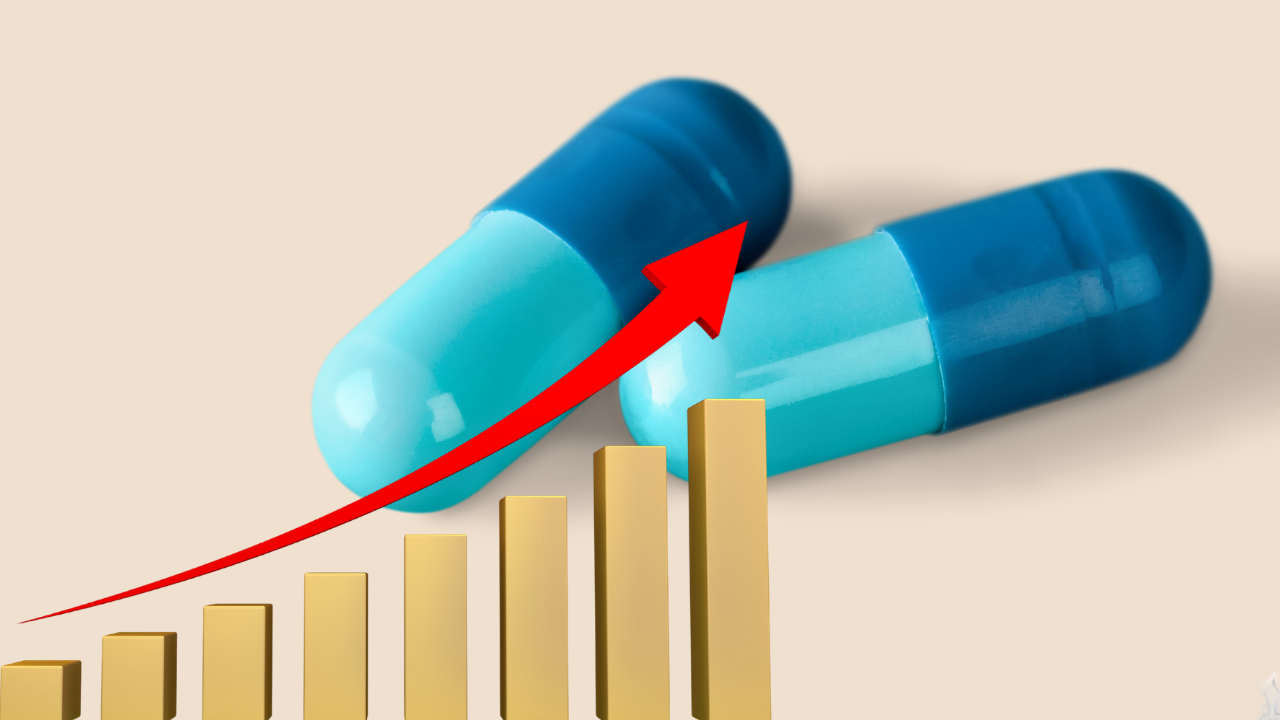
Pakistan's pharmaceutical sector has seen a remarkable surge, with valuations rising 3.3 times since 2024. Despite this growth, there is still room for further expansion as the sector continues to show strong performance, according to IMS Research.
From FY23-25, sector profits have more than quadrupled, driven by the deregulation of prices on non-essential drugs, a surge in exports, and the introduction of new products. The sector is projected to grow 35% year-on-year in 2026, with companies recovering from previous losses and low baselines in 2025.
The country's pharmaceutical industry is benefiting from a stable exchange rate, an ambitious product pipeline, and a 35% drop in Chinese active pharmaceutical ingredient (API) costs. China, which accounts for 85% of Pakistan's API imports, has seen a significant drop in API prices, further boosting the profitability of the local pharmaceutical sector.
With several pharmaceutical stocks still trading below 15x forward P/E, analysts believe there is potential for selective upside. The sector's price-to-earnings (P/E) ratio stands at 16x, significantly lower than the 10-year average of 19.6x, suggesting there is still room for growth in valuations.
As per the brokerage report, the sector's margins have reached an all-time high, exceeding 42% in 3QCY25. This increase is due to the deregulation of prices and a 35% drop in Chinese API costs. Unlike previous cycles, where profitability was volatile due to regulatory limits and exchange rate shocks, the current market environment allows for better cost pass-through and improved pricing discipline. However, only about 30 APIs are produced domestically, which satisfies only 10-12% of the sector's total API requirements.
IMS said that a structural earnings tailwind is emerging for Pakistan’s pharmaceutical sector, driven by a sharp decline in global API prices. Particularly, China has been aggressive in cutting API prices to remain competitive against India’s growing domestic API production. Key molecules like paracetamol, amoxicillin, and clavulanate have seen price cuts of 35-40% in 2025. These price reductions are benefiting Pakistani drug manufacturers by lowering input costs and improving gross margins.
Pakistan’s pharmaceutical exports reached a 20-year high, growing 34% year-on-year in FY25, amounting to $457 million. The total exports of therapeutic goods—medicines, devices, and supplements—neared $909 million. Although trade disruptions with Afghanistan have impacted some companies, markets in the Philippines, Sri Lanka, Uzbekistan, Iraq, and less regulated areas like Cambodia and East Africa remain lucrative. The expiration of patents for blockbuster drugs globally is opening up new opportunities in the generics market, further fueling the export growth of local companies.
With the pharmaceutical sector showing strong growth across multiple fronts, there is potential for further upside. Valuations remain below the 10-year average, particularly for companies trading under 15x P/E, suggesting selective upside for investors in the sector. The IMS keeps its outlook positive as Pakistan’s pharmaceutical industry capitalises on global opportunities and domestic improvements.
2 Comments
No comments yet. Be the first to join the discussion!