February 20, 2026
US supreme court strikes down Trump’s emergency tariffs in 6–3 decision
Ruling curtails IEEPA based global levies, but leaves sector tariffs and alternative legal pathways intact

February 20, 2026
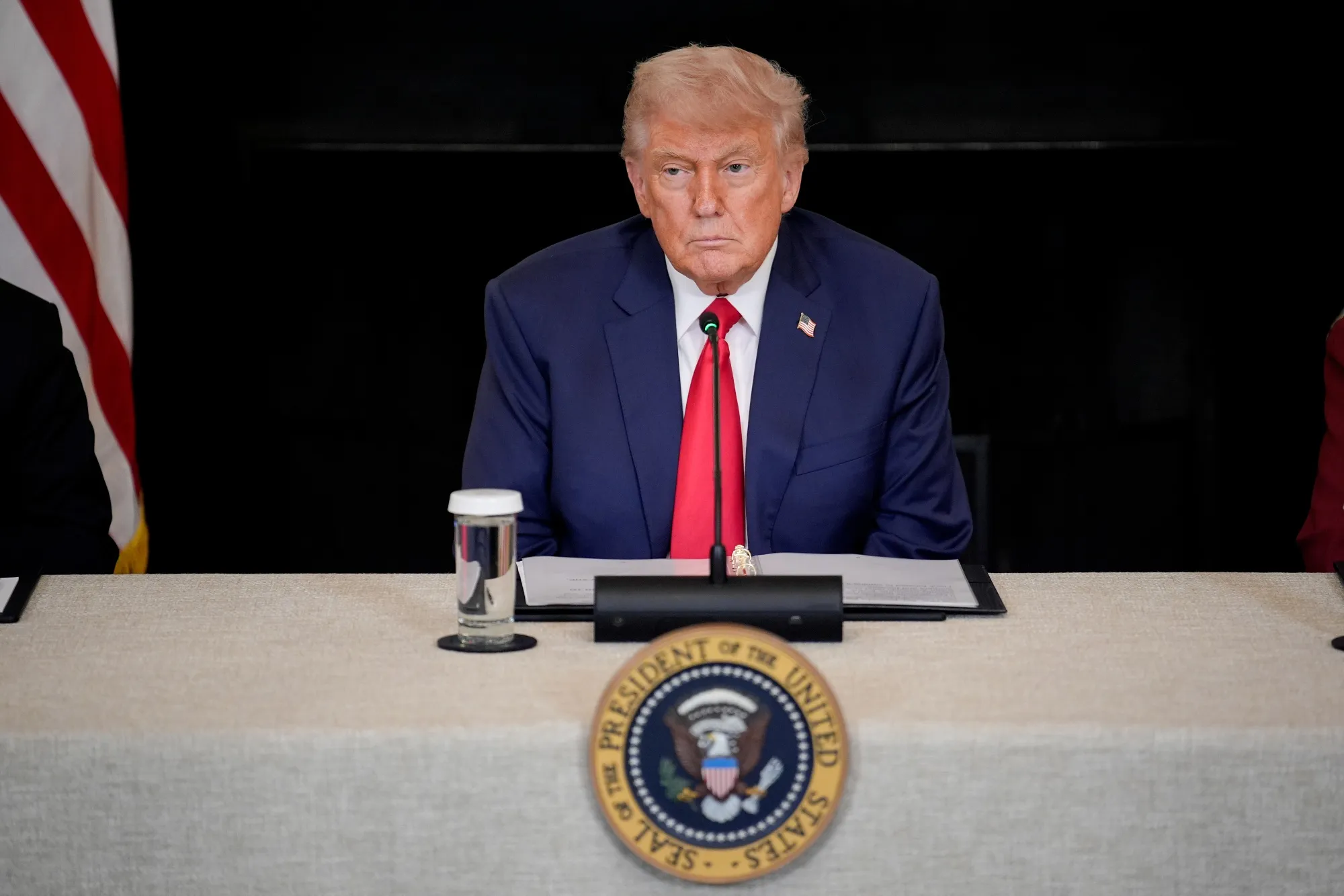
The US Supreme Court on Friday invalidated a core tranche of President Donald Trump’s global tariffs, ruling that the president overstepped constitutional limits by imposing sweeping import taxes under emergency powers.
In a 6–3 decision, the court held that the Constitution assigns taxing authority to Congress, including the power to levy tariffs. Chief Justice John Roberts, writing for the majority, said the Framers deliberately withheld taxing powers from the executive branch.
The ruling dismantles tariffs Trump imposed under the 1977 International Emergency Economic Powers Act, including the broad “reciprocal” tariffs applied to nearly all trading partners and additional levies targeting Canada, Mexico, China, Brazil and India. Trump had cited national security and geopolitical concerns to justify the measures.
Justice Brett Kavanaugh dissented, arguing that the tariffs were legally permissible under constitutional text, historical practice and precedent, even if their policy merits were debatable. He warned that unwinding the tariffs could lead to a complex and potentially disorderly refund process for businesses.
Despite the ruling, major elements of Trump’s tariff regime remain intact. Sector specific tariffs on steel, aluminum, automobiles, copper, lumber and certain manufactured goods imposed under Section 232 of the 1962 Trade Expansion Act are unaffected. Administration officials have indicated they may seek to preserve or reconfigure tariffs using alternative legal authorities, though those mechanisms impose greater procedural and substantive constraints.
Federal data shows the Treasury Department had collected more than $133 billion in tariff revenue as of December. The Congressional Budget Office estimated the broader economic impact at approximately $3 trillion over the next decade, reflecting higher import costs, retaliation risks and supply chain adjustments.
The court did not address whether companies are entitled to refunds for tariffs already paid, leaving the issue unresolved and likely to trigger further litigation.
The Justice Department had argued that IEEPA implicitly authorized tariff setting during national emergencies. Challengers countered that the statute does not mention tariffs and that Trump’s actions failed established constitutional and administrative law tests, citing legal reasoning similar to that used to block former President Joe Biden’s large scale student loan forgiveness program.
The ruling marks the first major Supreme Court test of Trump’s current economic agenda before a bench that includes three justices appointed during his first term.
Our monitoring team diligently searches the vast expanse of the web to carefully handpick and distill top-tier business and economic news stories and articles, presenting them to you in a concise and informative manner.
View all articles →0 Comments
No comments yet. Be the first to join the discussion!