February 21, 2026
Pakistan’s poverty hits 29%, unemployment reaches 7.1% in FY25
70 million fall below the poverty line of Rs8,484; rural poverty climbs to 36.2%, urban poverty reaches 17.4%; real household income drops 12% in seven years

February 21, 2026
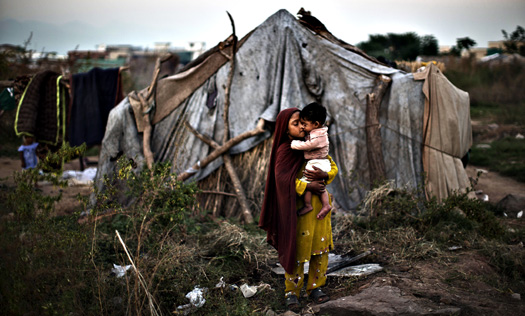
Pakistan’s poverty rate has risen to 29%, the highest level in 11 years, while income inequality has widened to 32.7, the highest in 27 years since 1998, and the unemployment rate has reached 7.1%, a 21-year high, according to preliminary poverty estimates for fiscal year 2024-25 released by Planning Minister Ahsan Iqbal on Friday.
The survey indicates that poverty has increased by 32% since 2018-19, when the national poverty rate stood at 21.9%. The current level of 28.9% marks the highest rate since 2014, when it was recorded at 29.5%. Poverty in rural areas rose from 28.2% to 36.2%, while urban poverty increased from 11% to 17.4% over the same period. Around 70 million people are now living below the monthly poverty line of Rs8,484, defined as the minimum expenditure required to meet basic needs.
Provincial data reveals that poverty in Punjab increased from 16.5% to 23.3%, in Sindh from 24.5% to 32.6%, and in Khyber-Pakhtunkhwa from 28.7% to 35.3%. Balochistan recorded the highest poverty rate, rising from 42% to 47%.
Income inequality also increased across provinces. In Punjab, the inequality index rose from 28.4 to 32; in Sindh from 29.7 to 35.9; in Khyber-Pakhtunkhwa from 24.8 to 29.4; and in Balochistan from 21 to 26.5.
The survey highlights a decline in real household incomes. Average monthly real household income fell from Rs35,454 in 2019 to Rs31,127 in 2024-25, a decline of 12%. Real monthly household expenditure also dropped from Rs31,711 to Rs29,980, down 5.4%. The report states that inflation outpaced nominal income growth, eroding purchasing power.
According to the Planning Ministry, macroeconomic stabilisation measures under the IMF programme, including fiscal consolidation, higher taxation, energy tariff adjustments, exchange rate depreciation, and the withdrawal of untargeted subsidies, contributed to the rise in poverty. High inflation, natural disasters, and low economic growth were also cited as key factors.
The report notes that labour market conditions remained weak, with large-scale manufacturing still below pre-COVID levels and growth largely output-driven rather than employment-intensive. This limited income recovery despite recent macroeconomic stabilisation.
Addressing the findings, the Planning Minister said that cash assistance under the Benazir Income Support Programme alone cannot address rising poverty and emphasised the need to accelerate economic growth and wealth creation while maintaining fiscal stability. He stated that sustained employment growth, recovery in real incomes, and strengthened social protection coverage would be necessary to reverse the trend.
Iqbal also ruled out exiting the IMF programme prematurely but said there remains policy space to promote growth in agriculture and information technology sectors.
Our monitoring team diligently searches the vast expanse of the web to carefully handpick and distill top-tier business and economic news stories and articles, presenting them to you in a concise and informative manner.
View all articles →0 Comments
No comments yet. Be the first to join the discussion!