February 22, 2026
Pakistan’s government bank borrowing jumps fivefold in 7MFY26, squeezing private credit
SBP data shows Rs1.9 trillion raised in seven months as high rates, fiscal pressure and political risks curb private investment

February 22, 2026
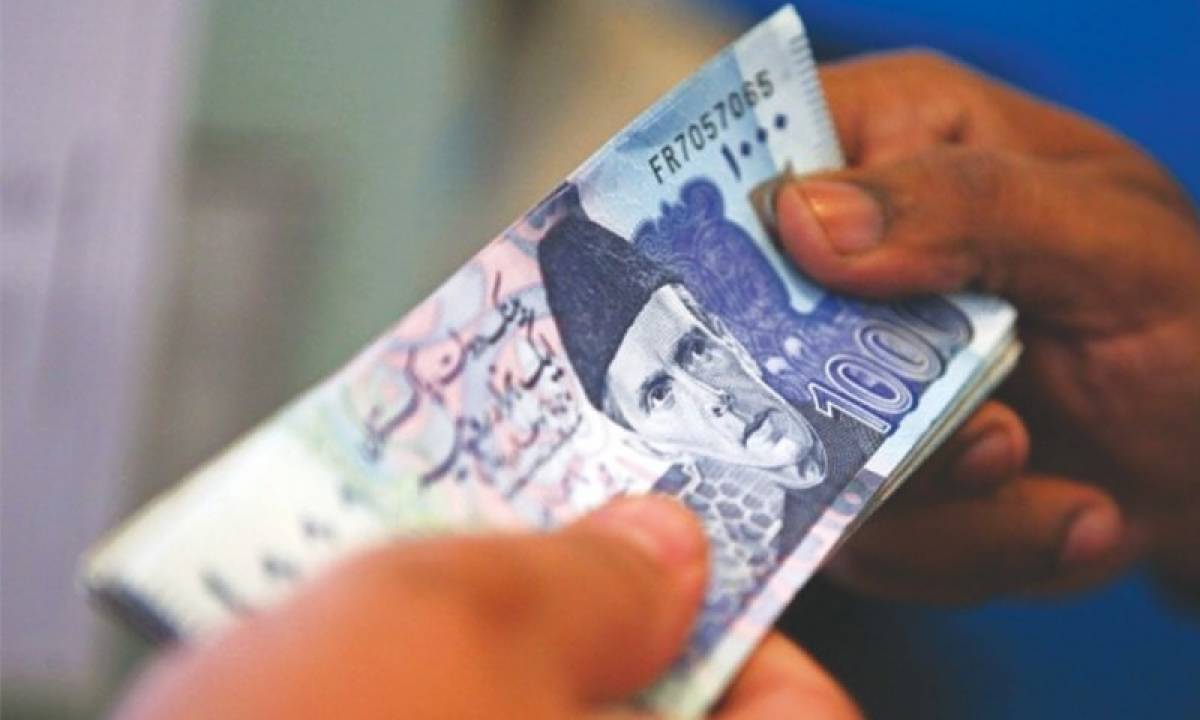
Pakistan’s federal government sharply increased borrowing from commercial banks in the first seven months of FY26, reinforcing concerns that heavy public sector financing is crowding out private sector credit and weighing on economic growth.
Data released by the State Bank of Pakistan (SBP) shows the government borrowed Rs1.912 trillion in 7MFY26, compared with Rs408 billion in the same period a year earlier, a nearly fivefold increase.
The borrowing trajectory suggests fiscal pressures remain elevated despite improved revenue collections, analysts said. The government closed FY25 with Rs5.4 trillion in bank borrowing, with most of the financing concentrated in the second half of the fiscal year. At the current pace, total borrowing in FY26 is expected to exceed last year’s level.
Pakistan’s reliance on bank financing has intensified in recent years. The government borrowed Rs8.5 trillion in FY24 to finance rising current expenditures, while interest payments reached about Rs8 trillion in FY25, making debt servicing the largest component of public spending.
Financial sector participants warn that sustained sovereign borrowing is limiting credit availability for the private sector, which remains subdued amid tight monetary conditions. Although inflation has eased, interest rates remain among the highest in the region and significantly above inflation, discouraging long-term capital investment.
In a bid to support private credit, the SBP last month reduced the Cash Reserve Requirement (CRR) to 5 percent from 6 percent, injecting additional liquidity into the banking system. However, bankers and analysts say the liquidity is likely to flow into government securities rather than private lending, given the low-risk returns on sovereign paper and elevated default concerns in corporate lending.
Businesses are currently borrowing mainly for working capital rather than expansion, according to industry sources. Structural constraints, including high energy and input costs, heavy taxation, and governance issues in tax administration, continue to weigh on investment decisions.
Political uncertainty and regional geopolitical tensions are further dampening investor sentiment, with analysts citing heightened risks linked to potential military escalation involving Iran, Israel and US forces.
Domestic and foreign investors remain cautious, and some Pakistani businesses have partially relocated operations to Central Asia, Africa and Mexico, market participants said. Economists argue that private investment is unlikely to recover until macroeconomic stability improves and political and security risks subside.
Our monitoring team diligently searches the vast expanse of the web to carefully handpick and distill top-tier business and economic news stories and articles, presenting them to you in a concise and informative manner.
View all articles →0 Comments
No comments yet. Be the first to join the discussion!