February 23, 2026
National Assembly flags potato surplus, pushes for storage and export measures
12 million-ton harvest overwhelms markets; committee calls for cold storage, crop planning reforms, and coordinated logistics

February 23, 2026
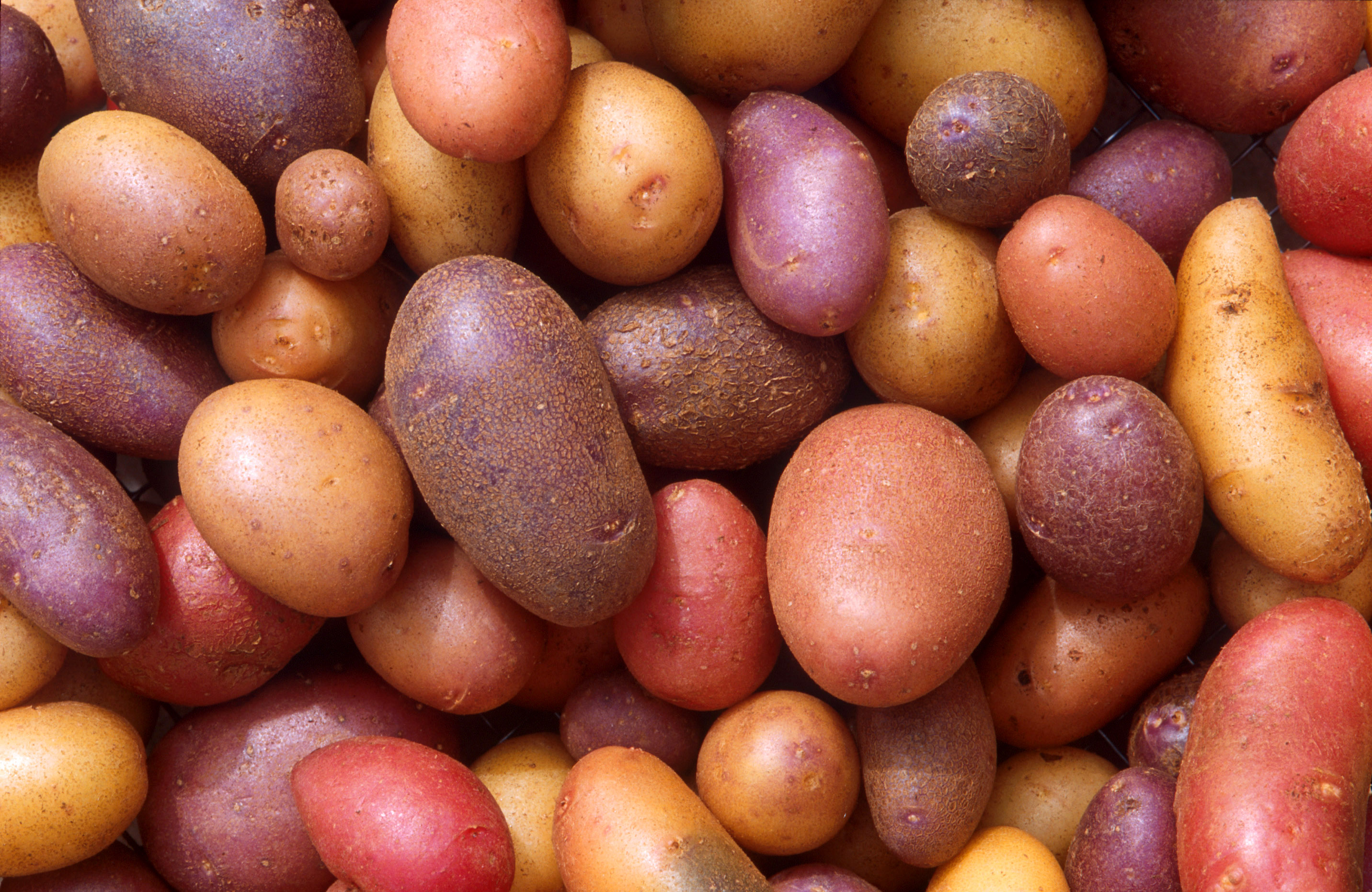
The National Assembly Standing Committee on National Food Security and Research on Monday warned that Pakistan’s potato glut is worsening, with structural weaknesses in crop planning and market forecasting pushing farmers into repeated financial distress.
The committee was briefed that this year’s potato production has surged to around 12 million metric tons, up from the usual 8-10 million metric tons, creating an estimated surplus of four million metric tons. Oversupply has depressed market prices, leading to distress sales during the February-March peak harvest period.
Officials noted that Central Asia, via Afghanistan, offers an export potential of around one million metric tons. However, roughly three million metric tons may not reach external markets due to high freight costs, border constraints, limited global demand, insufficient cold storage, and weak value-addition capacity. Shipments through Iran’s Taftan border take about 23 days, raising transport costs and spoilage risk, while the China route is restricted by single-entry visas.
The committee highlighted that recurring crop crises, seen previously in rice, wheat, and sugarcane sectors, point to systemic issues including weak federal-provincial coordination, inadequate production forecasting, and poor market intelligence. To address the potato surplus, it recommended provincial governments procure excess produce for cold storage to stabilize domestic prices or export later. It also suggested a wheat-support-style model, allowing private banks to fund cold storage with government-backed interest relief for farmers.
The Ministry of National Food Security and Research will meet the National Logistics Corporation (NLC) this week to tackle procurement and logistics bottlenecks. Meanwhile, the committee approved Rs16.94 billion in Public Sector Development Programme (PSDP) projects for 2026-27, including Rs4.05 billion in foreign grants, focusing on olive value chains, digital agriculture, seed potato production, camel milk processing, climate-resilient livestock, cotton promotion in Balochistan, and a research centre in Khairpur, Sindh.
The committee stressed that without improved crop planning, storage infrastructure, export facilitation, and value addition, farmers will continue to suffer cyclical price crashes even during bumper harvests.
Our monitoring team diligently searches the vast expanse of the web to carefully handpick and distill top-tier business and economic news stories and articles, presenting them to you in a concise and informative manner.
View all articles →2 Comments
No comments yet. Be the first to join the discussion!