Pakistan’s textile exporters want cheaper power, faster refunds and steadier rules — or risk deeper slide

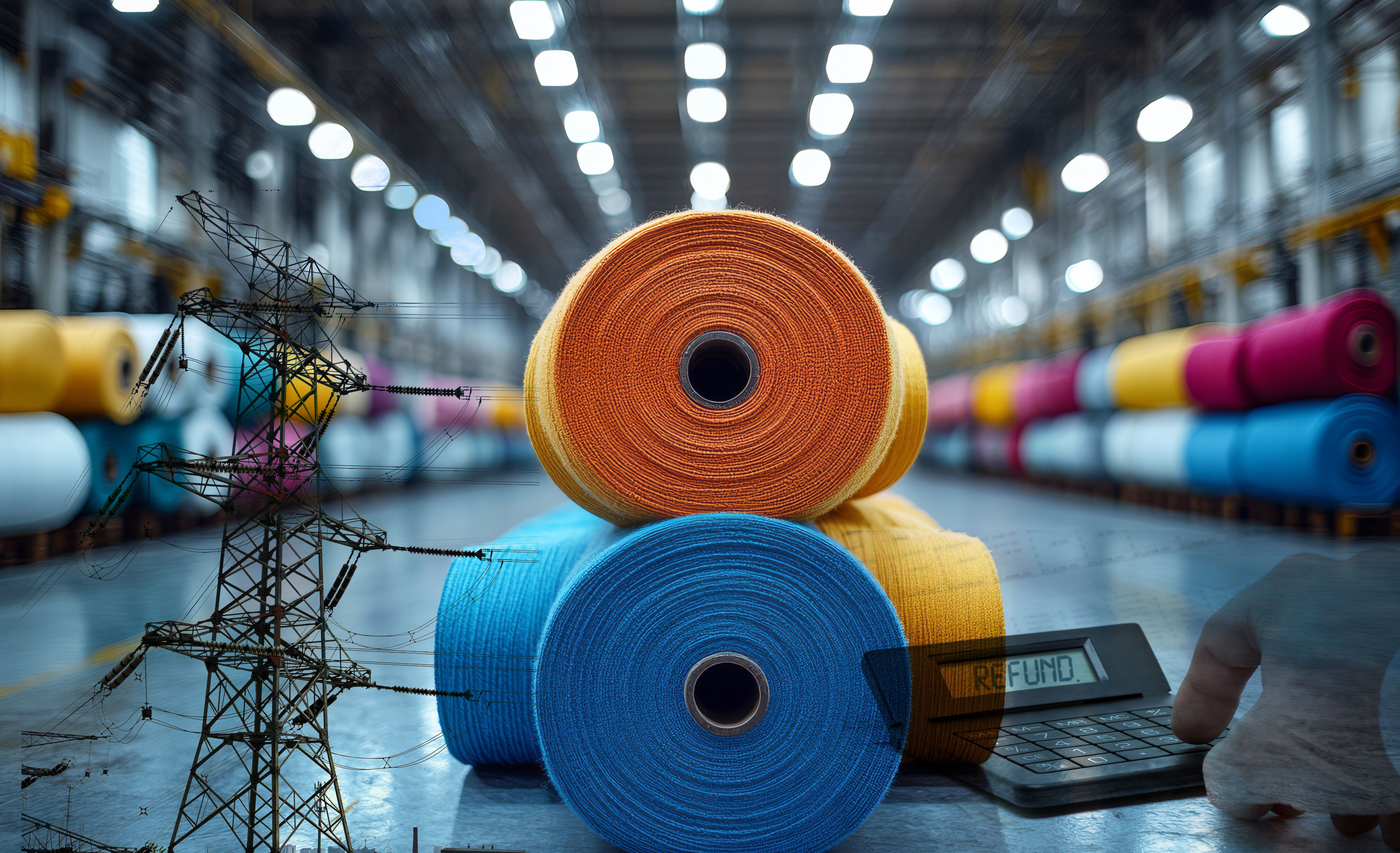
On Friday, leading value-added textile exporters walked into a commerce ministry meeting with a message that has grown harder to ignore: Pakistan’s biggest export sector says it is being priced out by high input costs, financed too tightly to fulfil orders smoothly, and forced to operate under rules that change too often for international buyers’ timelines.
Commerce Minister Jam Kamal Khan and senior officials were presented a list that has become the industry’s standard brief—upfront taxes, elevated energy tariffs, infrastructure constraints, and a liquidity squeeze worsened by refunds that remain pending. Exporters argued that these pressures have started showing up directly in export outcomes, with the ministry meeting framed around consecutive declines in value-added textile exports.
What made this meeting different was less the content than the urgency behind it. In the exporters’ telling, the old obstacles are no longer temporary irritants that can be managed quarter to quarter; they have become structural constraints that, over two decades, helped Pakistan lose ground to regional competitors that built scale, improved reliability, and locked in policy stability long enough for firms to invest with confidence.
Subscribe to Continue Reading
The rest of this article is available exclusively to subscribers.
Comments
No comments yet. Be the first to join the discussion!