March 6, 2026
Bangladesh shuts fertiliser factories as Middle East crisis strains gas supply
Production halted at Chittagong Urea Fertilizer Limited and Karnaphuli Fertilizer Company Limited to conserve gas supplies
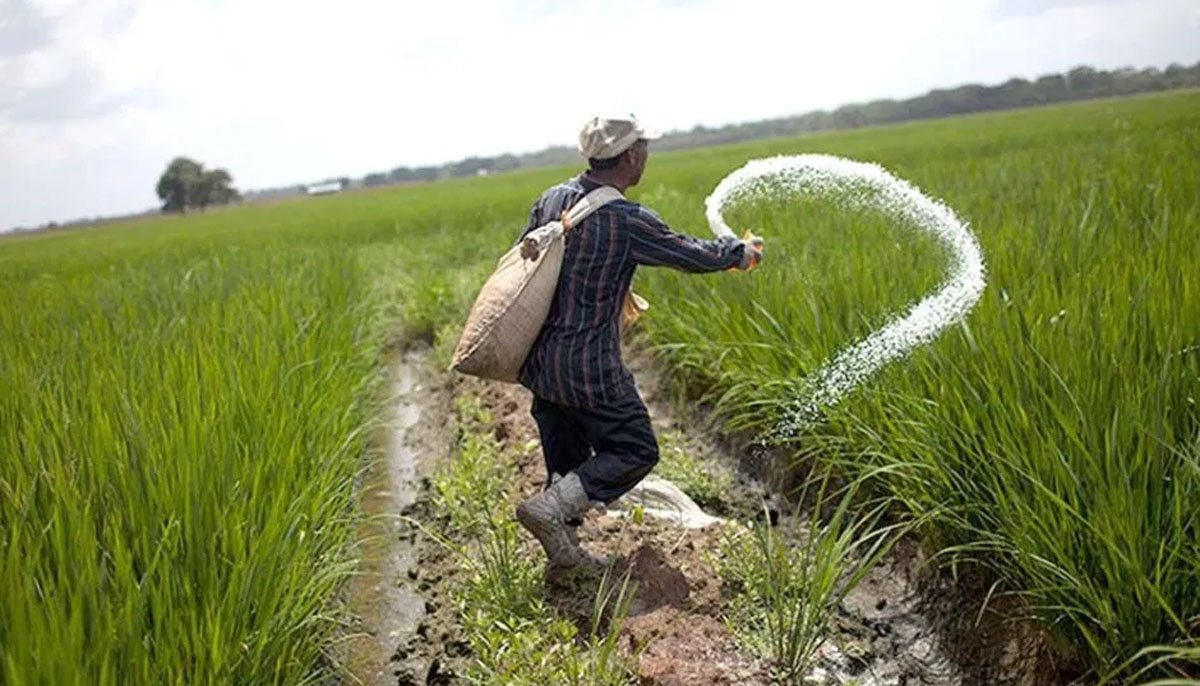
DHAKA: Bangladesh has shut fur of its five fertiliser factories amid a worsening gas shortage triggered by escalating tensions in the Middle East, officials said on Thursday.
Production at several state-run plants — including Chittagong Urea Fertilizer Limited (CUFL) and Karnaphuli Fertilizer Company Limited (Kafco) — has been halted until further notice following a government order aimed at conserving dwindling gas supplies.
The two facilities had been receiving 70–80 million cubic feet of gas per day before the shutdown, said Uttam Chowdhury, CUFL’s chief chemist and head of production.
“Production can resume once gas supply is restored,” he said.
The suspension comes as Qatar halted LNG production earlier this week, while hostilities involving Iran have disrupted oil and gas shipments through the Strait of Hormuz, driving up global energy and freight costs.
The turmoil has tightened supplies in nations like Bangladesh, which relies heavily on imported liquefied natural gas.
CUFL has a daily capacity of 1,100 tonnes of urea and 800 tonnes of ammonia, requiring 48–52 million cubic feet of gas to operate at full capacity.
Officials warn that a prolonged shutdown could force the country to increase imports of urea at significantly higher international prices.
To address immediate supply risks, Bangladesh has issued a tender seeking two LNG cargoes for delivery in mid-March 2026.
Meanwhile, the Ministry of Power, Energy and Mineral Resources has urged government agencies, private institutions and households to adopt immediate energy-saving measures. The ministry has called for cuts in household gas use, checks for pipeline leaks, greater reliance on public transport and avoidance of non-essential travel to conserve fuel.
Officials cautioned that continued instability in key energy-exporting regions could disrupt power generation, slow industrial production and pose broader risks to the country’s energy security.
0 Comments
No comments yet. Be the first to join the discussion!