Cabinet panel warns war premium, cargo competition may pressure external account as it reviews fuel plan
Finance minister chairs meeting, says stocks comfortable; panel examines alternate routes, anti-hoarding steps and conservation options amid shipping risk
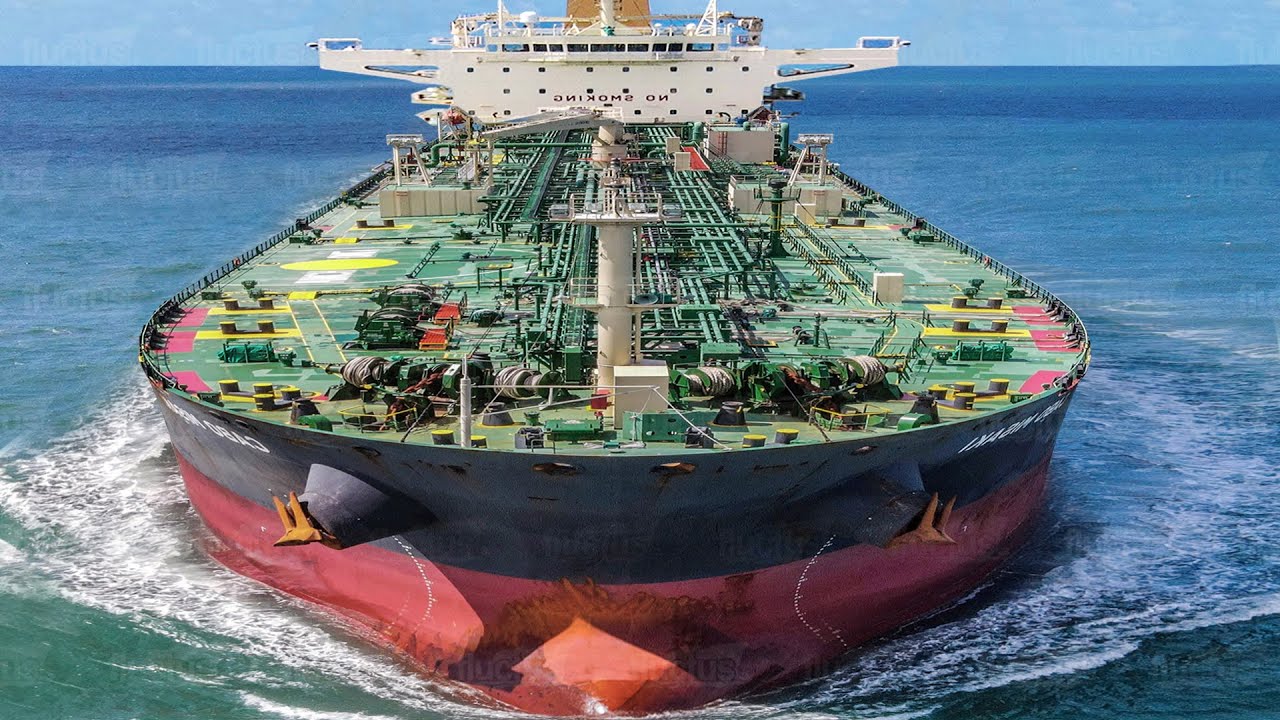
A cabinet committee set up by the prime minister to track petroleum prices amid the evolving regional situation warned on Thursday that higher “war premium” costs and stronger competition for energy cargoes, particularly in Asian markets, could add pressure on Pakistan’s external account if volatility continues.
According to media reports, the committee, chaired by Finance Minister Muhammad Aurangzeb, reviewed oil market developments and assessed preparedness measures, including supply assurance, pricing options, enforcement steps and conservation measures. It decided to finalise recommendations by Friday and submit them to the prime minister along with an implementation plan.
Officials briefed the meeting that petroleum stocks remain at comfortable levels with sufficient cover for key products and that there is no immediate concern about availability. The committee, however, said conditions remain uncertain as supply chains and shipping routes face higher risks and cost pressures.
The committee received an update on international oil market conditions, including benchmark price movements, freight and insurance costs, routing constraints and the risk of congestion at key chokepoints. It reviewed multiple supply and pricing scenarios to keep domestic supplies stable under different contingencies.
It also discussed steps to strengthen supply assurance through diversified sourcing and logistics arrangements. The committee reviewed diplomatic and commercial engagements aimed at securing additional crude and refined products through alternate routes and ports, including options outside higher-risk corridors.
To reduce delays, members considered operational measures such as facilitating berthing and using available domestic shipping capacity where feasible. The meeting also reviewed the LNG and LPG position, including shipment schedules, terminal operations and contingency options to manage demand if disruptions persist.
On market enforcement, the committee discussed coordinated action by provincial administrations with OGRA and other agencies to deter hoarding, illegal storage and diversion. It also highlighted preventing outward smuggling and maintaining uninterrupted distribution as key priorities, and discussed strengthening real-time monitoring and action against violations.
Aurangzeb told the meeting that ensuring the uninterrupted availability of petroleum products would remain the main driver of policy and operational decisions. He said the government would continue daily monitoring and scenario planning, and that any pass-through of international price pressures would be handled through established mechanisms aimed at avoiding market distortions.
The committee decided it will meet daily to track developments, review stock positions and supply chain movements, and oversee execution across stakeholders.
The meeting was attended by the ministers for petroleum, national food security, commerce and information, the minister of state for finance, the SBP governor, federal secretaries, provincial chief secretaries and senior officials from relevant ministries and regulators.

Our monitoring team diligently searches the vast expanse of the web to carefully handpick and distill top-tier business and economic news stories and articles, presenting them to you in a concise and informative manner.
View all articles →Comments
No comments yet. Be the first to join the discussion!