Oil surges 20% on Iran war fears; Pakistan, India among most exposed
Supply risks around the Strait of Hormuz and output curbs by Middle Eastern producers push crude to highest level since 2022 as analysts warn of inflation and growth shocks.
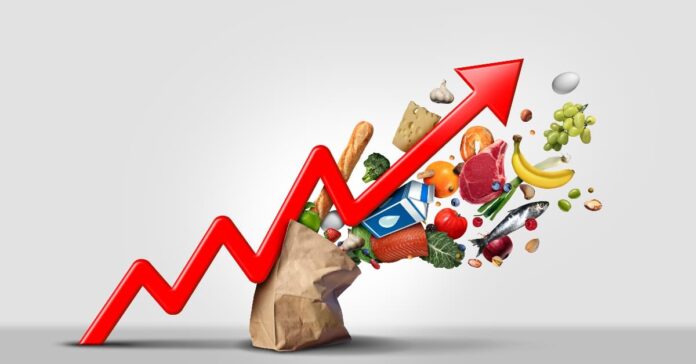
Oil prices jumped about 20% in early trading on Monday, reaching their highest level since July 2022 as the widening war involving the United States, Israel and Iran triggered fears of major disruptions to global energy supplies.
The rally intensified after reports that some Middle Eastern producers had begun cutting output as storage facilities filled quickly amid rising uncertainty over shipping through the Strait of Hormuz, a key artery for global oil flows.
Analysts said the possibility of deeper production disruptions could keep prices elevated.
Daniel Hynes, senior commodity strategist at ANZ in Sydney, said the market reacted to reports that producers were already curbing output because storage tanks were filling rapidly. He warned that if the situation worsens, companies may be forced to shut in oil wells, a move that would not only reduce supply further but also slow the pace at which production could recover once the conflict subsides.
The conflict has also revived long standing fears about a potential energy crisis triggered by instability in the Middle East.
Saul Kavonic, head of energy research at MST Marquee, said the oil market had grown complacent after several years in which geopolitical tensions failed to result in actual supply disruptions. He described the current confrontation involving Iran as the kind of large scale crisis that analysts have modelled for decades.
Oil analysts say the market is increasingly preparing for the possibility of a prolonged supply shock.
Muyu Xu, senior oil analyst at Kpler in Singapore, said the situation now contains all the elements of a “perfect storm” for crude markets. She noted that if disruptions to shipping through the Strait of Hormuz continue for one to two weeks, oil prices could rise further to around $130 to $150 per barrel.
The potential economic fallout is also becoming a growing concern for global markets.
Michael McCarthy, chief operating officer at trading platform Moomoo in Sydney, said threats to attack refineries were particularly alarming because they risk cutting off between 15% and 20% of global oil supply. Such a shock, he warned, would slow economic activity while simultaneously pushing inflation higher, creating stagflationary pressures.
Research firm BMI, a unit of Fitch Solutions, said its baseline expectation is that the conflict will be intense but relatively short lived, although it warned that the risk of a prolonged war remains significant.
The firm said the economic impact among emerging markets would be uneven. Countries in the Gulf Cooperation Council could face disruptions to trade, logistics, tourism and investment as regional tensions escalate.
However, energy importing economies such as Pakistan and India are considered among the most vulnerable because of their heavy reliance on oil shipments passing through the Strait of Hormuz.
Outside direct supply disruptions, BMI identified Egypt and Turkey as particularly exposed due to their high energy import bills, fragile external accounts, large energy subsidies and persistent inflation pressures.
By contrast, commodity producing economies in Sub Saharan Africa and Latin America including Nigeria, Ghana and Peru are expected to face relatively limited risk from the current shock.
Vishnu Varathan, head of macro research for Asia excluding Japan at Mizuho in Singapore, said the impact of an oil supply shock extends well beyond energy trade.
He noted that rising oil prices can ripple through supply chains and erode corporate margins across Asia, while also triggering social and political pressure in countries where fuel price increases often spark public protests.
Varathan added that the surge in crude prices could strengthen the US dollar as investors seek safe haven assets, particularly given the heavy exposure of large Asian economies such as Japan and South Korea to higher energy costs.
Tony Sycamore, market analyst at IG in Sydney, said the sharp market reaction reflects the absence of a clear path toward de escalation in the conflict.
He said investors are confronting a high stakes standoff in which neither side appears willing to back down, increasing the risk of deeper and longer lasting economic damage.
US President Donald Trump has continued to maintain an aggressive stance toward Iran, at times calling for unconditional surrender while arguing that the spike in oil prices would likely prove temporary and a small price to pay for global security. However, analysts note that no clear timeline for easing tensions has emerged.
Comments
No comments yet. Be the first to join the discussion!