March 10, 2026
Pakistan's arms imports rise 66% in five years, China supplies 80%: report
Global arms transfers increase nearly 10% as Europe becomes largest importing region while USA remains top exporter; India ranks second globally in arms imports

March 10, 2026
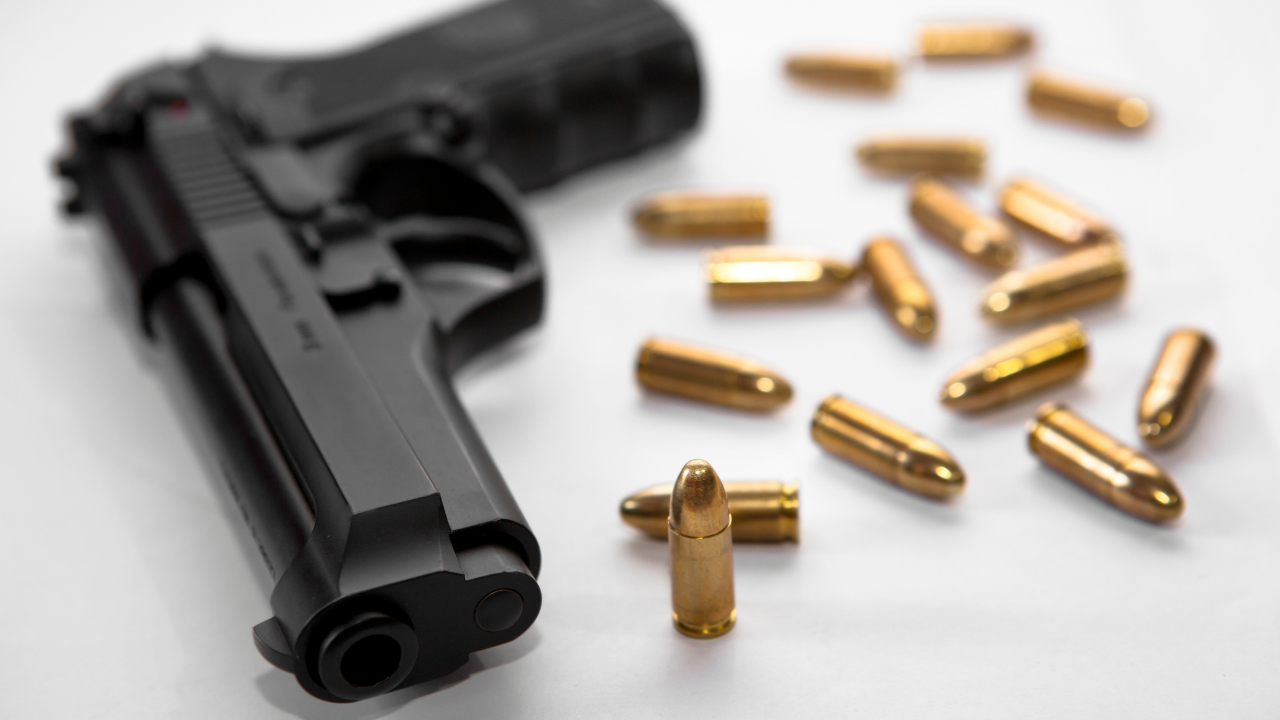
Pakistan’s arms imports increased by 66 percent between 2021 and 2025 compared with 2016–20, with China supplying about 80 percent of the weapons, according to a report by the Stockholm International Peace Research Institute (SIPRI).
The Stockholm-based research institute said China further strengthened its position as Pakistan’s primary arms supplier, up from 73 percent during the 2016–20 period.
The report noted that arms imports in South Asia remain influenced by regional security concerns. India’s large-scale arms purchases are driven largely by its perceived security threat from China and its longstanding tensions with Pakistan.
SIPRI researcher Siemon Wezeman said imported weapons were used during a 2025 clash between India and Pakistan, both nuclear-armed states.
Despite Pakistan’s rise in imports, India remained the world’s second-largest arms importer, although its purchases declined slightly by 4 percent compared with the previous five-year period.
India has also diversified its suppliers. Russia’s share of Indian arms imports fell to 40 percent in 2021–25, down from 51 percent in 2016–20 and 70 percent in 2011–15, as India increasingly turned to Western suppliers.
Globally, arms transfers increased by 9.2 percent between 2016–20 and 2021–25, driven largely by rising weapons flows to Europe and the Middle East, SIPRI said.
Countries in Asia and Oceania accounted for 31 percent of global arms imports, making it the second-largest importing region, although the region’s overall imports declined by 20 percent due to reduced purchases by China (–72 percent), South Korea (–54 percent), and Australia (–39 percent).
Four countries from the region ranked among the world’s top ten arms importers: India, Pakistan, Japan, and Australia.
SIPRI Arms Transfers Programme Director Mathew George said that while tensions in Asia, Oceania and the Middle East continue to drive arms purchases, the increase in European imports has significantly pushed global transfers higher.
Europe became the largest importing region, accounting for 33 percent of global arms imports, largely due to the war in Ukraine and security concerns related to Russia.
Arms imports by European countries rose 210 percent between the two five-year periods, with Ukraine alone receiving 9.7 percent of all global arms transfers in 2021–25.
In the Middle East, arms imports declined by 13 percent, though the region still included three of the world’s top ten importers: Saudi Arabia (6.8 percent of global imports), Qatar (6.4 percent), and Kuwait (2.8 percent). The United States supplied more than half of the arms imported by the region.
Israel ranked as the 14th-largest arms importer globally, with imports rising 12 percent. The United States supplied 68 percent of Israel’s weapons, followed by Germany with 31 percent.
The United States remained the world’s largest arms exporter, increasing its exports by 27 percent and accounting for 42 percent of global arms transfers, up from 36 percent in the previous period.
For the first time in two decades, Europe became the largest destination for US arms exports, receiving 38 percent, slightly ahead of the Middle East at 33 percent. Saudi Arabia remained the largest single recipient, accounting for 12 percent of US arms exports.
France ranked as the world’s second-largest arms exporter, with exports rising 21 percent. Its largest buyers included India (24 percent), Egypt (11 percent), and Greece (10 percent).
In contrast, Russia’s arms exports fell by 64 percent, reducing its share of global exports from 21 percent in 2016–20 to 6.8 percent in 2021–25.
Russia exported arms to 30 countries, with nearly three-quarters of its exports going to India (48 percent), China (13 percent), and Belarus (13 percent).
The report also showed that Germany became the fourth-largest arms exporter, accounting for 5.7 percent of global exports, while Italy’s arms exports rose by 157 percent, making it the sixth-largest exporter globally.
Our monitoring team diligently searches the vast expanse of the web to carefully handpick and distill top-tier business and economic news stories and articles, presenting them to you in a concise and informative manner.
View all articles →0 Comments
No comments yet. Be the first to join the discussion!