March 12, 2026
Fuel price hike triggers transport fare increases, food inflation across cities
Petroleum dealers report that fuel consumption declined after the price increase
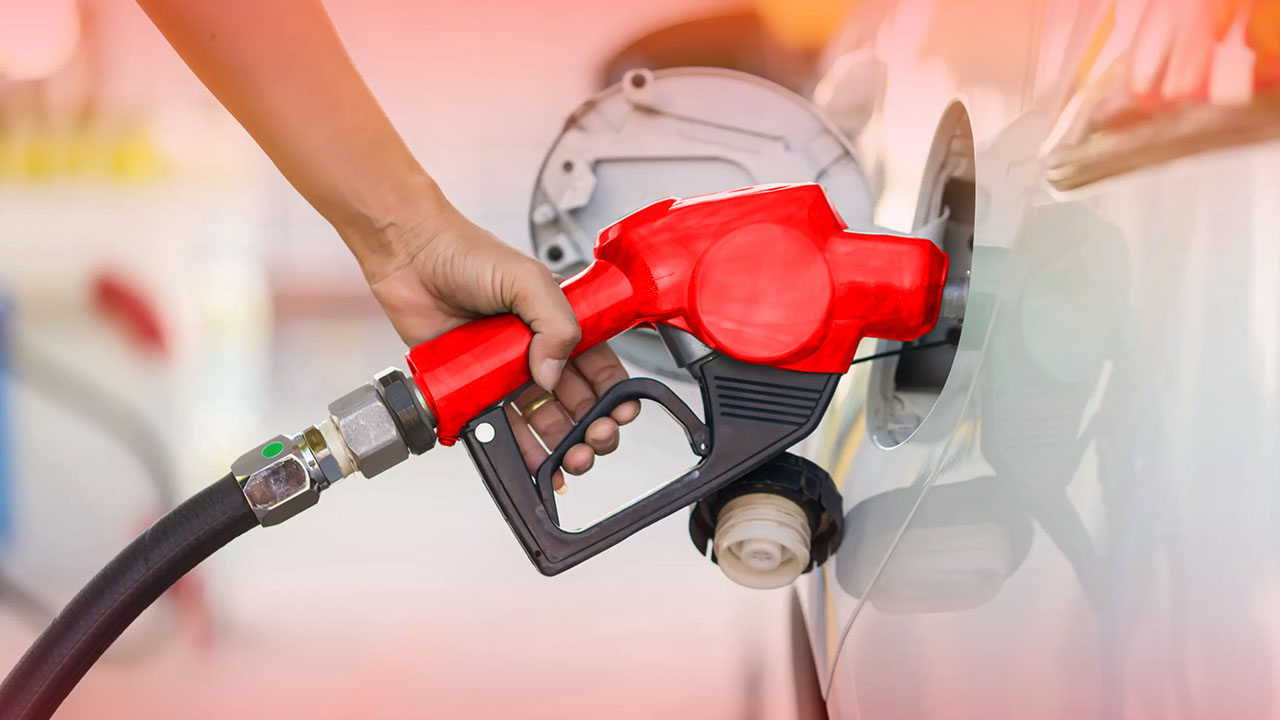
The recent Rs55 per litre increase in petrol and diesel prices is affecting transport costs, food prices and household budgets across several cities, with traders, commuters and transporters reporting immediate economic pressure.
Residents and workers in different sectors said the fuel price increase has made it more difficult to manage daily expenses during the holy month of Ramazan.
Economists said increases in oil prices typically affect multiple sectors of the economy. Higher fuel costs increase transportation expenses, raise prices of essential goods and reduce purchasing power, which can slow economic activity.
In local wholesale markets, traders reported that prices of fruits and vegetables rose shortly after the fuel price adjustment.
A vegetable trader at Lahore’s Ravi Road wholesale market said prices of several items increased by around 20% to 25% within hours of the announcement. He said vegetable sales remained steady but demand for fruit had declined.
Transport operators also indicated that fares were likely to rise. Drivers working with app-based ride services said operating costs had increased due to higher petrol prices.
A driver associated with a ride-hailing platform said each fuel price increase typically leads to higher fares while also reducing passenger demand.
In Karachi, passengers using buses, Qingqi rickshaws and ride-hailing services reported increases in transport fares.
Commuters said fares for some routes had increased by Rs10 to Rs30. Some passengers also reported paying higher rickshaw fares, with trips that previously cost about Rs200 rising to around Rs300.
Drivers working with ride-hailing platforms said higher fuel costs had reduced demand for app-based services as some commuters shifted to buses and other public transport options.
In Peshawar, traders and transporters said the increase in petroleum prices had also pushed up prices of basic commodities.
According to representatives of the grain trade, the price of a 20kg bag of flour increased by Rs50 to Rs100 following the rise in transportation and milling costs.
Transport operators in the province said inter-city fares had also been revised. According to representatives of the transport owners’ association, the fare for travel between Peshawar and Lahore increased from Rs2,000 to Rs3,000, while the Peshawar–Karachi fare rose from Rs3,000 to Rs5,000.
Petroleum dealers reported that fuel consumption had declined after the price increase. A representative of the petroleum dealers association said daily sales at one fuel station fell from about 8,000 litres to around 3,000 litres after the adjustment in fuel prices.
0 Comments
No comments yet. Be the first to join the discussion!