March 17, 2026
Middle East conflict disrupts Pakistan aviation sector as 1,955 flights cancelled in 17 days
Over 110,000 passengers seek refunds, airfares rise up to Rs150,000 with more than 90 daily cancellations and fuel costs surging across sector

March 17, 2026

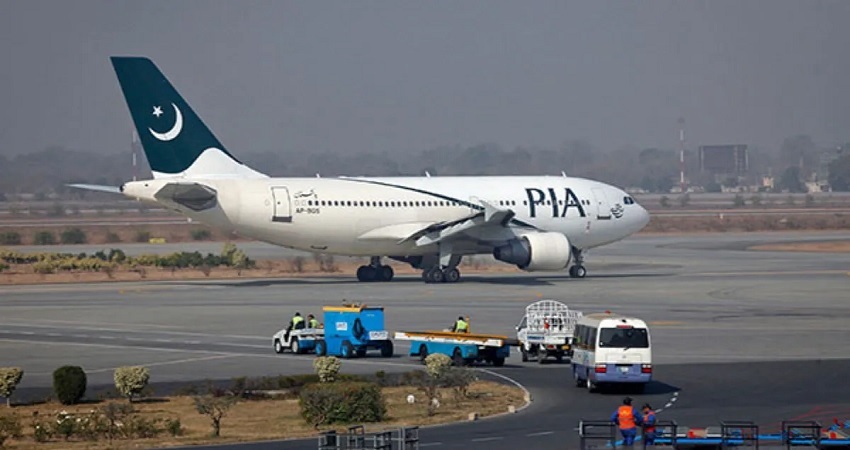
Pakistan’s aviation sector is facing widespread disruption as escalating tensions in the Middle East trigger mass flight cancellations, rising fuel costs and sharp increases in airfares. Flight operations across the country remain affected, with more than 90 flights cancelled on Monday alone from major airports including Lahore, Karachi and Islamabad.
According to aviation sources, around 1,955 flights have been cancelled over the past 17 days across airports in Lahore, Karachi, Islamabad, Multan, Faisalabad, Sialkot, Peshawar and Quetta, resulting in financial losses running into billions of rupees for airlines.
More than 110,000 passengers have sought refunds for flights to destinations including the United Arab Emirates, Kuwait, Qatar, Iran, Iraq and Azerbaijan due to ongoing suspensions.
Airport officials said operations to several Middle Eastern destinations remain suspended, including flights to Abu Dhabi, Sharjah, Bahrain, Kuwait, Qatar, Iran, Iraq and Azerbaijan, with only limited services continuing.
However, flights to Saudi Arabia, Muscat, Europe, Canada, Malaysia, Thailand and Sri Lanka are operating normally.
The disruptions have also affected travel agents, who report significant losses as cancellations surge and new bookings decline.
Industry representatives said agents typically earn Rs1,000 to Rs3,000 per ticket in service charges, but widespread refunds have reduced earnings. The crisis has also disrupted seasonal travel, with expatriates unable to return home for Eid al-Fitr and Umrah pilgrims facing cancellations.
In one incident, an Emirates flight from Lahore to Dubai was forced to return mid-air due to security concerns, with the aircraft landing safely back at Lahore airport.
Alongside cancellations, rising fuel costs are adding pressure on the aviation sector. Global oil markets have been affected following the closure of the Strait of Hormuz after hostilities escalated on February 28.
In Pakistan, aviation fuel prices have increased significantly, with Jet A-1 rising by Rs154 per litre and aviation gasoline, used for training aircraft, increasing by Rs80 per litre.
The increase in fuel costs has pushed domestic airfares up by Rs10,000 to Rs15,000, while international ticket prices have risen by Rs30,000 to Rs150,000.
Industry experts said the rise in aviation gasoline prices has particularly affected pilot training, with costs increasing by around Rs1 million.
At Karachi airport, fuel reserves for training aircraft are estimated to last only about one month, raising concerns about the continuation of training operations.
Aviation gasoline, produced at a limited number of global facilities and imported in small shipments, is currently priced at around Rs670 per litre.
Officials warned that continued increases in fuel prices could further raise operational costs and affect both commercial flights and training activities.
Globally, more than 55,000 flights have been cancelled due to the conflict, according to industry data.
Aviation experts said the sector is facing operational and financial pressure as uncertainty in the region continues to affect flight schedules, fuel supply and travel demand.
Our monitoring team diligently searches the vast expanse of the web to carefully handpick and distill top-tier business and economic news stories and articles, presenting them to you in a concise and informative manner.
View all articles →0 Comments
No comments yet. Be the first to join the discussion!