March 18, 2026
Rapid solar expansion shields Pakistan from energy shocks amid Hormuz disruption: report
Rooftop solar cuts $12 billion imports since 2018, LNG reliance declines but exposure to Hormuz persists

March 18, 2026
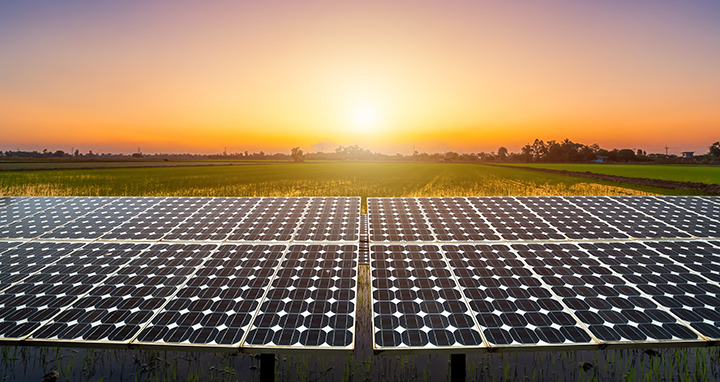
Pakistan’s rapid expansion in rooftop solar installations is reducing exposure to global energy disruptions, including supply risks linked to the Strait of Hormuz, according to a recent joint study by Renewables First and the Centre for Research on Energy and Clean Air.
The study found that distributed solar has lowered dependence on imported fuels, helping the country avoid more than $12 billion in oil and gas imports since 2018. The report estimates an additional $6.3 billion in savings could be achieved by the end of the current year.
Pakistan’s solar growth has been driven largely by consumer adoption and supported by policies such as zero-rated taxes on solar panel imports. Installed solar capacity has increased from under 1 gigawatt in 2018 to over 51 gigawatts by early 2026.
The study noted that without the growth in solar capacity, Pakistan would have faced higher vulnerability to price shocks stemming from tensions in the Middle East. It also stated that solar deployment has reduced reliance on grid electricity and imported gas.
Rooftop solar installations across households, farms, and industrial units have contributed to a decline in LNG demand. This shift is reflected in long-term LNG contracts, where some shipments have been diverted and renegotiated due to reduced domestic requirements.
Despite these gains, Pakistan remains exposed to disruptions in the Strait of Hormuz. The analysis highlighted that in 2024, the country ranked among the top global importers dependent on LNG and oil shipments passing through the route.
The report stated that in the absence of solar expansion, measures such as load-shedding would likely have been required during the current energy constraints. Instead, distributed solar has helped maintain supply during peak demand periods.
The study linked the surge in adoption to the 2022 global energy crisis and falling solar equipment costs. It added that this shift has contributed to a reduction in fuel import dependence and changes in the country’s energy demand profile.
A regional comparison in the report noted that several Asian economies, including China, India, and South Korea, remain more exposed to LNG supply disruptions due to higher import reliance. Pakistan’s dependence is declining, although it remains linked to external energy routes.
The analysis concluded that continued expansion of renewable energy could further reduce exposure to external shocks, with distributed solar playing a growing role in meeting electricity demand.
Our monitoring team diligently searches the vast expanse of the web to carefully handpick and distill top-tier business and economic news stories and articles, presenting them to you in a concise and informative manner.
View all articles →0 Comments
No comments yet. Be the first to join the discussion!