Logistics charges expose deeper cracks in Pakistan’s meat export ambitions
Adhoc fees on exporters highlight structural gaps, rising costs and untapped $3 trillion global market potential

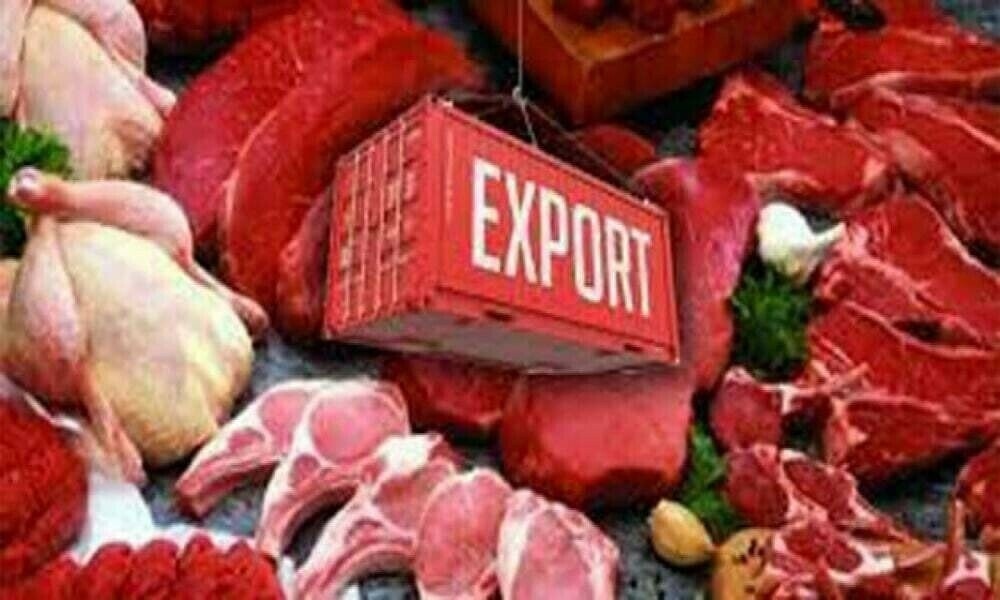
Cold chains are designed to keep temperatures stable. But in a recent meeting between exporters and officials, it was not refrigeration that seemed under strain — it was patience. Representatives of Pakistan’s meat industry arrived with a familiar complaint dressed in new urgency: a fresh layer of costs had been added to an already fragile export equation. Gerry’s Dnata, a major ground handling service provider, had introduced an additional charge of Rs50 per kilogram on meat exports, with warnings that consignments would not be processed without payment. For exporters dealing in a product where margins are thin and timing is unforgiving, the implications were immediate. Shipments could stall, contracts could fray, and buyers — particularly in the Gulf — could begin to look elsewhere.
The All Pakistan Meat Exporters and Processors Association has since approached the Ministry of Commerce, asking for intervention and questioning both the legality and the logic of the charges. Exporters argue that these costs, which translate to roughly $180 per ton, are being imposed at a moment when Pakistan can least afford friction in its export sectors. The country is attempting to expand exports to stabilise its external account. Yet, as industry representatives point out, the system continues to produce small, avoidable shocks — a new fee here, a logistical disruption there — that cumulatively erode competitiveness.
APMEPA Chairman Mian Abdul Hannan said exporters were already operating in a highly competitive global environment where even small increases in logistics costs can determine whether a product secures or loses market share.
Subscribe to Continue Reading
The rest of this article is available exclusively to subscribers.
Comments
No comments yet. Be the first to join the discussion!