IMF rejects Pakistan’s bid to control SOE chief appointments amid governance concerns
$1 billion EFF talks see pushback on CEOs appointment powers, SOEs losses rise 300% with Rs2.1 trillion support
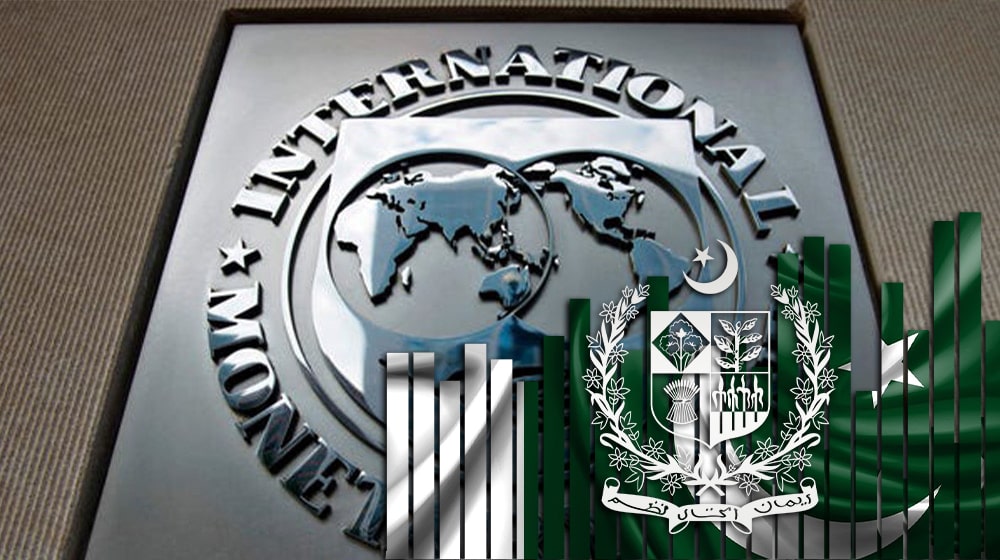
The International Monetary Fund (IMF) has declined Pakistan’s request to transfer authority for appointing heads of state-owned enterprises from their boards to the government, during discussions linked to the $1 billion Extended Fund Facility tranche, The Express Tribune reported.
Officials said the government sought amendments to the SOEs Act, 2023, particularly Section 18, to regain control over the appointment of chief executive officers. The IMF did not agree to the proposal, maintaining that boards should retain authority over leadership selection under performance-based contracts.
The request was raised during recent review talks, where negotiations remained inconclusive. Authorities had also proposed changes allowing ex-officio members of SOE boards to be appointed from outside relevant ministries, which the IMF also rejected.
Under the existing framework, boards are responsible for appointing CEOs, setting performance benchmarks and ensuring accountability. However, sources said the government aimed to reclaim these powers after some boards did not approve its preferred nominees.
This marks the second recent attempt to alter governance structures that has faced resistance. Earlier, a proposal to amend the Exim Bank law to introduce a veto role for the finance ministry in appointing the bank’s president was rejected by a parliamentary committee.
The IMF has also set a condition requiring Pakistan to amend laws governing 10 state-owned enterprises in line with the SOEs Act, with a revised deadline of August 2026.
A performance report by the finance ministry highlighted governance issues within SOEs, noting that prolonged use of interim or acting CEOs has led to operational instability, particularly in the power, infrastructure and transport sectors.
The report stated that delays in leadership appointments have affected decision-making and slowed implementation of reforms. In several cases, chairpersons are performing executive roles, while succession planning mechanisms remain absent.
It also noted gaps in board composition, including limited technical expertise and independence among directors, which has affected oversight and risk management.
Financial performance of SOEs has also weakened, with net losses increasing by 300% in the last fiscal year. The government provided Rs2.1 trillion in fiscal support during FY2024-25, mainly through equity injections to address circular debt, while subsidies showed a decline.
The IMF has emphasised the need for transparent, merit-based appointments and governance reforms as part of broader efforts to improve performance and reduce fiscal risks associated with state-owned enterprises.

Our monitoring team diligently searches the vast expanse of the web to carefully handpick and distill top-tier business and economic news stories and articles, presenting them to you in a concise and informative manner.
View all articles →Comments
No comments yet. Be the first to join the discussion!