March 25, 2026
Non-textile exports drop 16.6% to $8.25bn in July–February FY26 amid agriculture slump
Agricultural exports fall sharply, while engineering goods, gems, and sports products post modest gains

March 25, 2026
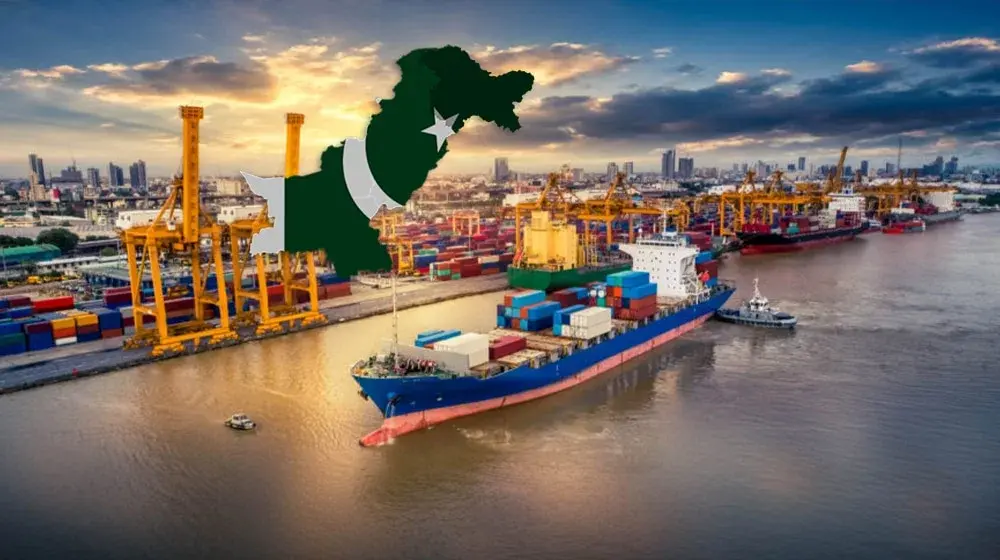
Pakistan’s non-textile exports fell 16.6% to $8.25 billion in the first eight months of FY26, down from $9.89bn in the same period last year, driven primarily by a steep contraction in agricultural shipments and value-added farm produce, according to data from the Pakistan Bureau of Statistics.
The agriculture sector recorded the sharpest decline, with export earnings plummeting 34.4% to $3.39bn from $5.17bn a year earlier, reflecting lower volumes and weakening demand in major overseas markets. Non-agricultural exports, by contrast, posted a 2.96% increase to $4.86bn, supported by gains in engineering products, cement, and select manufacturing segments.
Within the non-agriculture category, engineering goods rose 5.05%, led by shipments of industrial machinery, transport equipment, auto parts, electric fans, and rubber tyres. Cement exports saw a 10.03% increase in value, though volume slipped marginally by 0.59%.
The footwear and leather industries displayed mixed results. Overall footwear exports grew 4.23%, supported by a 29.72% jump in “other footwear” shipments, offsetting declines in canvas footwear (-50.15%) and leather footwear (-1.50%). Leather manufacturing exports were largely stable, with leather garments rising 7.51%, other leather products up 6.50%, but leather gloves and raw leather falling 6.14% and 5.92%, respectively.
In surgical instruments, a globally recognised export category for Pakistan, values remained flat with a minor contraction of 1.12%, as leading brands re-marketed products in Western markets. Traditional handicrafts faced challenges, with carpets and rugs down 11.20%, handicrafts -69.41%, molasses -75.60%, and furniture -0.30%, while gems surged 83.42%.
The sports goods industry recorded strong growth, with exports up 13.26%, driven mainly by a 19% rise in football shipments. Exports of gur products, affected by the closure of the Torkham border, declined 24.15%, highlighting vulnerabilities in trade logistics for niche commodities.
Overall, the performance underscores mounting pressure on key non-textile sectors, with agriculture bearing the brunt, while engineering, gems, and select manufactured products provide limited support to the export portfolio.
Our monitoring team diligently searches the vast expanse of the web to carefully handpick and distill top-tier business and economic news stories and articles, presenting them to you in a concise and informative manner.
View all articles →0 Comments
No comments yet. Be the first to join the discussion!