March 28, 2026
IMF approves $1.2 billion loan for Pakistan, flags Middle East risks
Fund warns conflict could pressure growth, inflation, and external balances; urges fiscal discipline and energy sector reforms

March 28, 2026
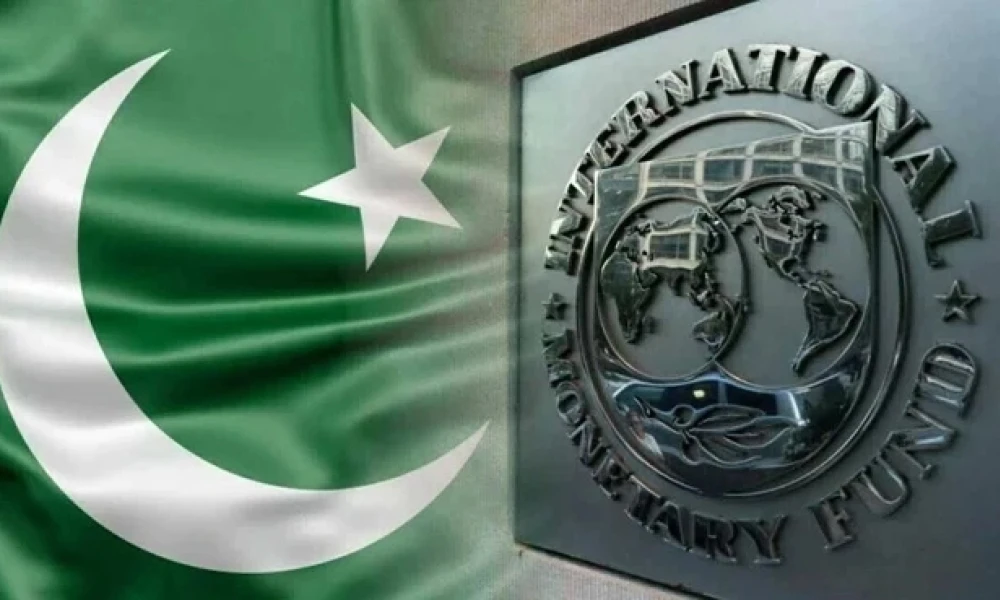
The International Monetary Fund (IMF) has reached a staff-level agreement with Pakistan for the release of approximately $1.2 billion under two loan tranches, while cautioning that the ongoing Middle East war could affect the country’s economic stability.
The deal, pending approval by the IMF Executive Board, includes $1 billion under the Extended Fund Facility (EFF) and $210 million under the Resilience and Sustainability Facility (RSF). Total disbursements under the two programs will now reach about $4.5 billion.
IMF Mission Chief Iva Petrova said the Fund’s assessment contrasts with Pakistan’s Finance Ministry, which has projected only minor impacts from the regional conflict, including a 0.3% rise in inflation, 4% economic growth, and a current account deficit within $2 billion.
“The conflict casts a cloud over the outlook,” Petrova said. “Volatile energy prices and tighter global financial conditions could push inflation higher and weigh on growth and the current account.”
The IMF stressed that Pakistan must maintain strict fiscal targets. The pre-war primary budget surplus target of 1.6% of GDP for FY26 remains, with an underlying 2% target for FY27. Authorities are expected to broaden the tax base, strengthen expenditure control, and enhance fiscal burden sharing between federal and provincial governments. Fuel subsidies, already at Rs125 billion by April 3, are included in this framework.
The Fund called on the State Bank of Pakistan to keep inflation within the 7.5% target and said interest rates should rise if price pressures intensify. Exchange rate flexibility should continue to absorb external shocks, while ensuring banks can finance imports and other external obligations.
Petrova also highlighted energy sector reforms, including timely tariff adjustments to ensure cost recovery and avoidance of new subsidies. Structural reforms, state-owned enterprise restructuring, and privatization remain key to reducing the government’s economic footprint and improving service delivery.
Revenue mobilisation efforts under the Federal Board of Revenue (FBR) are showing progress, including enhanced audits, digital invoicing, production monitoring, and governance improvements. The IMF, however, flagged internal governance weaknesses that could limit the effectiveness of these reforms.
Authorities are also expanding social protection measures to shield vulnerable households, including inflation-adjusted Benazir Income Support Programme (BISP) cash transfers and broader beneficiary coverage.
“The government remains committed to preserving macro-financial gains, advancing structural reforms, and protecting vulnerable populations amid volatile global conditions,” Petrova said.
Our monitoring team diligently searches the vast expanse of the web to carefully handpick and distill top-tier business and economic news stories and articles, presenting them to you in a concise and informative manner.
View all articles →0 Comments
No comments yet. Be the first to join the discussion!