March 28, 2026
Karachi ports see surge in transhipment amid Middle East tensions
Government facilitation and safety concerns drive container diversions; industry calls for structural reforms and real-time monitoring

March 28, 2026
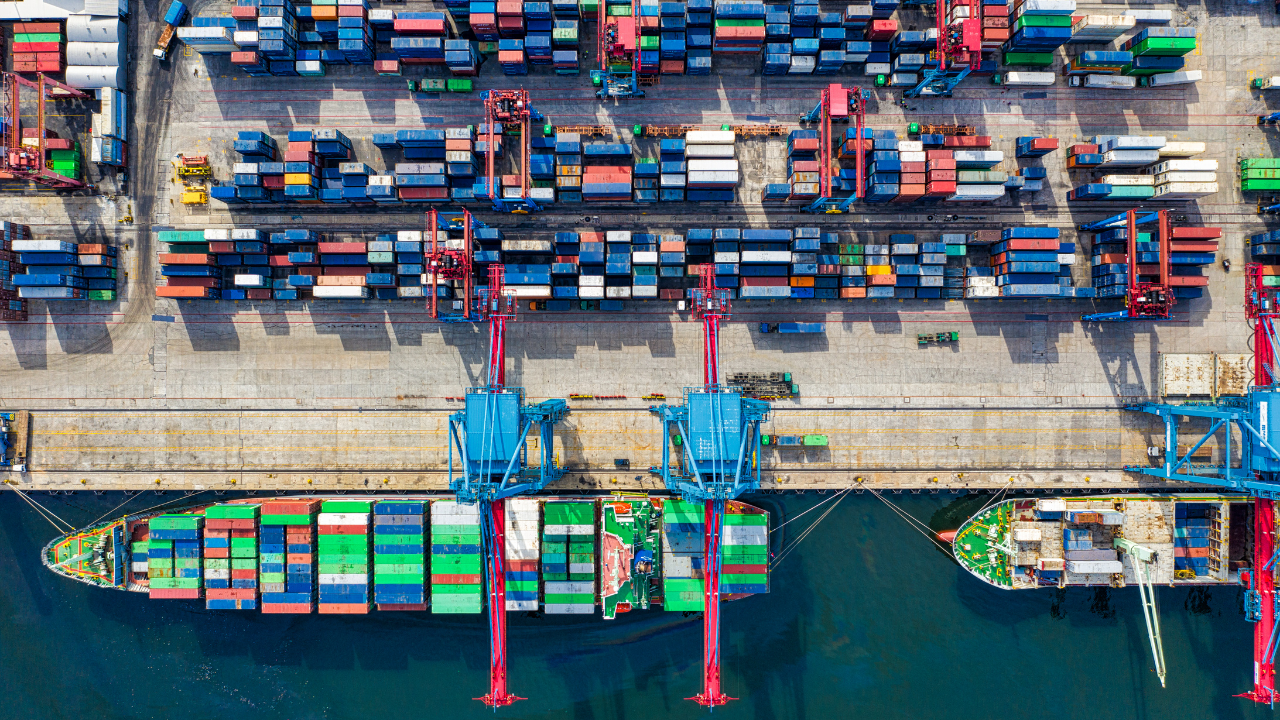
Karachi ports are experiencing a surge in container traffic as global shipping lines divert vessels to Pakistan, seeking safer routes amid heightened risks in the Strait of Hormuz due to the ongoing Middle East conflict. Long queues of container ships have begun forming, reflecting growing confidence in the country’s facilitation measures.
Official data shows that transhipment volumes at Karachi port reached 8,860 containers in the first 24 days of March, surpassing the total annual volume of 8,300 containers in 2025, highlighting an unprecedented acceleration in cargo rerouting. Industry officials said this positions Pakistan as an emerging alternative hub outside vulnerable maritime chokepoints, with both Karachi and Gwadar offering opportunities for regional trade in petroleum products and LPG.
The government has implemented multiple policy measures to support this shift, including reducing port charges, expediting the clearance of long-pending cargo, and establishing specialised sub-committees to recommend structural reforms in the maritime and logistics sectors.
Khurram Mukhtar, Patron-in-Chief of the Pakistan Textile Exporters Association (PTEA), said Pakistan is increasingly being viewed as a safe and stable destination for international trade, investment, and transhipment activity amid evolving global trade dynamics.
The PTEA has proposed the creation of a Centralised Monitoring & Response Unit under the Pakistan Single Window to track import and export flows in real time. The unit would function as a control tower, identifying bottlenecks across ports, terminals, shipping lines, and transhipment hubs, and coordinating swiftly with stakeholders to ensure uninterrupted cargo movement.
The association also called for the introduction of comprehensive service level benchmarks covering ports, terminal operators, shipping lines, and allied service providers, aligned with international best practices to reduce dwell times, enhance operational predictability, and improve Pakistan’s competitiveness in global trade. Mandatory advance manifest filing for all shipping lines was also recommended to strengthen transparency and planning efficiency.
Our monitoring team diligently searches the vast expanse of the web to carefully handpick and distill top-tier business and economic news stories and articles, presenting them to you in a concise and informative manner.
View all articles →0 Comments
No comments yet. Be the first to join the discussion!