IMF reaches staff-level agreement with Pakistan, $1.2bn loan linked to Rs322bn tax collection
Funding tied to FBR performance as Islamabad commits to fiscal targets amid Middle East tensions
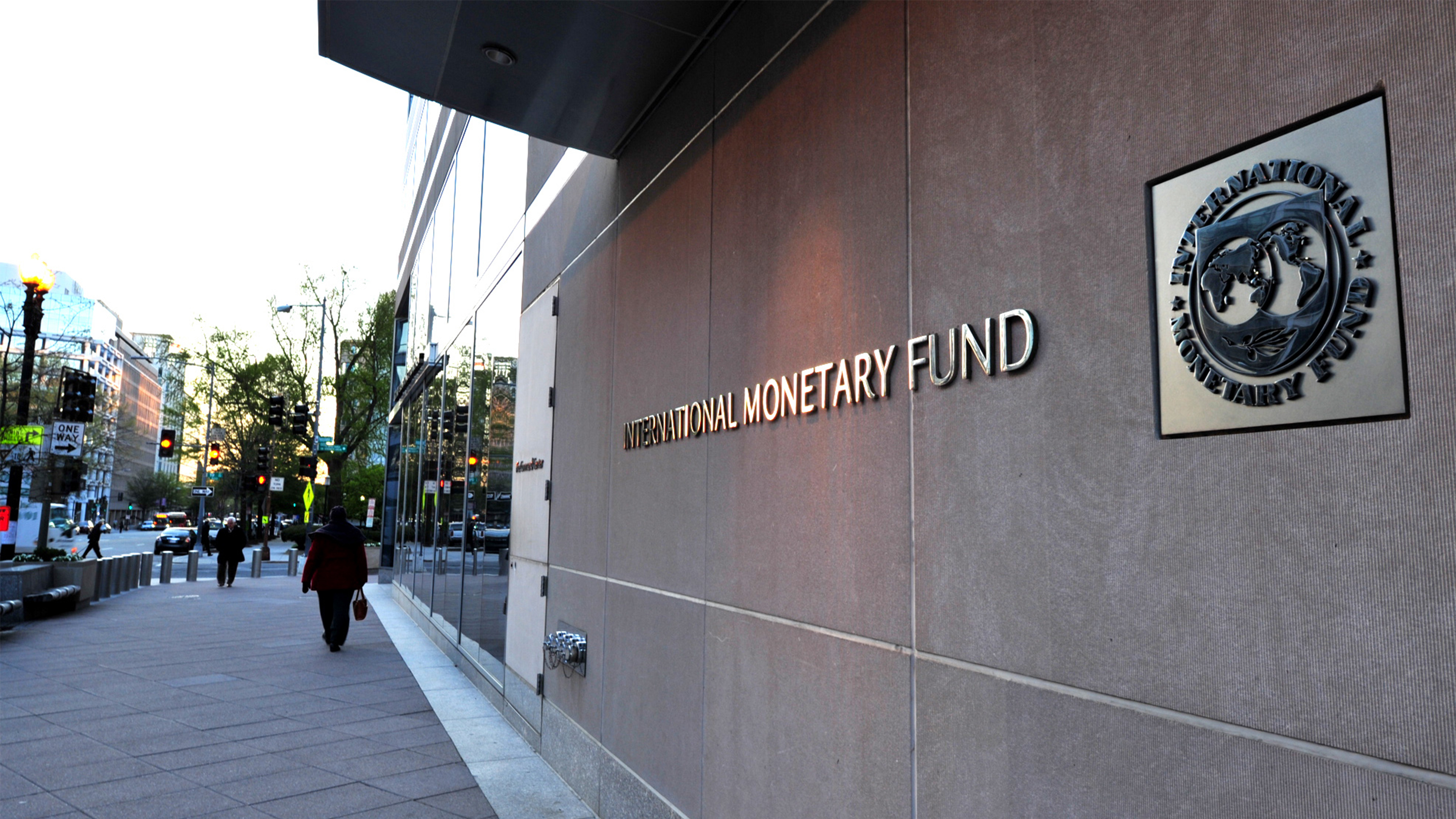
Pakistan has reached a staff-level agreement with the International Monetary Fund for a $1.2 billion loan, contingent on the Federal Board of Revenue (FBR) collecting Rs322 billion from court rulings in previously disputed tax cases, officials said on Saturday.
The IMF imposed the condition as a “prior action” after deeming the FBR’s revenue performance below expectations. The required collection includes principal taxes and late payment surcharges of up to 25 percent, mainly from super tax cases. Authorities said most of the disputed taxes have already been recovered, and the target is expected to be met before the IMF executive board convenes in early May.
Upon approval, Pakistan will receive $1 billion under the Extended Fund Facility (EFF) and $210 million under the Rapid Financing Instrument (RSF), raising total disbursements under both programmes to roughly $4.5 billion.
The FBR has missed its first eight months’ revenue target by Rs640 billion, citing weak collections in power, oil, and gas sectors. Half of the shortfall was offset by higher petroleum levy collections, provincial cash surpluses, lower-than-expected flood relief expenses, and repayments from state-owned enterprises related to power sector circular debt.
To strengthen revenue administration, Prime Minister Shehbaz Sharif has set up a task force to overhaul FBR’s legal and litigation framework. Chaired by Shad Mohammad and including senior tax lawyer Hafiz Ahsaan Ahmad Khokhar, the panel will review litigation processes from initial adjudication to appellate tribunals and superior courts. The task force will examine structural weaknesses, procedural bottlenecks, and integration issues with the Litigation Management System, recommending reforms for a more coordinated, data-driven approach.
The IMF stressed the need for continued fiscal discipline, energy sector reforms, and SOE restructuring, highlighting risks from volatile energy prices and tighter global financial conditions due to the ongoing Middle East conflict.
IMF Mission Chief Iva Petrova noted Pakistan’s commitment to maintaining fiscal and macroeconomic stability, deepening structural reforms, and strengthening social protection. The Fund reaffirmed pre-war targets, including a primary budget surplus of 1.6 percent of GDP for FY26 and 2 percent for FY27, supported by broadening the tax base and stricter expenditure discipline.
Authorities were urged to maintain inflation within the 7.5 percent target, with the central bank ready to raise interest rates if necessary, while ensuring exchange rate flexibility to absorb external shocks. Energy sector viability, avoiding costly subsidies, and accelerating privatization and anti-corruption reforms remain central to IMF recommendations.
Despite IMF concerns, Pakistan projects only marginal inflation of 0.3 percent, economic growth around 4 percent, and a current account deficit within $2 billion, even with global oil price shocks.

Our monitoring team diligently searches the vast expanse of the web to carefully handpick and distill top-tier business and economic news stories and articles, presenting them to you in a concise and informative manner.
View all articles →Comments
No comments yet. Be the first to join the discussion!