March 31, 2026
Provinces agree to share oil subsidy burden, govt shelves smart lockdown plan
Rs200 billion subsidy to be shared under NFC formula, austerity measures expanded as fuel supplies remain stable

March 31, 2026
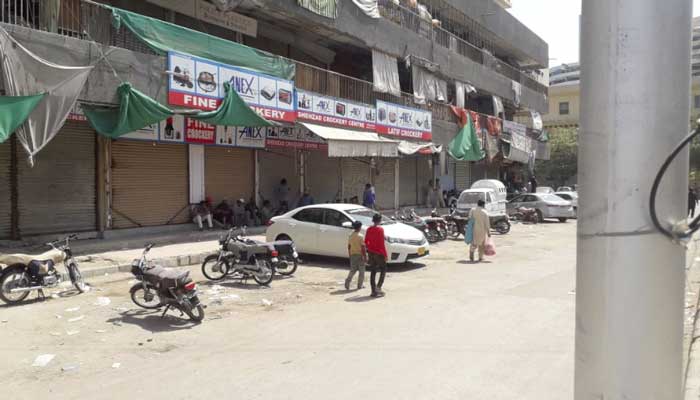
Provinces have agreed to share the financial burden of oil subsidies under the National Finance Commission framework, while the federal government decided to shelve the proposal for a nationwide smart lockdown, according to discussions held at a high-level meeting, chaired by Asif Ali Zardari and attended by Prime Minister Shehbaz Sharif, federal ministers, provincial chief ministers, and senior officials.
The meeting reviewed fuel supply conditions, economic pressures, and policy responses amid global energy market disruptions.
Participants agreed that provinces would contribute to the oil subsidy in proportion to their share under the NFC Award. Earlier, provincial governments had expressed reservations over contributing around Rs200 billion, with some suggesting that global price increases be passed on to consumers instead.
The proposal to impose a nationwide smart lockdown to reduce fuel consumption was discussed but set aside, with the option remaining under consideration for future review.
The meeting was informed that fuel supplies remain stable despite global disruptions linked to regional conflict. Authorities said sufficient stocks are available, with arrangements in place to meet future demand and avoid supply interruptions.
Officials also noted that proposals to increase petroleum prices had been rejected, with the government opting to provide relief through subsidy measures and expenditure controls. Austerity steps include reductions in development spending and the grounding of 60 percent of official vehicles.
The leadership directed that efforts continue to protect consumers from rising costs, particularly for essential goods and services. Emphasis was placed on coordinated policy action across federal and provincial governments, covering economic management, energy planning, and supply chain stability.
Measures to manage demand were also discussed, including public awareness campaigns encouraging reduced fuel consumption, greater use of public transport, and shared mobility practices.
Separately, the prime minister said the government would continue efforts to support lower- and middle-income groups through targeted relief measures and internal austerity. He stated that timely decisions had helped avoid disruptions in fuel supply despite global pressures.
The meeting also reviewed progress on fuel conservation initiatives, including coordination with provinces to accelerate vehicle registration processes and implementation of austerity measures across departments. Officials said adequate stocks of fuel and essential medicines are available, with planning underway to maintain supply stability.
0 Comments
No comments yet. Be the first to join the discussion!