April 1, 2026
Govt plans scheduled outages, higher tariffs to manage rising summer electricity demand
Power demand set to hit 28 gigawatts, tariffs may rise Rs6–8 per unit

April 1, 2026
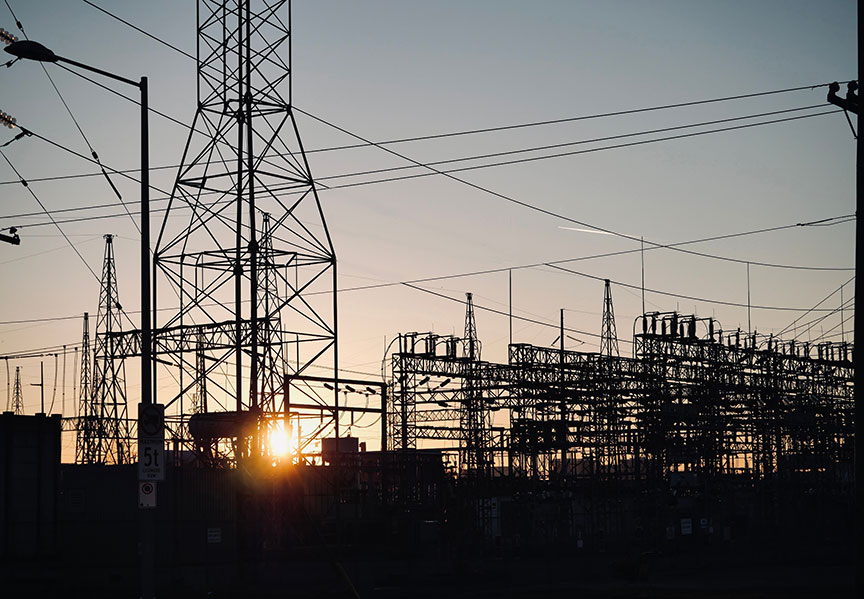
The government is finalising measures to manage rising summer electricity demand, including scheduled outages, conservation steps, and higher tariffs, as supply constraints intensify amid fuel shortages, Dawn reported.
Officials said peak electricity demand is expected to reach 27–28 gigawatts in the coming weeks, with daily power cuts and higher consumer bills likely as generation capacity comes under pressure.
The shortfall has been driven by disruption in LNG imports, reduced output from Thar coal, and reliance on higher-cost fuels such as furnace oil and imported coal. The situation has been linked to supply disruptions following the ongoing conflict in the region, which has affected fuel availability and prices.
Energy analysts said the loss of LNG-based generation could significantly impact supply. Estimates suggest a potential reduction of around 8,800 gigawatt-hours if disruptions continue through the summer, with replacement fuel costs adding Rs100–110 billion and idle capacity charges contributing further to the financial burden.
Tariffs are expected to rise by Rs6–8 per unit through fuel cost adjustments, with average residential electricity prices potentially exceeding Rs55–60 per unit. Additional pressure is expected from increased imports of fuel and fertiliser, which could raise the external financing requirement.
To address the supply gap, the government is considering increasing the use of domestic gas and local coal, alongside greater reliance on imported coal and oil. However, analysts said the latter options may not be sustainable due to high global prices and limited fiscal space.
Experts noted that domestic gas supplies remain constrained, meeting less than 70 percent of demand, and are already tied to fertiliser production. Diverting gas to power generation could affect fertiliser availability and agricultural output.
Similarly, domestic coal output faces logistical and investment challenges, including delays in infrastructure development and limited progress in securing long-term supply agreements.
Analysts said the power sector outlook remains dependent on fuel availability, global energy prices, and policy measures to balance supply and cost pressures during the peak demand period.
Our monitoring team diligently searches the vast expanse of the web to carefully handpick and distill top-tier business and economic news stories and articles, presenting them to you in a concise and informative manner.
View all articles →0 Comments
No comments yet. Be the first to join the discussion!