April 2, 2026
Pakistan moves to pass through fuel costs, seeks IMF flexibility as oil prices surge
Government signals shift from price freeze to targeted subsidies after absorbing Rs129bn burden amid conflict-driven spike in global energy markets

April 2, 2026
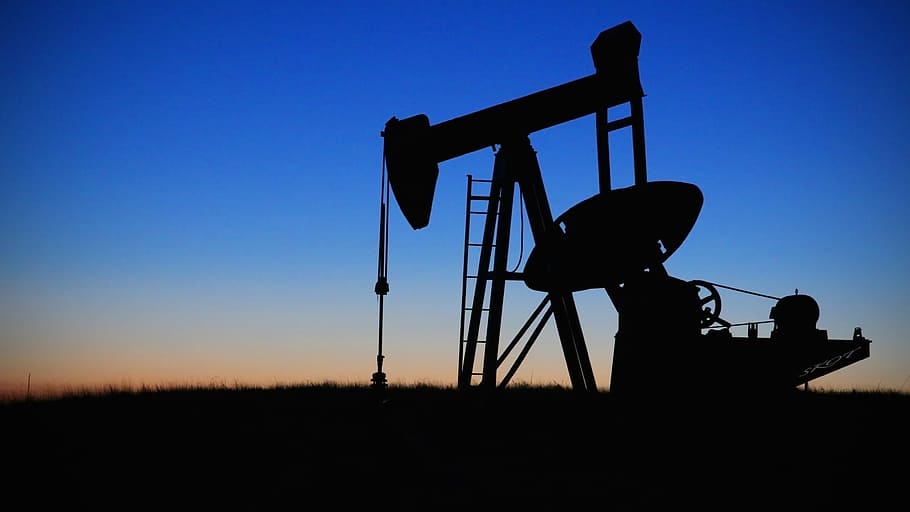
Pakistan is preparing to pass rising petroleum costs on to consumers and seek flexibility under its programme with the International Monetary Fund (IMF) as the government struggles to contain the fiscal impact of surging global oil prices following the US-Israeli conflict with Iran.
The policy direction was outlined after Finance Minister Muhammad Aurangzeb met US Chargé d’Affaires Natalie Baker ahead of the upcoming spring meetings of the IMF and the World Bank later this month.
Officials said the government had already borne an estimated Rs129 billion cost by freezing petrol and diesel prices for three consecutive weeks despite sharp increases in international markets, but mounting fiscal pressure has forced a shift toward full price transmission.
Under the revised approach, provinces have been asked to assume responsibility for subsidising vulnerable segments, including small farmers, motorcyclists and public transport operators, while retail fuel prices will increasingly reflect actual import costs.
The Ministry of Finance said Pakistan would maintain fiscal discipline but would request programme flexibility to manage emerging external risks and evolving regional uncertainties linked to the conflict-driven surge in energy prices.
Global fuel markets have experienced extreme volatility since the outbreak of hostilities. International diesel prices have jumped by more than $46 per barrel, including a rise of over 15 percent on Thursday alone, while overall diesel prices have surged by more than 220 percent and petrol prices by around 80 percent during the conflict period.
Officials warned that sustained high oil prices could significantly expand Pakistan’s import bill, fuel inflationary pressures and complicate macroeconomic stabilisation efforts.
During the meeting, the finance minister briefed the US side on measures to manage energy sector challenges, including fuel procurement, pricing mechanisms and targeted subsidy reforms. He said supply arrangements were being maintained while efforts were underway to improve subsidy targeting and pricing efficiency.
The US diplomat reaffirmed support for Pakistan’s economic reform agenda and acknowledged the government’s stabilisation efforts under challenging global conditions. She also highlighted continued US interest in promoting investment across sectors such as energy, mining, technology and logistics.
Both sides discussed opportunities to expand cooperation in trade and investment, including infrastructure development, digital connectivity and regional commerce, while reiterating commitment to strengthening bilateral economic engagement.
Our monitoring team diligently searches the vast expanse of the web to carefully handpick and distill top-tier business and economic news stories and articles, presenting them to you in a concise and informative manner.
View all articles →0 Comments
No comments yet. Be the first to join the discussion!