April 2, 2026
Returned cargo vessel at Karachi Port exposes customs, port handling gap amid regional tensions
Authorities opt to process consignments as imports, as exporters flag demurrage charges

April 2, 2026
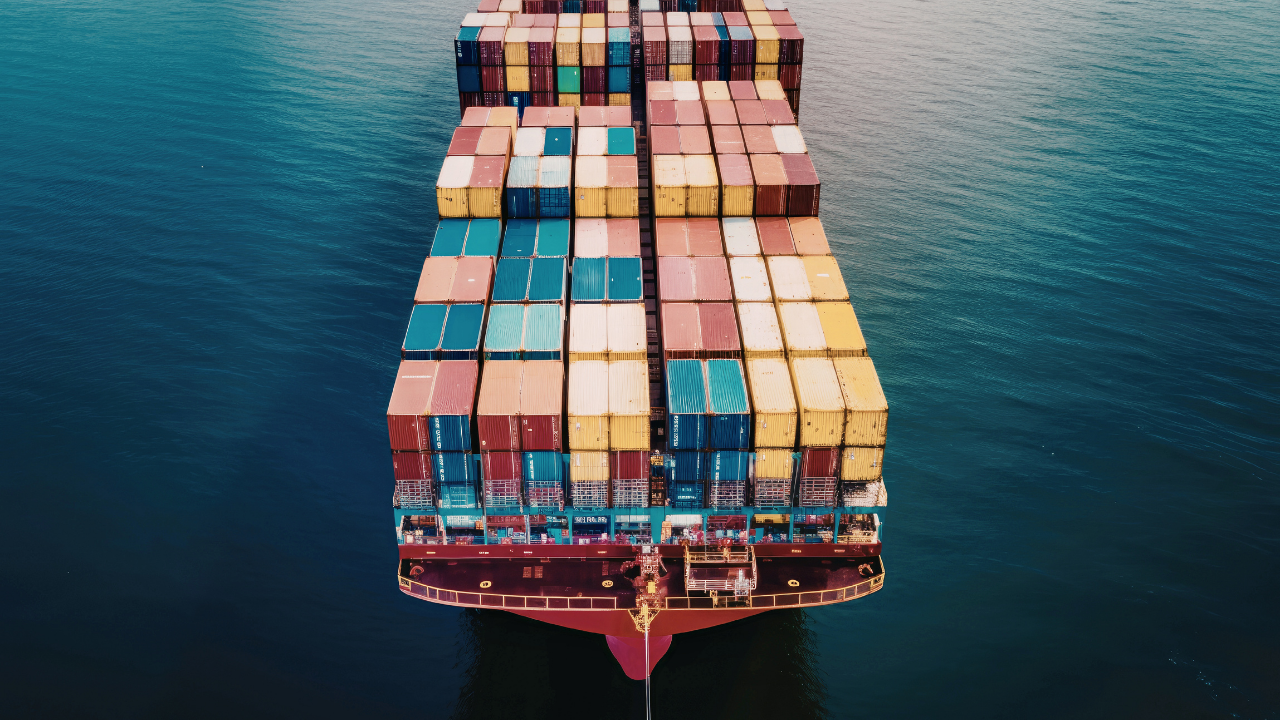
The forced return of a cargo vessel, M.V. Celsius Emmen V-022, to Karachi has exposed gaps in Pakistan’s customs and port handling systems, with no existing mechanism to process export shipments that re-enter domestic waters, Business Recorder reported.
M.V. Celsius Emmen V-022 had departed on March 2, 2026, with export and transhipment cargo bound for Middle Eastern ports but was compelled to return due to escalating regional tensions. Its arrival created a legal and operational challenge, as authorities lacked procedures to handle returned export consignments.
An emergency meeting was convened by customs officials, bringing together stakeholders including the Pakistan Single Window, port operator KGTL and customs authorities to determine a solution.
Officials reviewed two options, including reversing the “load event” in the WeBOC system, but found it technically unworkable due to procedural constraints linked to vessel documentation and cargo status.
The second option, which received consensus, was to treat the consignments as returned imports under Section 22 of the Customs Act, 1969, requiring the filing of import declarations through the WeBOC and PSW systems.
Authorities decided that the vessel would be allowed to berth after completion of required documentation, including the Vessel Intimation Report and Import General Manifest, with compliance under relevant regulatory provisions.
Exporters, however, raised concerns over financial losses linked to delays. Representatives from the business community criticised the imposition of demurrage, detention and container rent charges on consignments that had already met export requirements before the escalation in regional tensions.
They called on the Ministry of Maritime Affairs and the Federal Board of Revenue to direct port operators and shipping lines to waive such charges for affected shipments and consider compensation measures where necessary.
Separately, shipping lines agreed with traders to ensure pricing transparency, limit cargo diversions and apply war-risk surcharges in a consistent manner following discussions with a government-constituted committee.
Our monitoring team diligently searches the vast expanse of the web to carefully handpick and distill top-tier business and economic news stories and articles, presenting them to you in a concise and informative manner.
View all articles →0 Comments
No comments yet. Be the first to join the discussion!