KP, Balochistan enforce early market closures, Sindh freezes fares with Rs4 billion subsidy
Provinces adopt mixed response as energy curbs imposed in KP, Balochistan while Sindh offsets fuel impact through transport subsidies

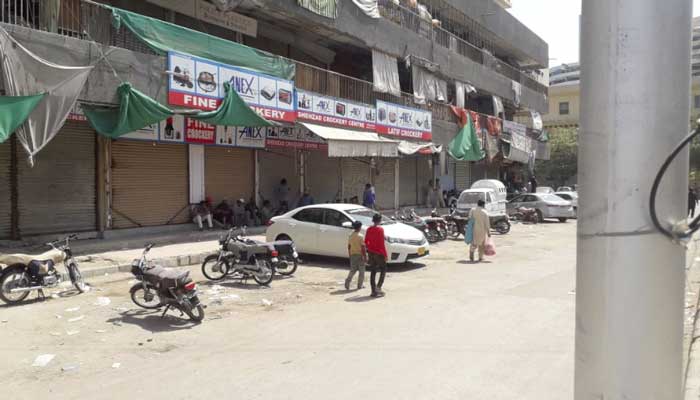
Khyber Pakhtunkhwa and Balochistan have ordered markets to close by 8–9 pm and restaurants by 10 pm to cut electricity use, while Sindh has frozen public transport fares at February 28 levels with a Rs3–4 billion subsidy covering over 11,000 buses.
In Khyber Pakhtunkhwa, markets in divisional headquarters will shut at 9pm, while those in other districts will close at 8pm under a notification issued on Sunday. Restaurants, cafes and hotels have been directed to close at 10pm, with takeaway and delivery services permitted.
The restrictions extend to commercial activities including private offices, banks, academies, shops and gyms, while hospitals, laboratories, agriculture and construction sectors have been exempted. Medical stores will remain open throughout the day but will be limited to the sale of medicines.
Authorities have also imposed limits on electricity usage, banning decorative and flood lighting at buildings and plazas. Billboards and LED screens must remain switched off, while the use of air conditioners, lifts, escalators and generators for non-essential purposes after business hours has been restricted.
Industries will be allowed to continue operations but must avoid unnecessary lighting. Tandoors, petrol pumps and public transport services have been granted partial exemptions.
Deputy commissioners have been tasked with enforcing the measures through inspections, with legal action to be taken against violations. The restrictions will take effect from April 6.
In Balochistan, similar measures have been introduced, requiring markets and shopping centres to close by 8pm, while restaurants and wedding halls must shut by 10 pm. Essential services including pharmacies, bakeries and tandoors have been exempted from the restrictions.
Officials said the directives were issued following a provincial-level meeting to manage electricity demand and rising costs. District administrations and law enforcement agencies have been instructed to ensure compliance, with penalties for violations.
Trader groups in Balochistan have opposed the decision, rejecting early closures and warning of protests. Representatives said the restrictions would impact businesses already facing inflation, unemployment and reduced trade, and proposed extending market hours to 10pm and allowing restaurants and wedding halls to operate until midnight.
In contrast, Sindh has adopted a subsidy-based approach to manage the impact of rising fuel prices by freezing public transport fares across the province. The decision was taken after consultations with transporters operating inter-city and intra-city routes.
Fares will remain unchanged at February 28, 2026 levels despite higher operating costs. The provincial government will compensate transporters through financial support linked to route permits to sustain services.
Officials estimate that maintaining fares will cost between Rs3 billion and Rs4 billion, covering more than 11,000 buses operating across Sindh. The subsidy programme also includes support for goods transport vehicles and school vans to prevent increases in transport charges and essential commodity prices.
Sindh has committed approximately Rs14 billion to the broader subsidy framework while introducing additional targeted relief measures for transporters, farmers and consumers.
Officials said the provincial measures reflect efforts to manage electricity consumption and limit the impact of fuel price increases through a combination of demand controls and targeted subsidies.
Comments
No comments yet. Be the first to join the discussion!