Power shortfall hits 2,500MW as nationwide loadshedding resumes on lower hydropower, RLNG supply
RLNG supply drops to 80mmcfd compared to 350mmcfd demand; Lahore faces 500–700MW gap with outages up to 6 hours
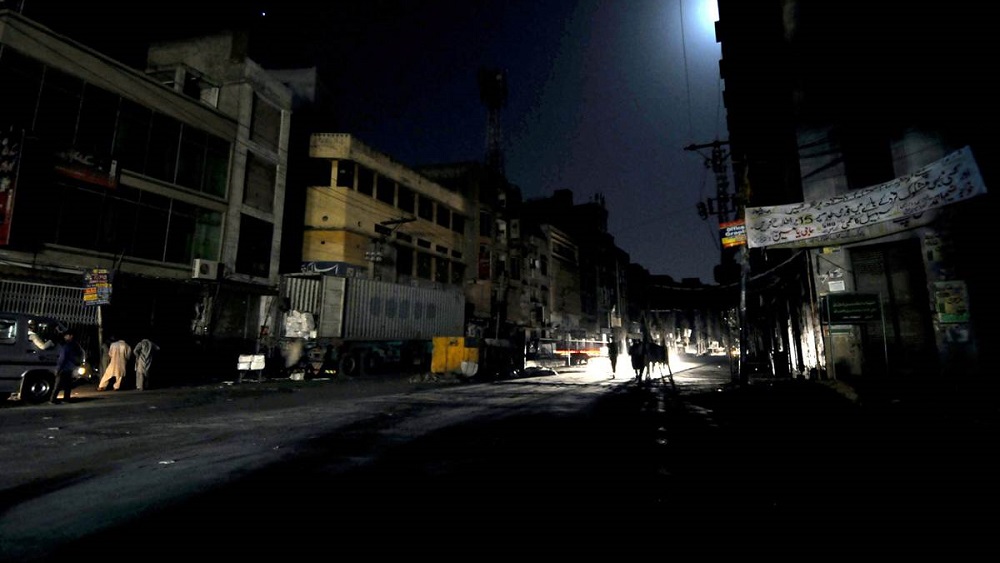
The federal government has initiated loadshedding of up to three hours to manage power generation shortfalls caused by reduced hydropower output and limited gas supply, while aiming to contain electricity costs. The overall system shortfall is estimated at 2,000–2,500MW, driven by lower water releases from reservoirs and reduced generation from RLNG-based plants, according to officials.
Authorities said there is no installed capacity shortage, but load management, averaging around 2.25 hours, mainly during night hours, is being implemented to reduce reliance on furnace oil and limit the fuel cost adjustment (FCA).
The situation is being monitored by a high-level committee led by Finance Minister Muhammad Aurangzeb, which has been briefed on the developments.
Hydropower generation has declined due to lower water releases. Data from WAPDA showed inflows at Tarbela at 20,200 cusecs and outflows at 8,000 cusecs, while Mangla recorded inflows of 29,100 cusecs and outflows of 8,000 cusecs.
At Tarbela, water levels stood at 1,465.62 feet against a minimum operating level of 1,402 feet, with live storage of 1.526 million acre-feet. Mangla’s level was recorded at 1,156.90 feet, with live storage of 1.989 million acre-feet.
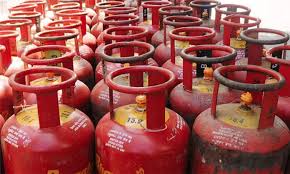
Gas shortages have further constrained generation. RLNG supply has dropped to around 80mmcfd against a requirement of nearly 350mmcfd, limiting output from key power plants.
Earlier, the power sector required around 300mmcfd of RLNG, but allocations from Sui Northern Gas Pipelines Limited were about 130mmcfd and were being supplied to only one plant.
Around 3,600MW of RLNG-based power plants near load centres are currently operating on reduced indigenous gas supply, affecting efficiency and output.
Pakistan operates three major RLNG-based plants: the 1,180MW Bhikki plant in Sheikhupura, the 1,230MW Haveli Bahadur Shah plant in Jhang, and the 1,223MW Balloki plant in Kasur.
The cost of alternative fuel has increased, with furnace oil prices rising from around Rs200,000 per ton in February to nearly Rs400,000 per ton, raising generation costs.
Consumers are expected to face a positive FCA of over Rs2 per unit for March due to higher reliance on furnace oil and reduced RLNG-based generation.
Lahore faces outages amid supply-demand gap
Electricity loadshedding has resumed in Lahore due to a shortfall of 500–700MW, with demand ranging between 2,500–2,700MW against supply of around 2,200MW.
Officials from Lahore Electric Supply Company (Lesco) said system load has been reduced to 1,800–2,000MW through outages to manage the gap, resulting in unscheduled power cuts.
Urban areas are facing around two hours of loadshedding, while rural areas are experiencing outages ranging from four to six hours.
The shortfall is linked to reduced RLNG-based generation and changing demand patterns due to increased use of solar power, which lowers daytime demand but raises reliance on the grid at night.
Lesco officials said fluctuating demand and limited supply have made load management more challenging, contributing to continued outages across the city.

Our monitoring team diligently searches the vast expanse of the web to carefully handpick and distill top-tier business and economic news stories and articles, presenting them to you in a concise and informative manner.
View all articles →Comments
No comments yet. Be the first to join the discussion!