April 16, 2026
Pakistan launches Global Medium-Term Note programme, plans capital market return, Panda Bond issuance in May
Finance minister briefs investors on IMF review, financing plans; signals Pakistan’s plan to return to international capital markets after a gap of around four years

April 16, 2026
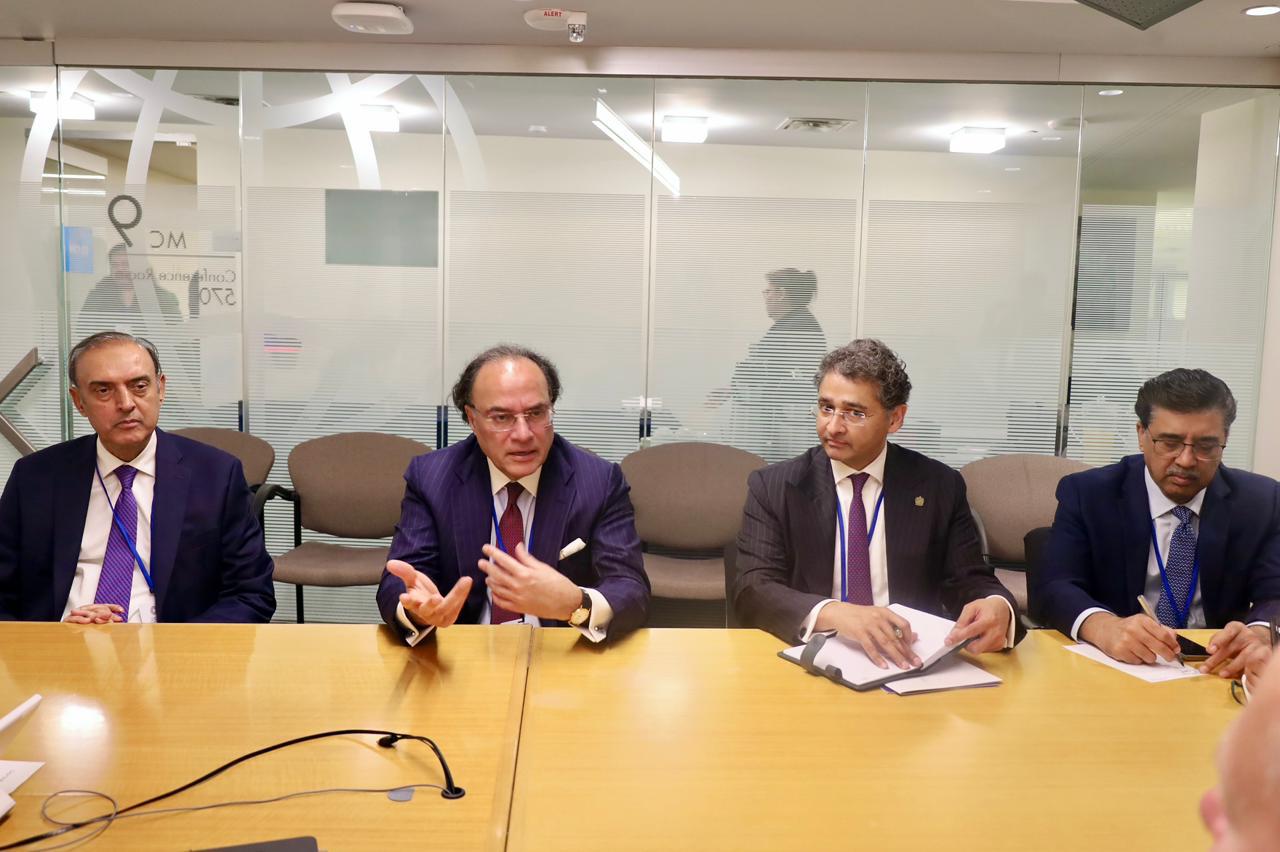
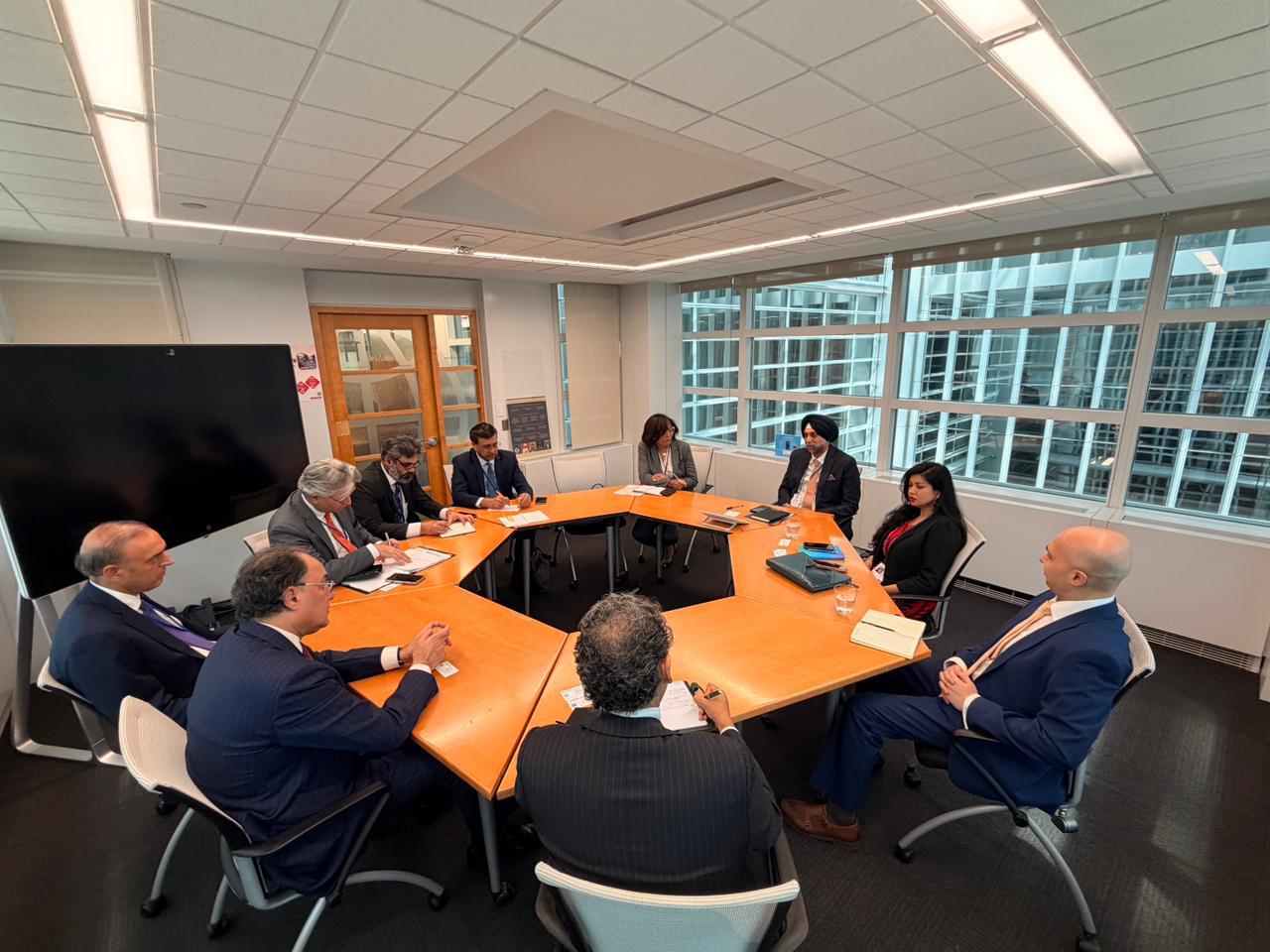
Federal Minister for Finance and Revenue Senator Muhammad Aurangzeb briefed global investors and financial institutions on Pakistan’s financing strategy, confirming the launch of the Global Medium-Term Note (GMTN) programme and plans to re-enter international capital markets.
Addressing the Citi Macro Forum attended by institutional investors on the sidelines of the World Bank–IMF Spring Meetings in Washington, D.C., the minister said a Staff-Level Agreement had been reached for the third review under the Extended Fund Facility (EFF) and the second review under the Resilience and Sustainability Facility (RSF), with approval by the International Monetary Fund (IMF) Executive Board expected in early May.
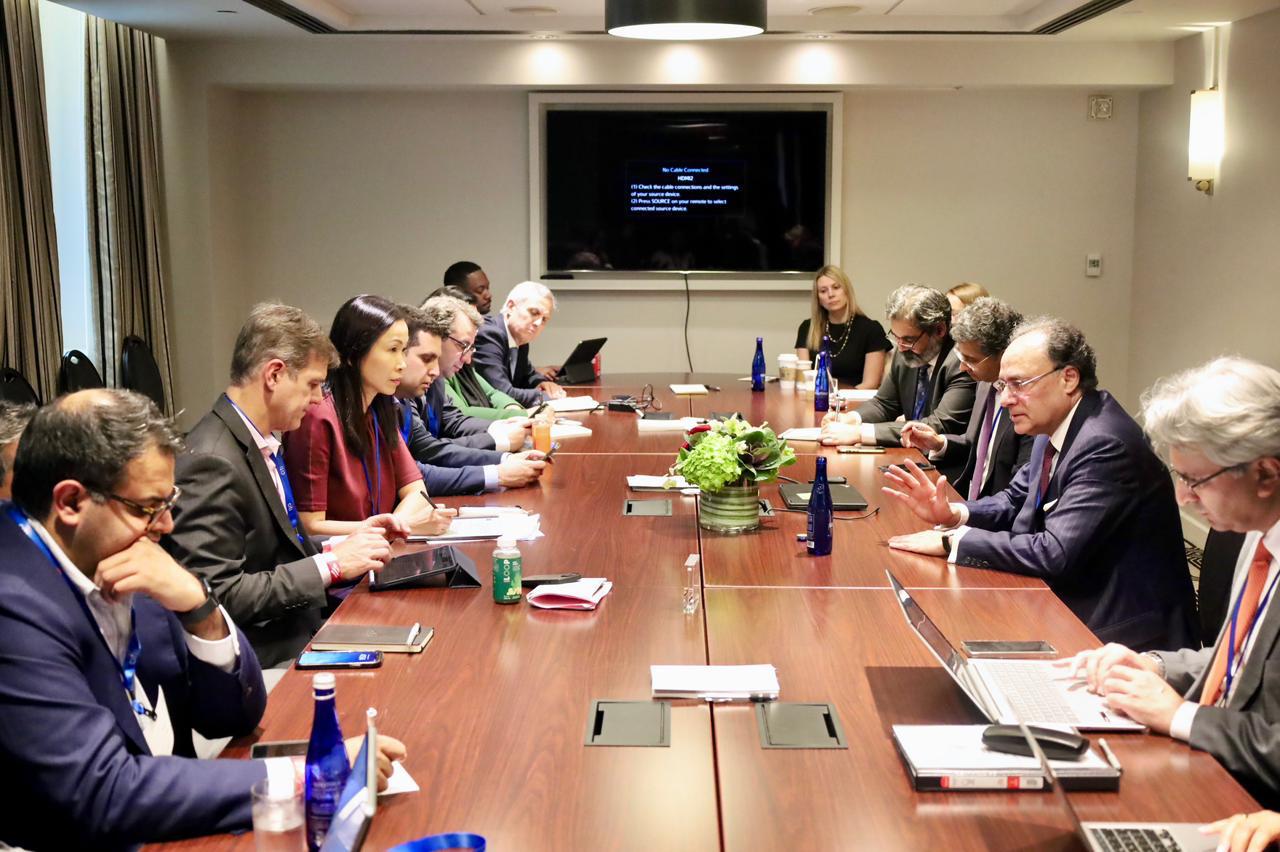
He confirmed that requests for proposals for lead managers under the GMTN programme are being issued across three segments, including eurobonds, Islamic sukuk, and a dollar-settled, rupee-linked bond.
The minister said Pakistan is targeting its inaugural Panda Bond issuance in May following the signing of counter-indemnity agreements with the Asian Development Bank (ADB) and the Asian Infrastructure Investment Bank (AIIB).
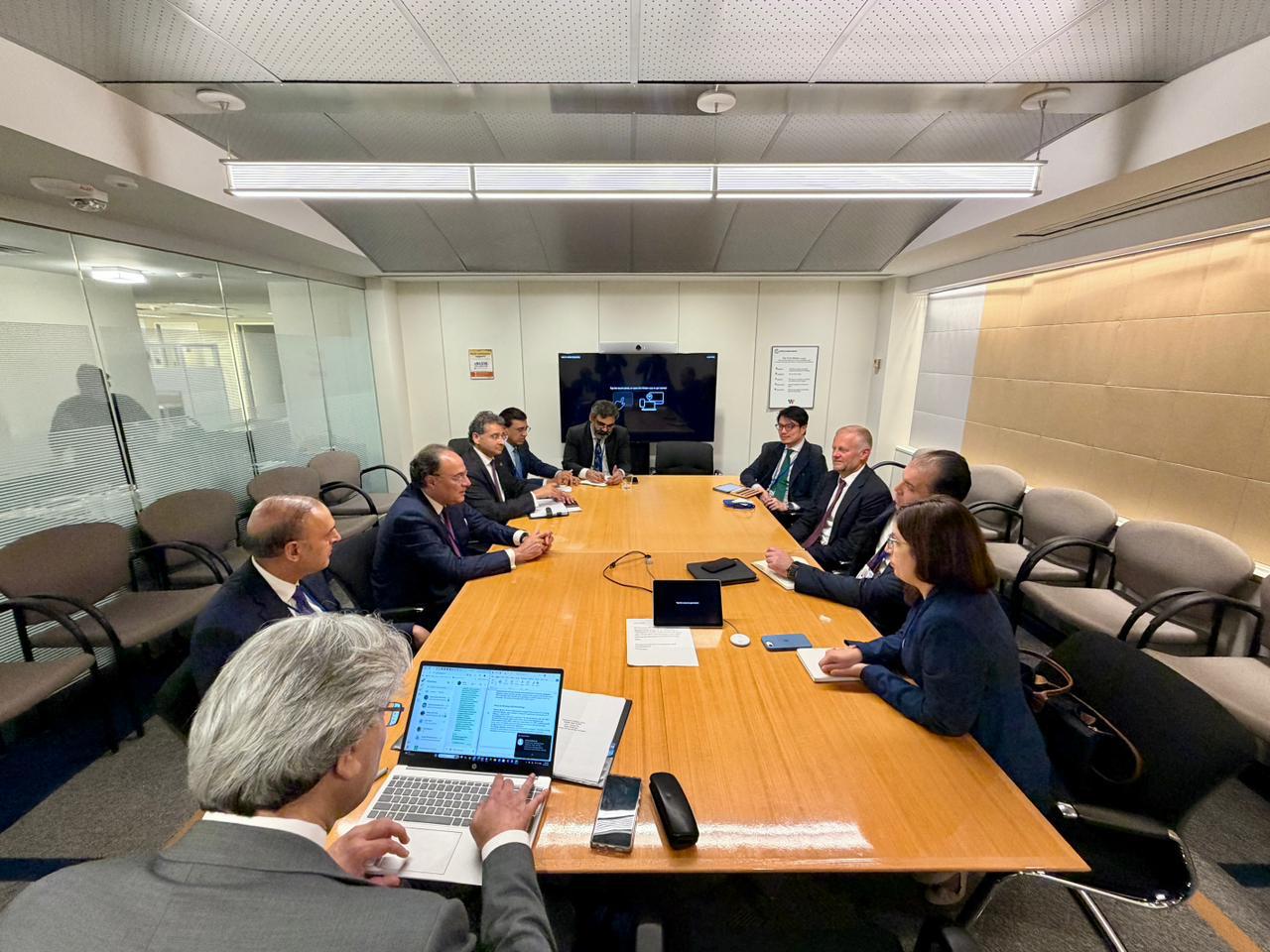
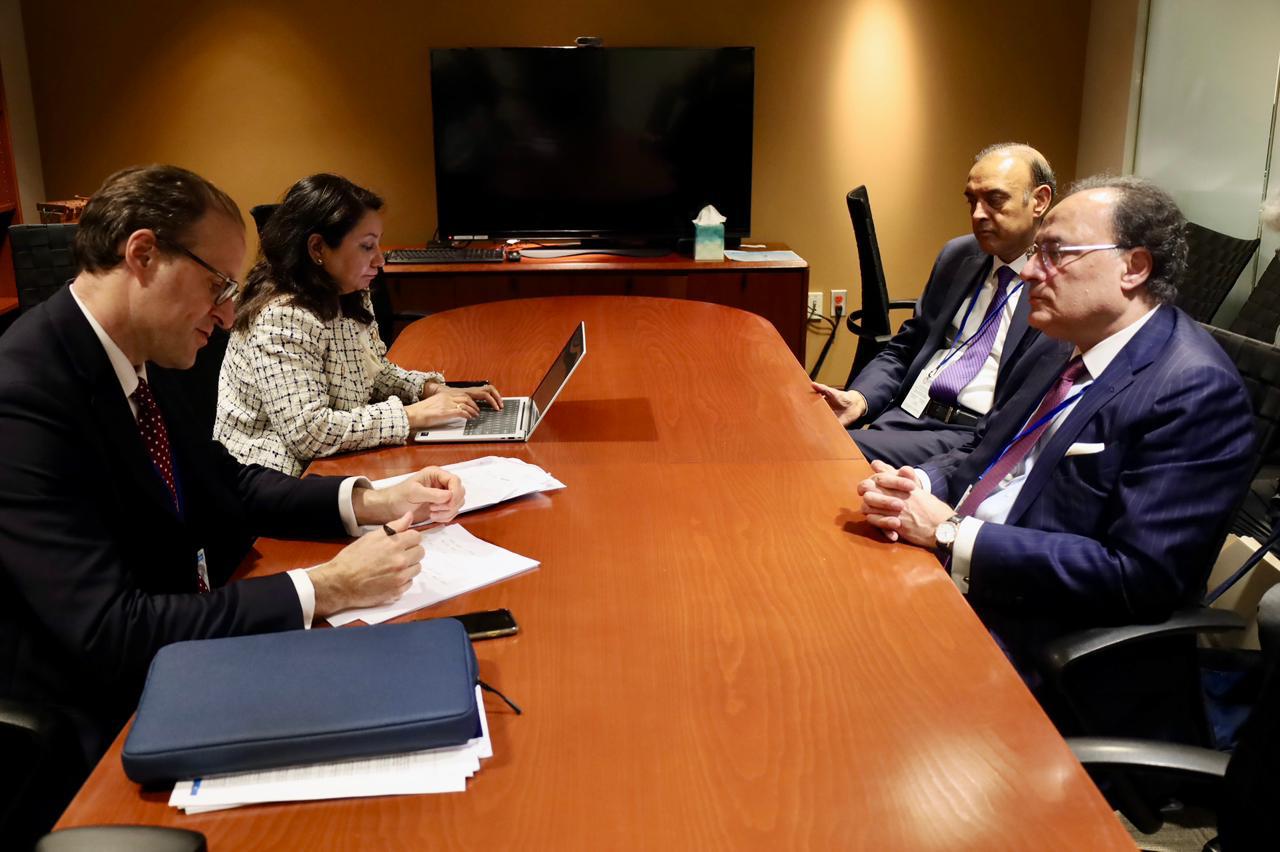
On the sidelines of the meetings, the minister also held discussions with representatives of JPMorgan Chase, where he signalled Pakistan’s plan to return to international capital markets after a gap of around four years.
He apprised the JP Morgan team of developments under the GMTN programme and ongoing preparations for issuance of rupee-linked, dollar-denominated instruments.
 During both engagements, the minister expressed appreciation for financial support extended by the Kingdom of Saudi Arabia.
Referring to global developments, he described the Middle East crisis as a major supply shock and outlined the government’s response, including measures to address immediate impacts and coordination with the State Bank of Pakistan on broader economic effects.
He highlighted the need to build strategic petroleum reserves and accelerate the shift towards renewable energy.
The minister also pointed to increased transit volumes at Karachi Port and potential progress in developing Gwadar as a trade corridor.
He said the financing proposals and market options discussed with investors and institutions would be reviewed as Pakistan moves to diversify its funding sources and strengthen its position in global capital markets.
0 Comments
No comments yet. Be the first to join the discussion!