April 16, 2026
Power shortfall hits 6,500MW as LNG disruptions trigger nationwide load-shedding
Minister apologises for outages, says crisis linked to Middle East tensions and reduced hydropower, promises relief once supplies resume

April 16, 2026
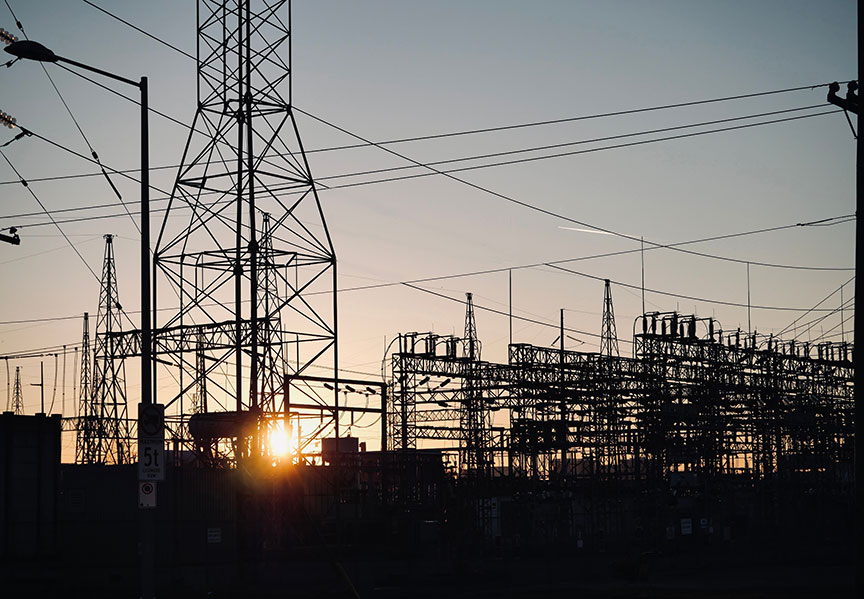
Pakistan is grappling with an intensifying electricity crisis, with the national power deficit swelling to 6,500 megawatts (MW) amid disruptions in liquefied natural gas (LNG) supplies and seasonal constraints on hydropower generation, according to Power Minister Awais Leghari.
Current electricity demand has surged to approximately 22,000MW, while total generation remains limited to around 15,400MW, resulting in prolonged outages and load-shedding across multiple regions and growing public frustration.
The existing energy mix includes 9,250MW from thermal sources, 2,850MW from nuclear power, 1,500MW from hydropower, 1,200MW from wind, 400MW from solar, and 200MW from bagasse, reflecting heavy reliance on imported fuel-based generation.
Addressing a press conference, the minister attributed the shortfall primarily to a suspension of LNG supplies from overseas markets. He said gas shipments stopped after April 1 when supplier countries invoked force majeure amid escalating tensions in the Middle East.
According to the minister, LNG-related constraints alone created a 2,500MW generation gap, as gas-fired plants were unable to operate at required capacity due to fuel shortages. He added that reduced water availability for electricity generation further compounded the crisis, causing an additional 1,530MW shortfall in hydropower output.
The minister explained that geopolitical tensions between Iran and the United States, along with instability in the Strait of Hormuz, disrupted regional energy supply chains, while Qatar formally declared force majeure on LNG deliveries.
He noted that electricity demand has risen by 3.8% this year, partly due to lower power tariffs and the gradual transition of captive power plants into the national grid under ongoing sector reforms.
Providing operational context, the minister said minimum national demand in April has remained around 9,000MW, while peak consumption over the past two weeks has reached as high as 20,000MW on several days. He emphasised that load-shedding has largely been concentrated during evening and nighttime peak hours, when demand exceeds available generation capacity.
He further clarified that once demand crosses roughly 16,500MW, gas-based power plants become essential to maintain supply stability. In the absence of LNG, the system faces an unavoidable supply gap, even after fully utilising available generation sources such as coal, nuclear, hydropower and solar.
The minister apologised to the public for the disruption, acknowledging the hardship caused by extended outages. He said furnace oil-based plants are currently operating at full capacity, but authorities were compelled to extend load-shedding to industrial consumers in recent days to reduce pressure on residential users.
Despite the severity of the situation, the minister described the crisis as temporary, expressing confidence that power supply conditions would stabilise once LNG shipments resume and hydropower generation improves with seasonal inflows.
Our monitoring team diligently searches the vast expanse of the web to carefully handpick and distill top-tier business and economic news stories and articles, presenting them to you in a concise and informative manner.
View all articles →0 Comments
No comments yet. Be the first to join the discussion!